
Last updated October 16, 2026
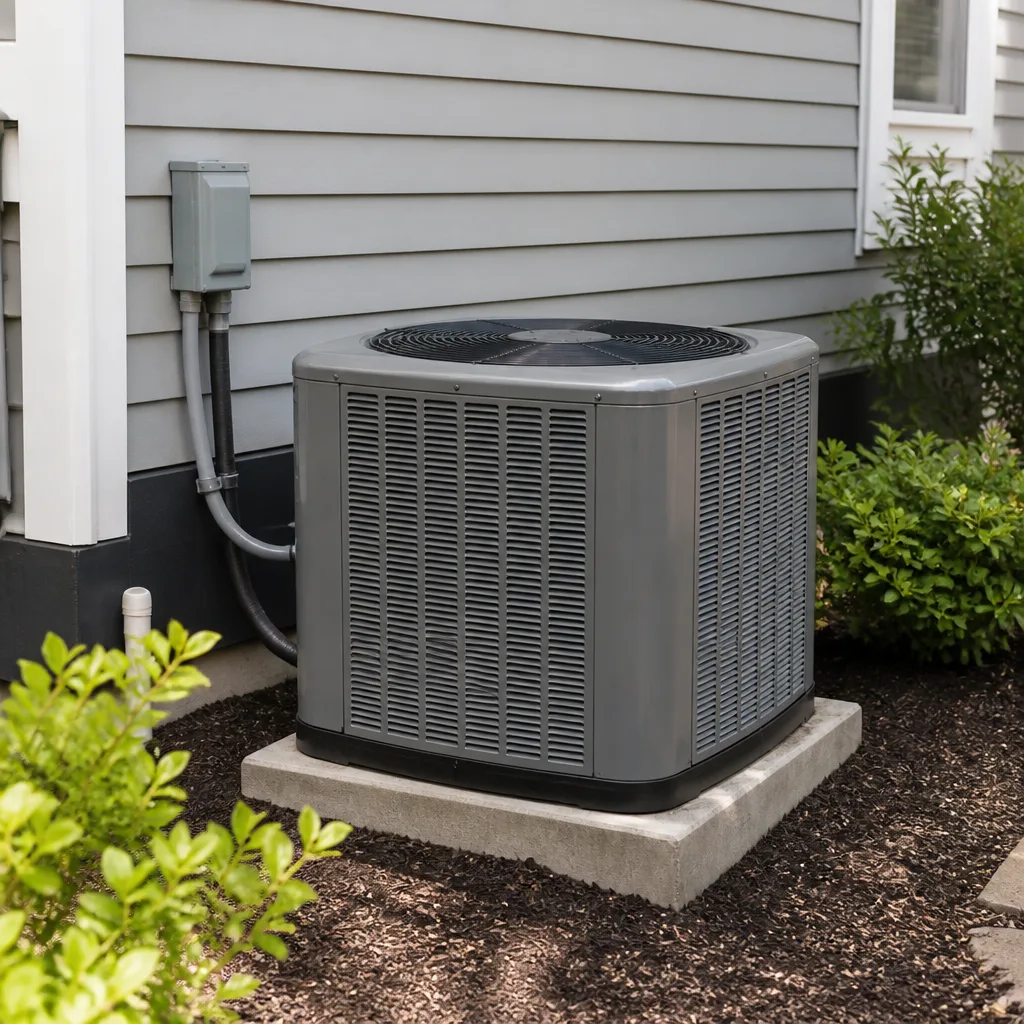 AC repair
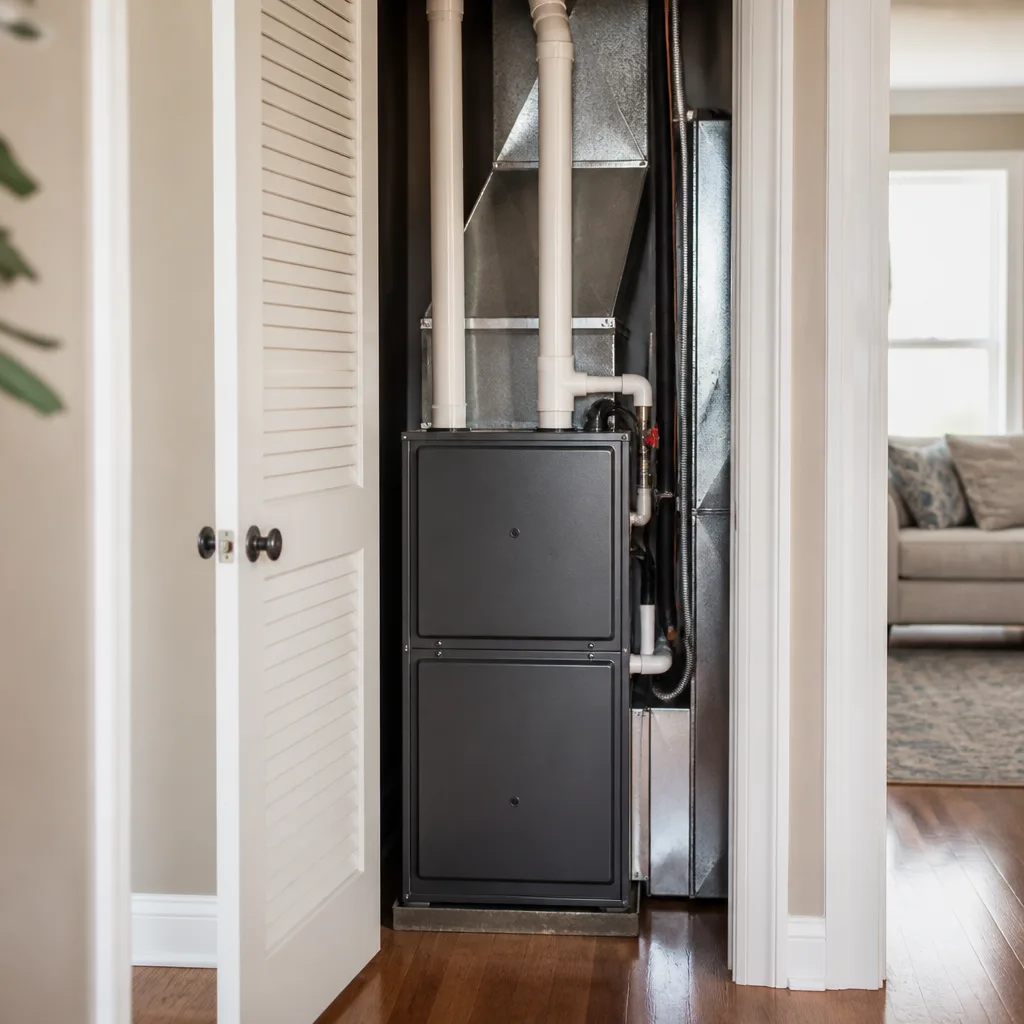 Furnace & heating
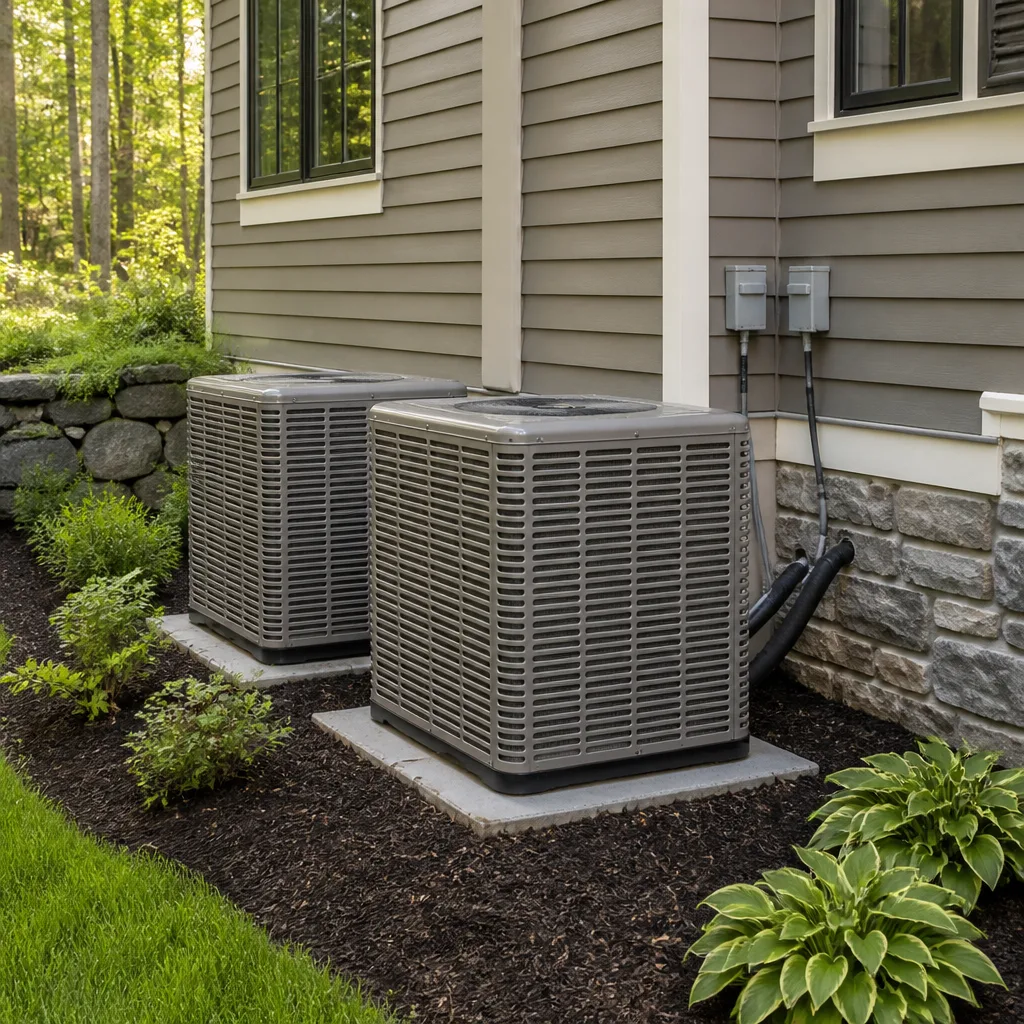 Heat pumps
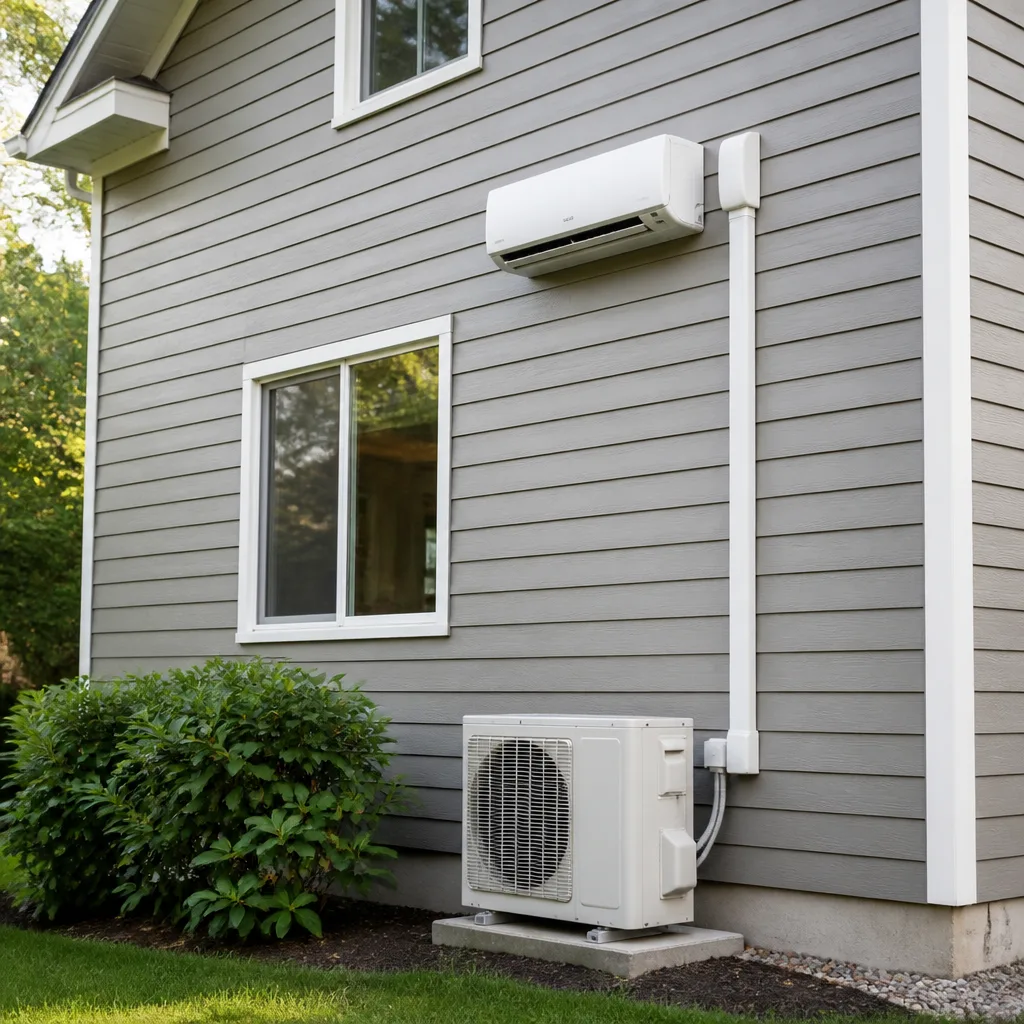 Ductless mini splits
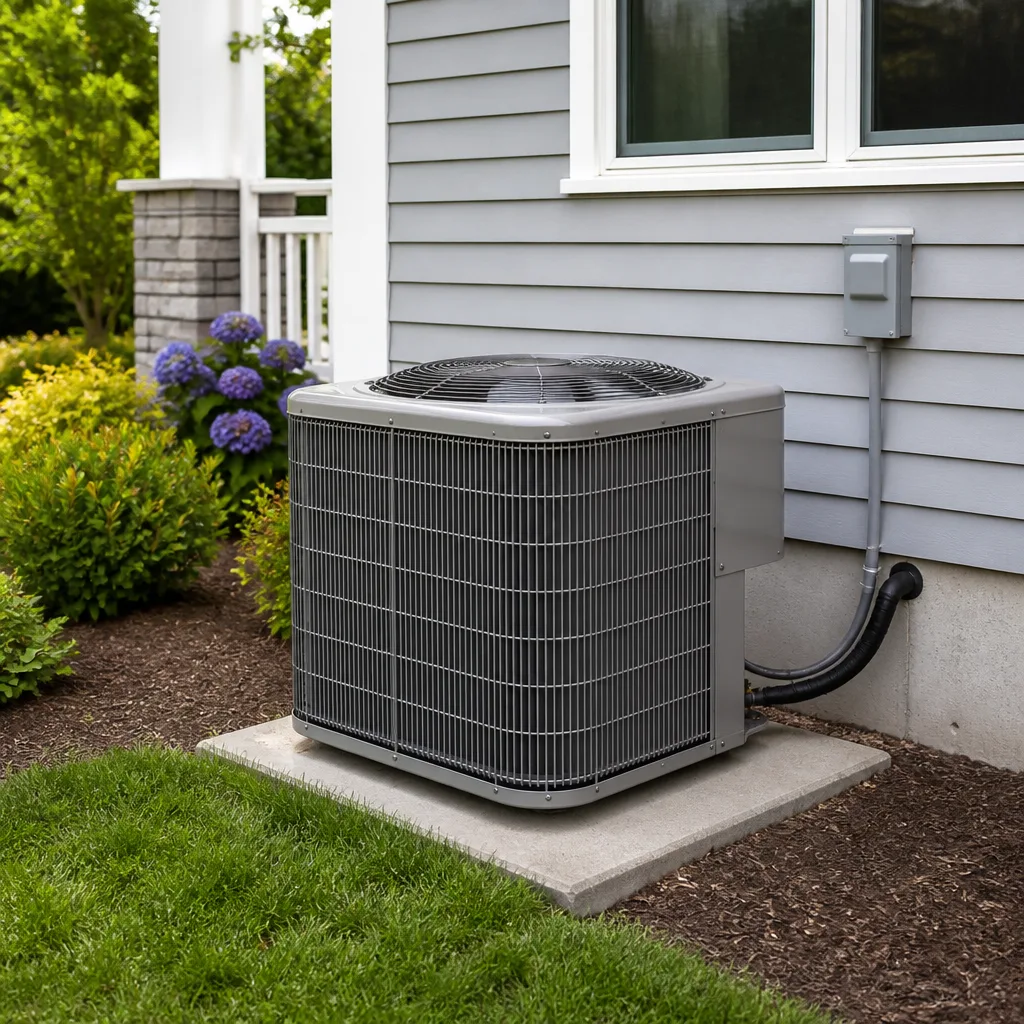 Carrier
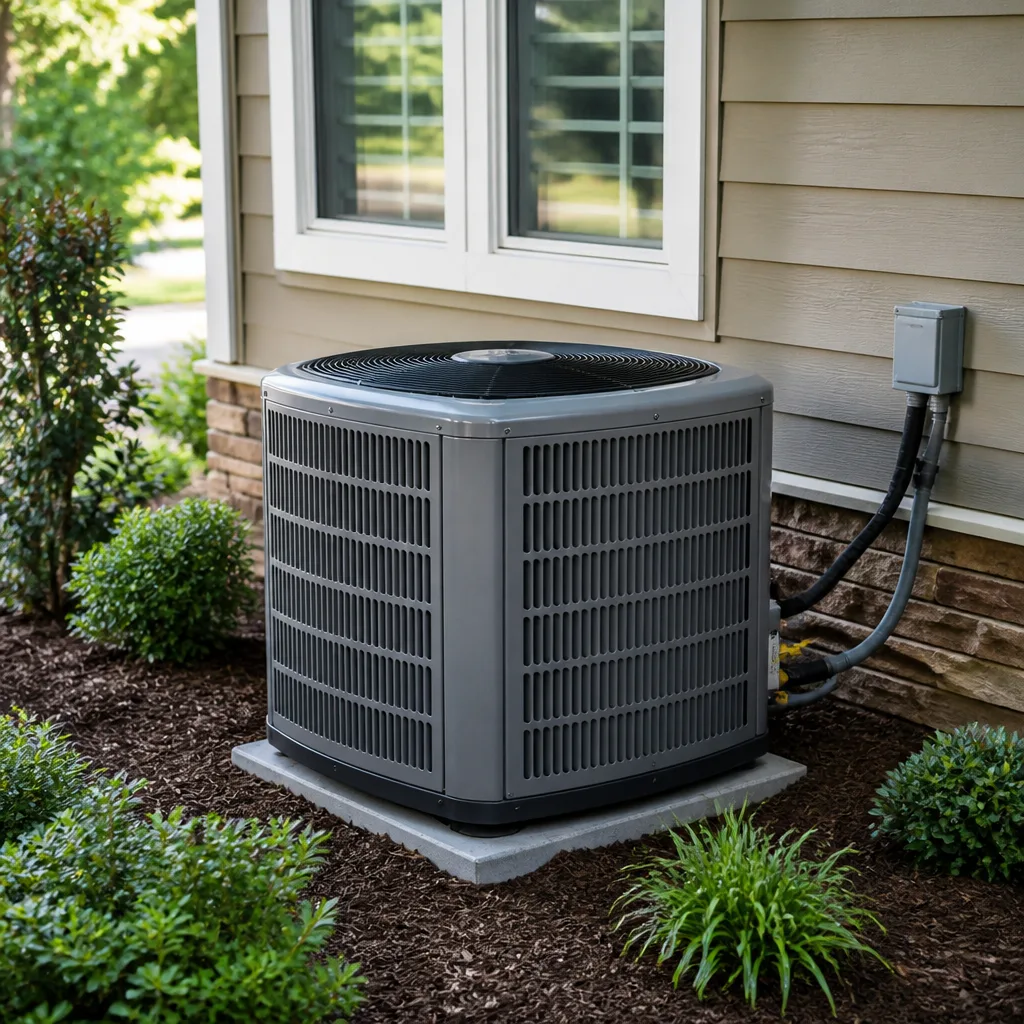 Trane
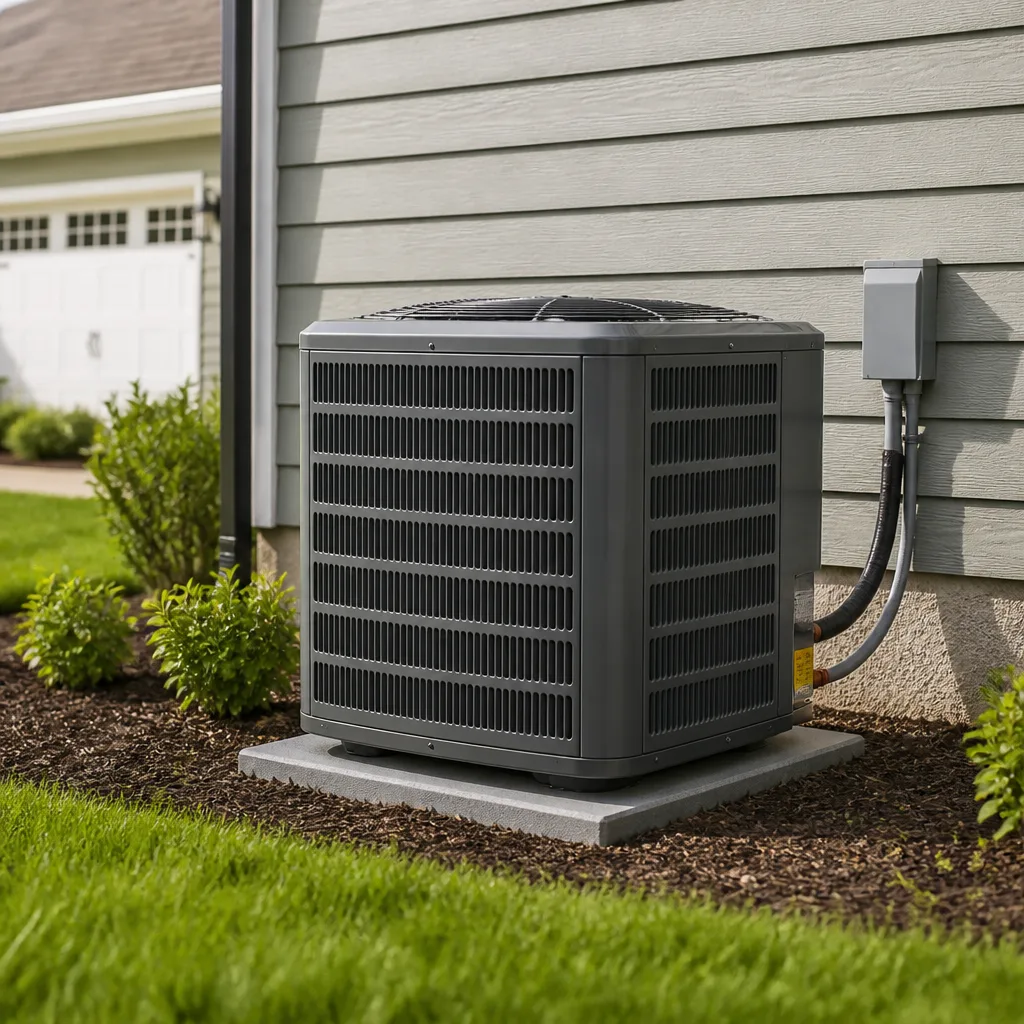 Goodman
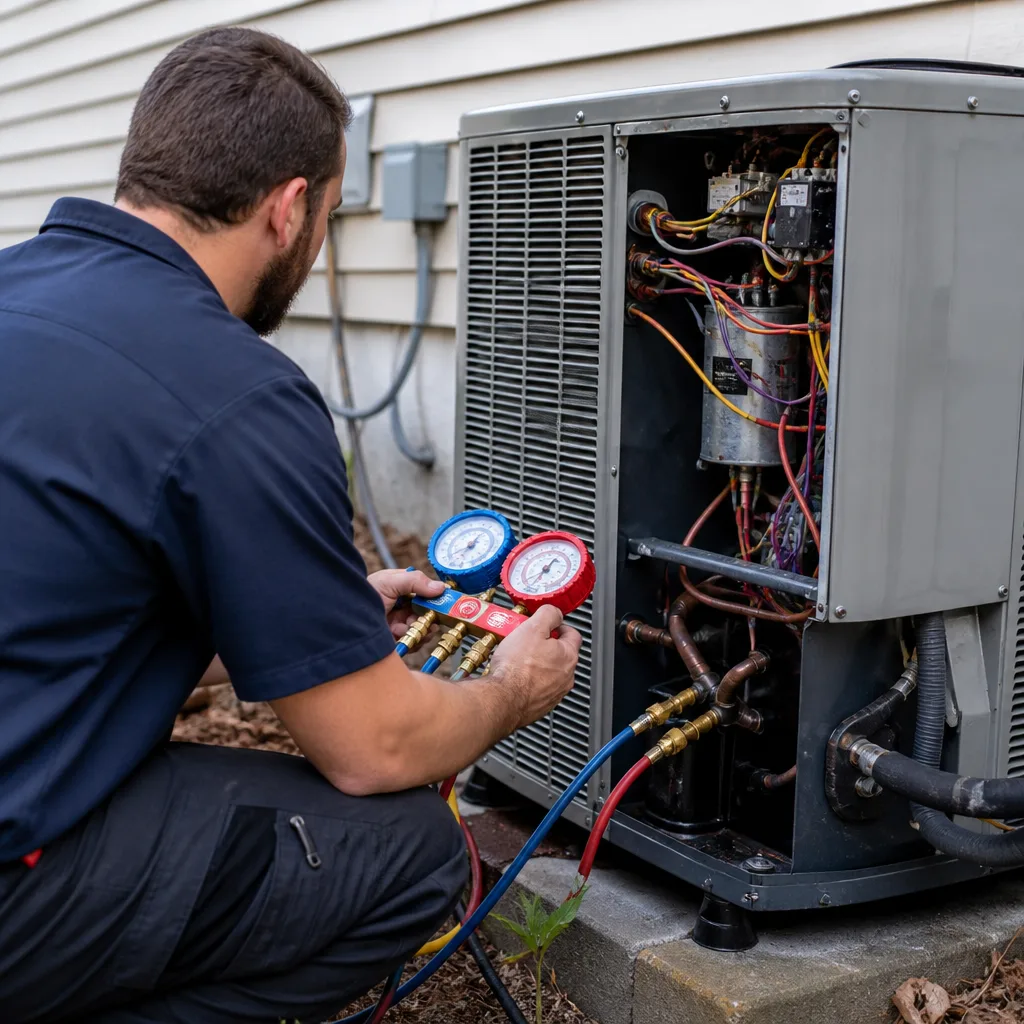
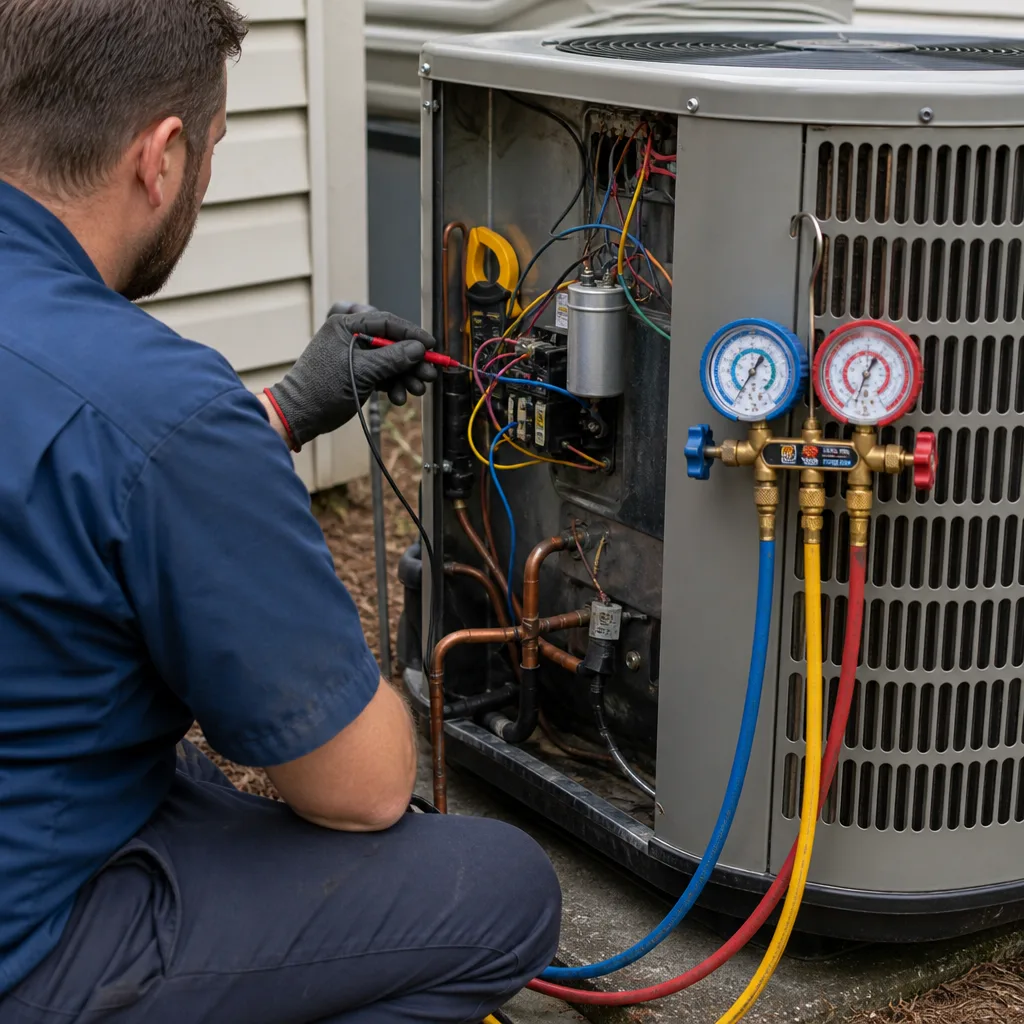
Seasonal tune-up and full diagnostic on your Carrier, Trane, or Goodman system - readings shown to you before any repair is proposed
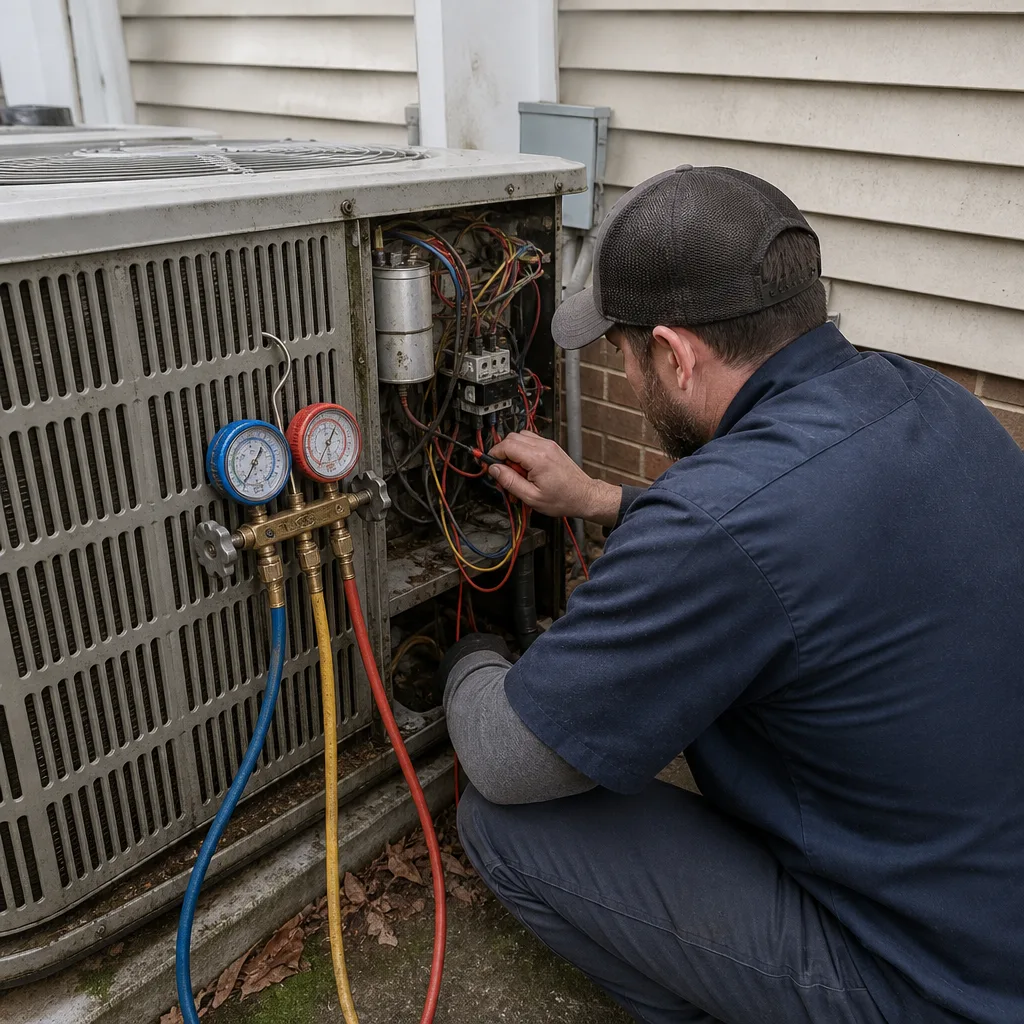
Diagnosis first, numbers second - you approve the repair price before a single part goes in.
Get your free estimateHVAC Warning Signs: A Sandy Springs Homeowner’s Reference Guide
A $180 capacitor failure and a $4,200 compressor failure often start with the exact same symptom: the outdoor unit runs, but the air coming from the vents isn’t cold. The difference between those two outcomes is rarely the brand of equipment. It’s how many days passed before someone picked up the phone. This guide teaches you to read the physical signals your home gives off – sounds, smells, humidity levels, and energy-bill shifts – and match each one to a likely cause and a realistic repair cost before a quiet warning becomes an August emergency in Sandy Springs. For a deeper dive, see The Complete Guide to HVAC in Sandy Springs.
Quick Answer
Most HVAC warning signs fall into four categories: sounds that shouldn’t be there, smells that signal specific failures, indoor humidity that won’t settle between 30% and 60%, and energy bills that climb more than 15% without a matching change in weather or usage. A click that repeats every few minutes, a faint burning smell on first startup, or a bill that’s 20% higher than the same month last year are all worth a service call within the week. A grinding sound, a sulfur smell, or an outdoor unit that’s running while no air moves inside means shut the system off at the thermostat and call right away.
Styles & brands we work with
Table of Contents
- The Sound Diagnostic: Eight Noises Your HVAC System Shouldn’t Make
- The Smell Diagnostic: Four Odors and What Each One Means
- Your Energy Bill Is a Diagnostic Tool: Reading the Numbers
- Humidity as a Warning Sign: What 60% and 30% Are Telling You
- The Ignore vs. Act Framework: Triaging Any Warning Sign
- Why Sandy Springs Weather Makes Small Problems Bigger
- A Seasonal Warning-Sign Checklist for Sandy Springs Homes
- Common Mistakes to Avoid
- When to Call a Professional
- Frequently Asked Questions
The Sound Diagnostic: Eight Noises Your HVAC System Shouldn’t Make
Your HVAC system makes sounds when it runs. That’s normal. A soft whoosh of air, a gentle click when the thermostat cycles on, a low hum from the outdoor condenser – these are the sounds of a healthy system doing its job. The sounds that matter are the ones that are new, loud, metallic, or rhythmic. Here are the eight specific sounds we hear most often in Sandy Springs homes, what each one points to, and how quickly it needs attention.
Grinding: Shut It Off Now
A grinding noise from the outdoor unit almost always means a compressor or fan motor bearing is failing. Metal is making contact with metal. The repair window is measured in hours, not weeks. Continuing to run the system while it grinds can turn a $300 motor replacement into a $2,000-plus compressor job. Shut the system off at the thermostat and call for service.
Squealing or Screeching: Schedule Within a Week
A high-pitched squeal typically comes from a blower motor bearing or a slipping belt in the air handler. It’s annoying, but it’s usually repairable without replacing major components. The sound often gets worse over a week or two. If you catch it while it’s still a squeal, the fix is usually a belt tension adjustment or a bearing replacement – in the $150 to $300 range in Sandy Springs.
Clicking That Repeats Every Few Minutes: Schedule Within a Week
A single click when the system turns on is normal – that’s the relay doing its job. Clicking that repeats every two to five minutes, with the system starting and stopping without completing a full cycle, usually means a failing capacitor or a control board issue. This is called short cycling, and it puts stress on the compressor every time it happens. The repair is often a $180 to $250 capacitor replacement if caught early.
Banging or Clanking: Shut It Off Now
A banging sound inside the indoor unit or ductwork usually means a loose or broken component – a blower wheel that’s come off its mount, a piece of the fan assembly that’s broken free, or a foreign object that’s worked its way into the cabinet. Any of these can cause further damage every time the system runs. Shut it off.
Hissing: Shut It Off If It’s Continuous
A hissing sound from the indoor coil or refrigerant lines can point to a refrigerant leak. Refrigerant is under pressure, and a hiss means that pressure is escaping. Continuous hissing warrants an immediate shut-off and a professional evaluation. A brief hiss at shutdown is sometimes just pressure equalizing – that’s normal. The difference is duration.
Rattling: Schedule Within a Week
Rattling is the most common sound we hear in Sandy Springs homes, and it’s usually the least serious. It often comes from a loose access panel, a twig or debris that’s found its way into the outdoor unit, or a loose screw in the ductwork. It can also be a sign of something more concerning, like a failing motor mount. Worth checking, but rarely an emergency.
Humming That’s Louder Than Usual: Shut It Off If the Fan Isn’t Spinning
A loud hum from the outdoor unit while the fan stays still is the classic sign of a failed capacitor. The motor is trying to start but can’t. Left running in this state, the motor can overheat and fail. This is one of the most common repairs we make – AC repair in Sandy Springs calls often describe exactly this sound, and the fix is typically straightforward if addressed the same week.
Gurgling: Schedule Within a Week
Gurgling from the indoor unit or the condensate drain line usually means the drain is partially clogged and water is backing up. It can also indicate air in the refrigerant lines. Either way, it’s worth having it looked at before water damage or a frozen coil adds to the repair bill. A condensate drain cleaning is one of the least expensive services we provide, and it prevents mold growth around the air handler.
The Smell Diagnostic: Four Odors and What Each One Means
Smells are trickier than sounds because they linger and change. But they’re also more specific. Each odor points to a different cause, and some of them matter for your safety more than your comfort.
Musty or Mildewy: Maintenance Issue, Schedule Within a Week
A musty smell coming from the vents usually means microbial growth somewhere in the system – most often on the evaporator coil or inside the condensate drain pan. In Sandy Springs, where summer humidity regularly pushes above 70%, this is common. The coil stays wet, organic matter collects, and the result is an odor that spreads through the house every time the blower kicks on. The fix is a coil cleaning and a drain treatment, not a major repair. Left unaddressed, it becomes an air-quality issue that affects sensitive family members.
Burning or Hot Dust Smell on First Startup: Normal, If It Fades Within Minutes
If you haven’t run the heat in a while and you catch a faint burning smell when the furnace first fires up, that’s usually just dust burning off the heat exchanger. It should fade within 10 to 15 minutes. If it doesn’t fade, or if it gets stronger, shut the system off – a persistent burning smell can mean an overheating motor or wiring.
Sulfur or Rotten Egg Smell: Safety Issue, Shut It Off and Call Immediately
Natural gas is odorless, so utility companies add a sulfur compound that smells like rotten eggs. If you smell that near your furnace, it’s a gas leak until proven otherwise. Shut the system off at the thermostat, don’t flip any light switches or use anything with a spark, open windows if you can, and call your gas utility first, then furnace repair in Sandy Springs for a professional evaluation. This is not a smell to investigate on your own.
Sharp Chemical or Sweet Chloroform-Like Smell: Maintenance Issue, Schedule Within a Week
A chemical smell from the vents can indicate a refrigerant leak. R-410A has a slightly sweet, ether-like odor when it escapes in concentrated amounts. Because refrigerant leaks reduce system efficiency and can damage the compressor, this is worth addressing quickly. The repair involves finding and sealing the leak, then recharging the system to the manufacturer’s specification – not just adding refrigerant on top of a leak.
Your Energy Bill Is a Diagnostic Tool: Reading the Numbers
Most Sandy Springs homeowners don’t think of their energy bill as a diagnostic instrument, but it’s often the first signal something’s wrong. Before a system makes a strange sound, before it smells different, it almost always starts working harder – and working harder shows up as kilowatt-hours on your Georgia Power statement.
The 15% Rule
Compare your bill to the same month last year, not the month before. Use total kWh, not dollar amount, since rates change. If usage is up 15% or more without a matching stretch of hotter weather or added occupants, something is forcing the system to run longer or less efficiently. The three most common causes:
- Refrigerant leak: Low refrigerant forces the compressor to run longer to hit the same setpoint. A 25% increase in runtime is common with a slow leak.
- Failing motor or capacitor: A blower motor or condenser fan motor that’s losing efficiency draws more current and runs longer.
- Duct breach: A disconnected or torn duct in the attic or crawlspace dumps conditioned air into a space you’re not living in. The system runs longer to compensate. We see this often in older Sandy Springs homes with original flex duct.
How to Use the Bill as a Warning System
- Set a calendar reminder to pull your total kWh number on the same day each month.
- Create a simple spreadsheet or note with the kWh total and the average outdoor temperature that month.
- When a bill comes in 15% or more above the same month last year, call for a diagnostic visit before the system shows any other symptom.
A diagnostic visit costs less than most repairs, and it often catches a $200 problem before it becomes a $3,000 one. That’s the entire point of this guide.
Humidity as a Warning Sign: What 60% and 30% Are Telling You
The air inside your home should sit between 30% and 60% relative humidity. Below 30%, the air feels dry – static electricity, scratchy throats, cracking wood. Above 60%, the air feels sticky, and it creates conditions where mold and dust mites thrive. Your HVAC system is the primary tool that manages indoor humidity, which means unusual humidity levels are a diagnostic signal.
The $25 Tool That Tells You the Truth
A basic digital hygrometer costs about $25 at any hardware store and gives you a real number instead of a feeling. Put it in a central hallway, away from the kitchen and bathrooms. Check it at different times of day. That number is more useful than any description of “it feels humid” or “it feels dry.”
Above 60% in Summer: Your System Isn’t Dehumidifying
An air conditioner removes moisture as a byproduct of cooling. If the indoor humidity stays above 60% while the system runs, one of three things is happening: the system is oversized for the home and short-cycles without running long enough to pull moisture, the refrigerant charge is low and the coil isn’t getting cold enough to condense water, or the blower speed is set too high. Air moving too fast across the coil doesn’t give moisture time to condense. Each cause has a different fix, and a good technician will measure the system’s actual performance rather than guess.
Below 30% in Winter: Air Is Leaking
Dry indoor air in winter usually means outside air is getting in. Cracks around windows, an unsealed attic hatch, or a furnace that’s pulling combustion air from the living space instead of outside. It can also mean a humidifier isn’t working, if you have one. In Sandy Springs, winter dry spells are short but noticeable, and a home that drops below 30% humidity will feel colder at the same thermostat setting, which pushes the furnace to run more.
The Ignore vs. Act Framework: Triaging Any Warning Sign
Not every unusual sound or smell is an emergency. Some are normal. Some are warning signs. Some are failures in progress. The skill is knowing which is which, and the trick is a simple three-question framework instead of a gut feeling.
- Is it new? A sound or smell that’s been there since you moved in, or since the system was installed, is less urgent than one that appeared this week. Your baseline matters. If you can’t remember when it started, it’s worth investigating.
- Is it consistent, or does it come and go? A sound that happens every single time the system runs points to a mechanical issue. A smell that appears once and never returns might be environmental – something that got sucked into the return, a neighbor’s fire, a spilled cleaner near a register. Consistent signals mean the system itself is talking to you.
- Does it involve sparks, gas, or a burning smell that won’t quit? Any of those three is an immediate shut-off and a call. No triage needed. Everything else – the odd squeal, the new rattle, the musty smell – fits into the “schedule this week” category.
The takeaway: if it’s new, consistent, and mechanical, schedule a visit. If it’s dangerous, shut it off now. Most HVAC failures follow a pattern: quiet signal, ignored signal, louder signal, breakdown. You get to choose which stage you respond at.
Why Sandy Springs Weather Makes Small Problems Bigger
Every city has its own HVAC personality, and Sandy Springs has a distinct one. We sit at the edge of the metro Atlanta heat island, which keeps our summer nights warmer than the surrounding areas. That means air conditioners run longer cycles, especially in neighborhoods like Dunwoody Panhandle, Riverside, and the homes along Johnson Ferry Road where older trees create pockets of shade that make thermostats behave differently than in the open lots near Abernathy Road.
Spring pollen season is another Sandy Springs-specific pressure. The yellow pine pollen that blankets this area every March and April clings to condenser coils with a film that reduces heat exchange. A coil that’s 30% blocked by pollen can raise your cooling bill noticeably without producing any sound or smell. If you haven’t rinsed your outdoor unit since April, there’s a good chance it’s working harder than it needs to be.
Summer thunderstorms bring lightning and power flickers that age capacitors and control boards. The same storm that knocks out your power for three seconds can damage a capacitor that fails three weeks later, which is why post-storm electrical gremlins are a pattern we see in Sandy Springs every June and July. If your system acts strangely after a storm – even if it seems to recover – it’s worth mentioning to a technician.
Winter in Sandy Springs is mild but damp. Furnaces that sit idle for eight months accumulate dust and develop moisture-related issues in the gas valve and ignitor. The first cold snap in December is when Meadowsweet Heating and Air Sandy Springs home customers tend to discover issues that were quietly developing since spring.
A Seasonal Warning-Sign Checklist for Sandy Springs Homes
Instead of remembering every sound and smell in this guide, run through this AC Repair Maintenance Checklist for Sandy Springs Homeowners twice a year – once in April before cooling season, once in October before heating season. Each item takes under a minute.
April Cooling-Season Checklist
- Rinse the outdoor condenser coil with a garden hose to remove pollen and winter debris. Turn the power off first.
- Run the system for 15 minutes and check the air coming from a vent. It should feel about 15 to 20 degrees cooler than the room air. If it doesn’t, that’s a refrigerant or airflow issue.
- Check the indoor humidity. If it stays above 60% while the system runs, call for a diagnostic visit before summer peaks.
- Stand next to the outdoor unit while it runs. New sounds – any of the eight from this guide – are the signal to schedule service.
- Compare your April kWh usage to last April. A 15% jump with similar weather is a warning sign even if the system seems fine.
October Heating-Season Checklist
- Run the furnace for 15 minutes with windows open. The first burn will smell like dust – that should fade. If it doesn’t, shut it down and call.
- Check the air filter. If it’s gray and clogged, replace it before heating season adds eight months of accumulation on top.
- Check the area around the furnace for soot marks, rust, or water stains – all signs of combustion or condensation problems.
- Test the carbon monoxide detector near the furnace. This is the single most important non-HVAC item in your heating system.
- Listen for repeated clicking on startup. An ignitor that takes three or four attempts to light needs attention before it fails entirely.
Common Mistakes to Avoid
- Using the lowest MERV filter to save money, then wondering why the coil is dirty. A dirty coil is a $300 cleaning. A quality filter costs $12. The math doesn’t work in favor of the cheap filter, especially during Sandy Springs pollen season.
- Comparing year-over-year bills by dollar amount instead of kilowatt-hours. Rate increases make dollar comparisons useless. Total kWh is the only number that tells you whether your system is working harder.
- Turning the thermostat down to 68 when the system can’t hold 75. The thermostat setting doesn’t change system capacity. If it can’t hold 75, it can’t hold 68, and setting it there just makes the system run continuously until it fails.
- Ignoring a new sound because the system still cools. The compressor on a system with a failing capacitor still produces cold air – until it doesn’t. Sound signals almost always precede performance signals.
- Waiting until July or December to schedule service for something noticed in March or October. Shoulder-season service is faster and less likely to cost overtime. The same repair in peak season often costs more and takes longer to schedule.
- Pouring bleach down the condensate drain line as a preventive measure. Bleach damages the PVC and the coil pan over time. There are safer, purpose-made treatments, and a professional drain cleaning is inexpensive.
- Assuming a new system doesn’t need attention. New equipment is more sensitive to airflow and refrigerant charge than old equipment. Skipping maintenance on a new install can void the warranty, and most manufacturer warranties require annual professional maintenance.
When to Call a Professional
Call a professional when a warning sign is new, consistent, and not in the “normal” category from this guide. Call immediately for any sulfur smell, grinding sound, continuous hissing, or burning smell that doesn’t fade. Call within the week for repeated clicking, musty smells, humidity that won’t settle, energy usage that’s up 15% or more, or any sound that’s been around for a few weeks and isn’t getting better. AC installation in Sandy Springs is a bigger conversation, but repairs and diagnostics are usually same-week work. Meadowsweet Heating and Air Sandy Springs offers free estimates in Sandy Springs – call (229) 490-2049 and a live person answers, day or night.
Frequently Asked Questions
Most diagnostic visits in Sandy Springs run between $79 and $129, depending on the company and the season. Meadowsweet Heating and Air provides a written price before any work starts, so you know the diagnostic fee before you book. If repair work is approved, many companies apply the diagnostic fee toward the repair total. Call (229) 490-2049 for a current quote.
This is the classic symptom of low refrigerant, a failing compressor, or a severely restricted airflow problem. It’s also the exact scenario where acting within days instead of weeks makes the difference between a minor repair and a major one. Call for a diagnostic visit before running the system continuously makes the underlying problem worse.
Yes, if it fades within 10 to 15 minutes. Dust settles on the heat exchanger during the months the furnace sits idle, and the first burn of the season burns it off. If the smell persists or gets stronger, shut the system off and call for service – that’s not dust.
Shut the system off at the thermostat, don’t flip switches or use anything that creates a spark, open windows if possible, and call your gas utility immediately. After the utility clears the property, call a professional for furnace repair in Sandy Springs to find the source. Gas leaks are a safety issue first and a repair second.
Twice a year – once in spring for cooling, once in fall for heating. Sandy Springs pollen season makes the spring visit especially important for coil cleaning, and the damp winter air makes the fall visit important for furnace components. Homes with pets should check filters monthly and consider more frequent service. For a full seasonal breakdown, read Seasonal HVAC Care for Sandy Springs: Year-Round Homeowner’s Guide.
Yes. Our technicians are qualified to service nine major equipment brands, including Carrier, Bryant, American Standard, and Daikin, among others. Every job includes a written price before work begins, shoe covers and drop cloths inside the home, and a photo of the clean-up before the crew leaves.
The Bottom Line
Your home tells you when something’s wrong, but it speaks in a language most homeowners never learned. A click that repeats, a bill that climbs, a humidity reading that won’t settle, a smell that lingers – each one is a signal, and each one maps to a specific cause with a specific repair cost. The value of this guide isn’t the knowledge that signs exist. It’s the ability to respond at the right stage: a same-week repair instead of an emergency replacement, a $200 fix instead of a $4,000 one. If something you read here matches what your home is doing, call (229) 490-2049. A live person answers, every time. For more guides & resources, visit our blog.
Written by Luis Serrano, Owner at Meadowsweet Heating and Air Sandy Springs, serving Sandy Springs since 2004.
See the difference
 Before
 After
 Before
 After
 Before
 After