
Last updated October 16, 2026
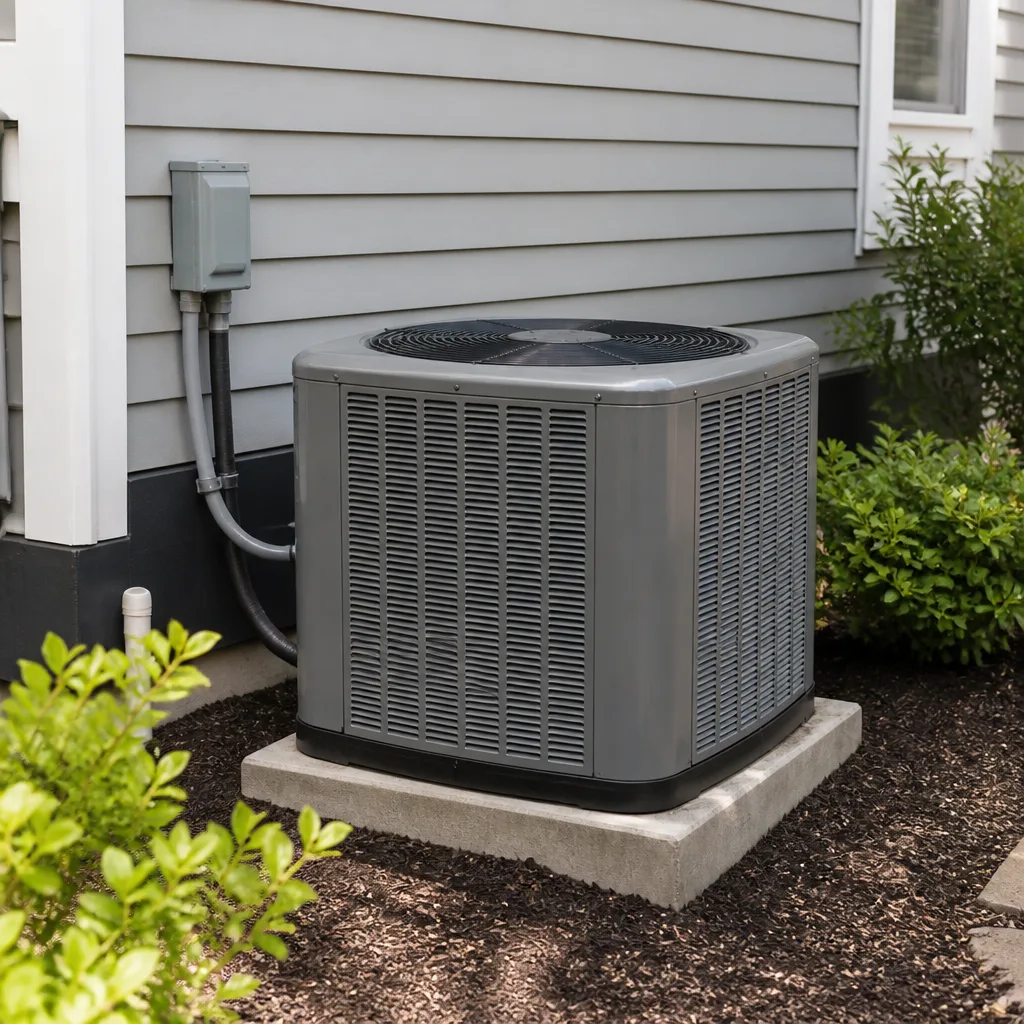 AC repair
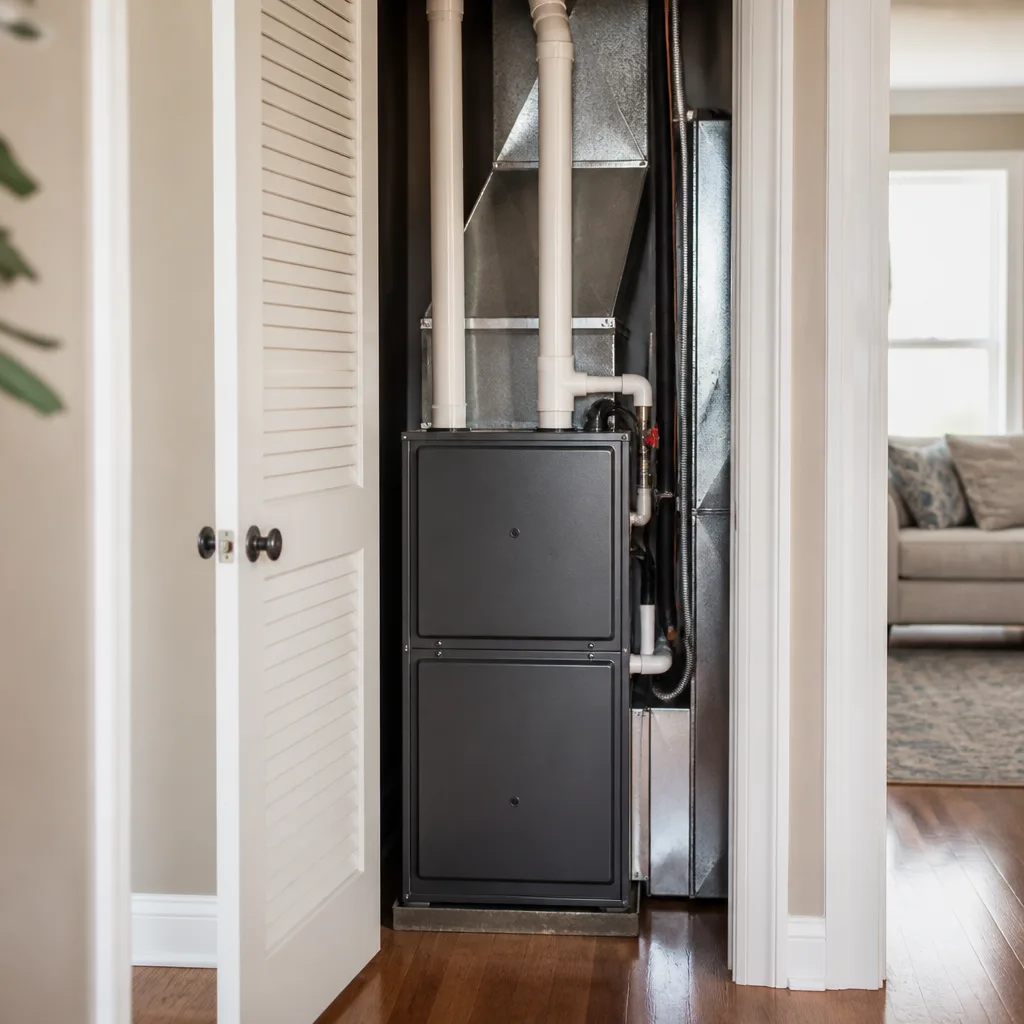 Furnace & heating
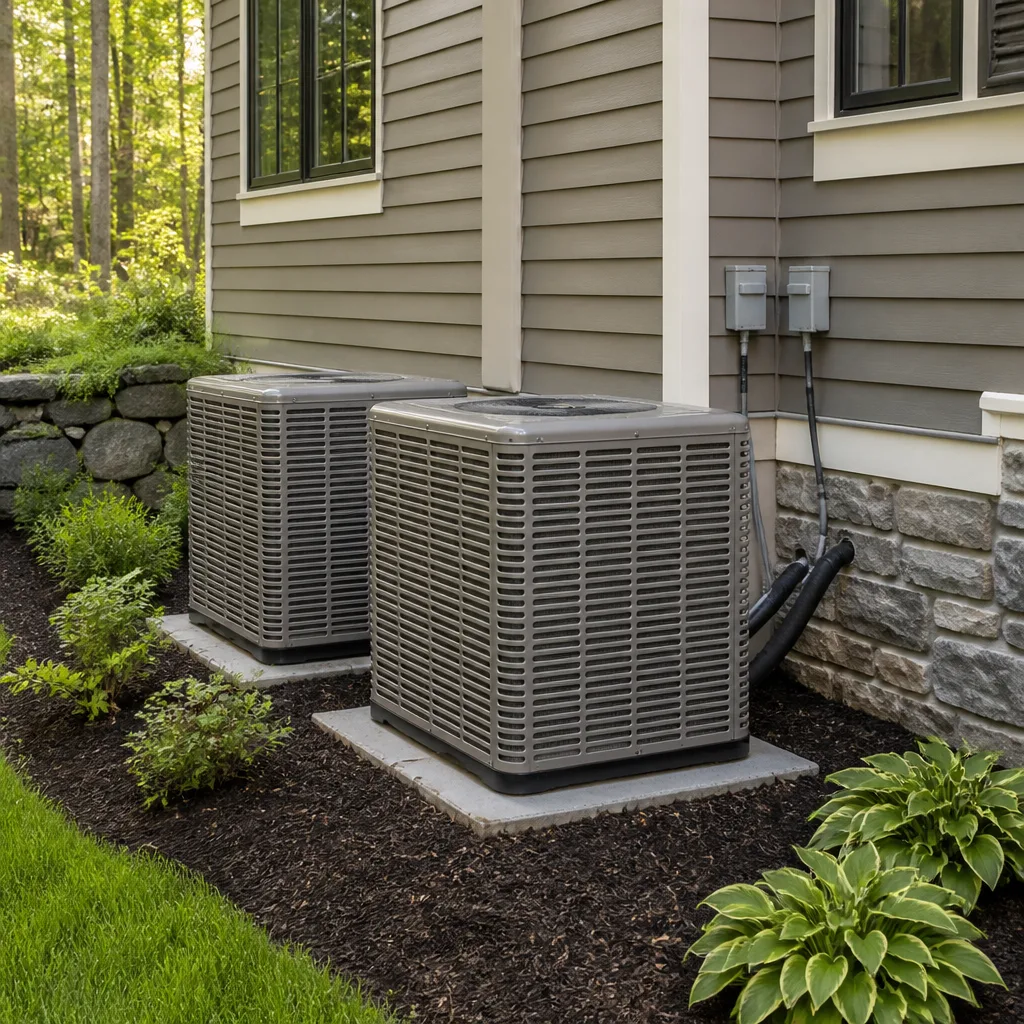 Heat pumps
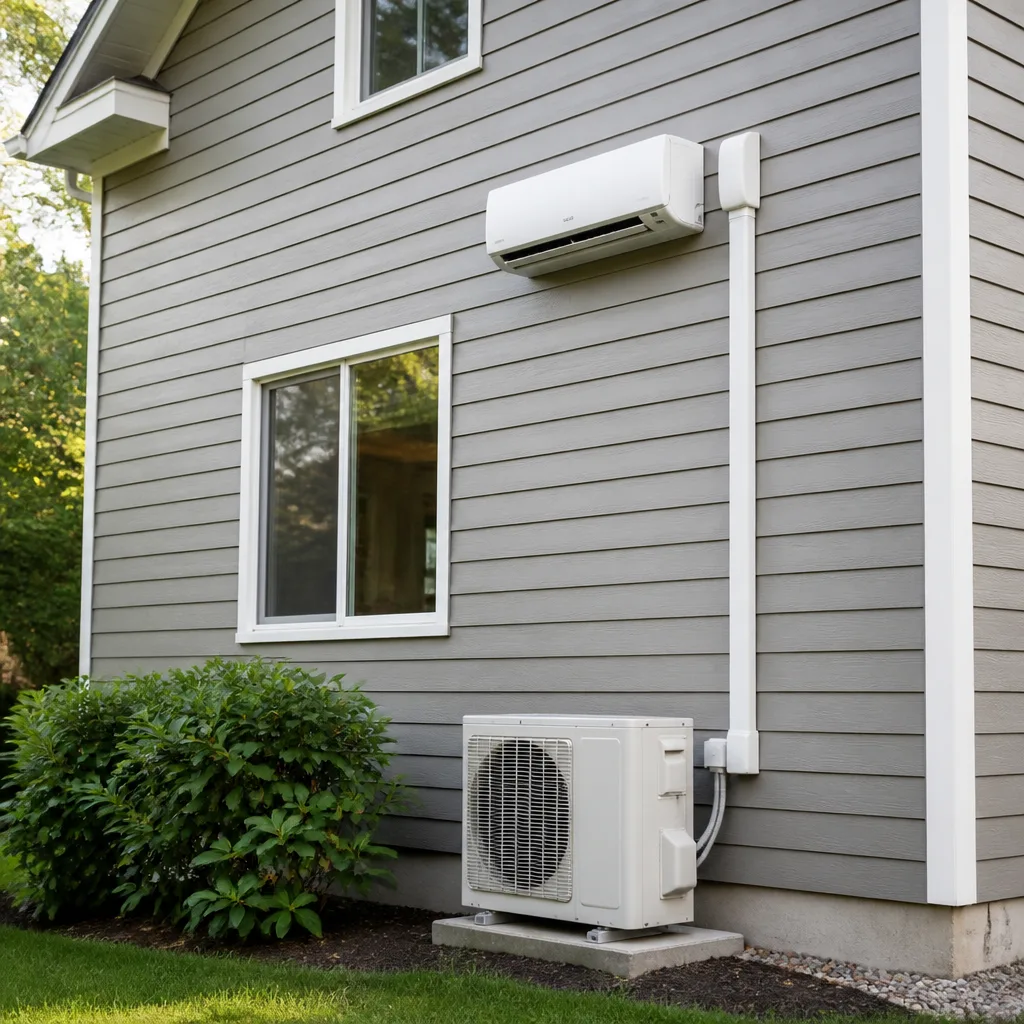 Ductless mini splits
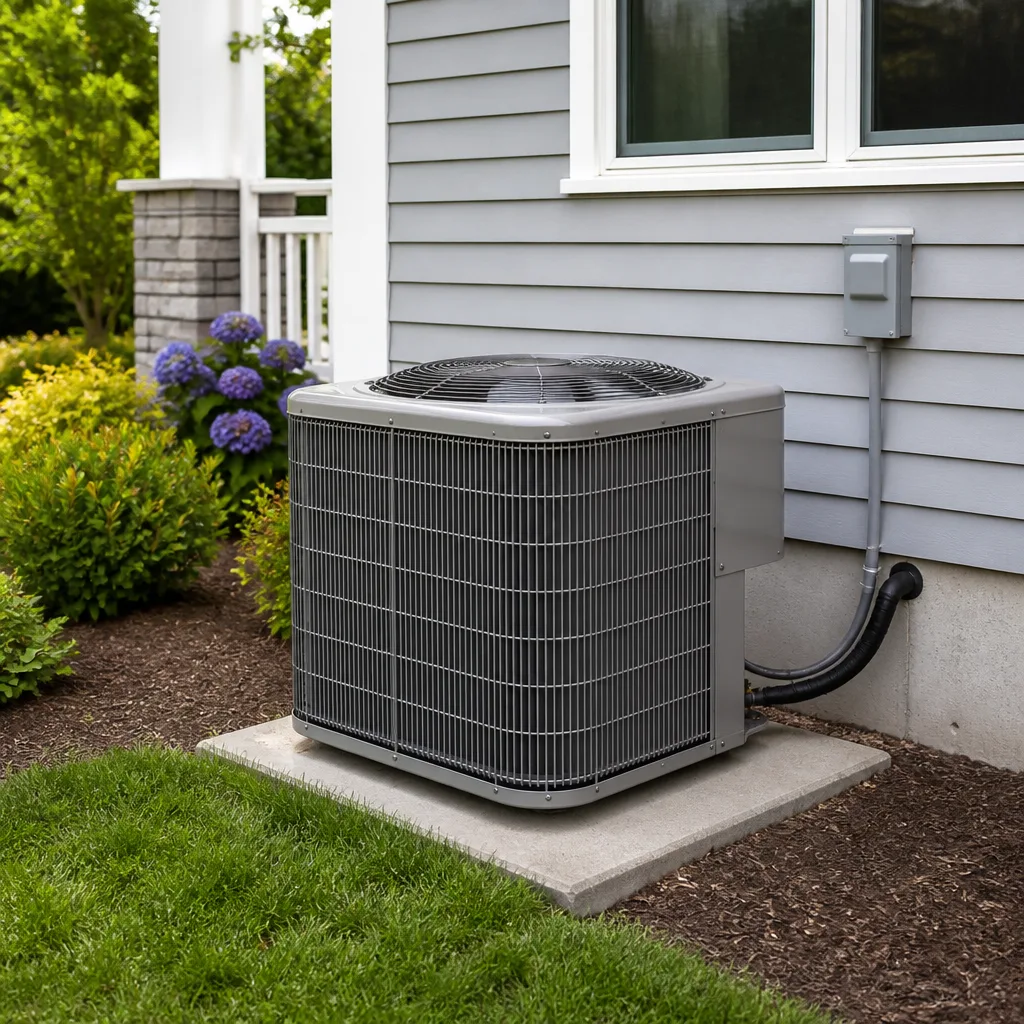 Carrier
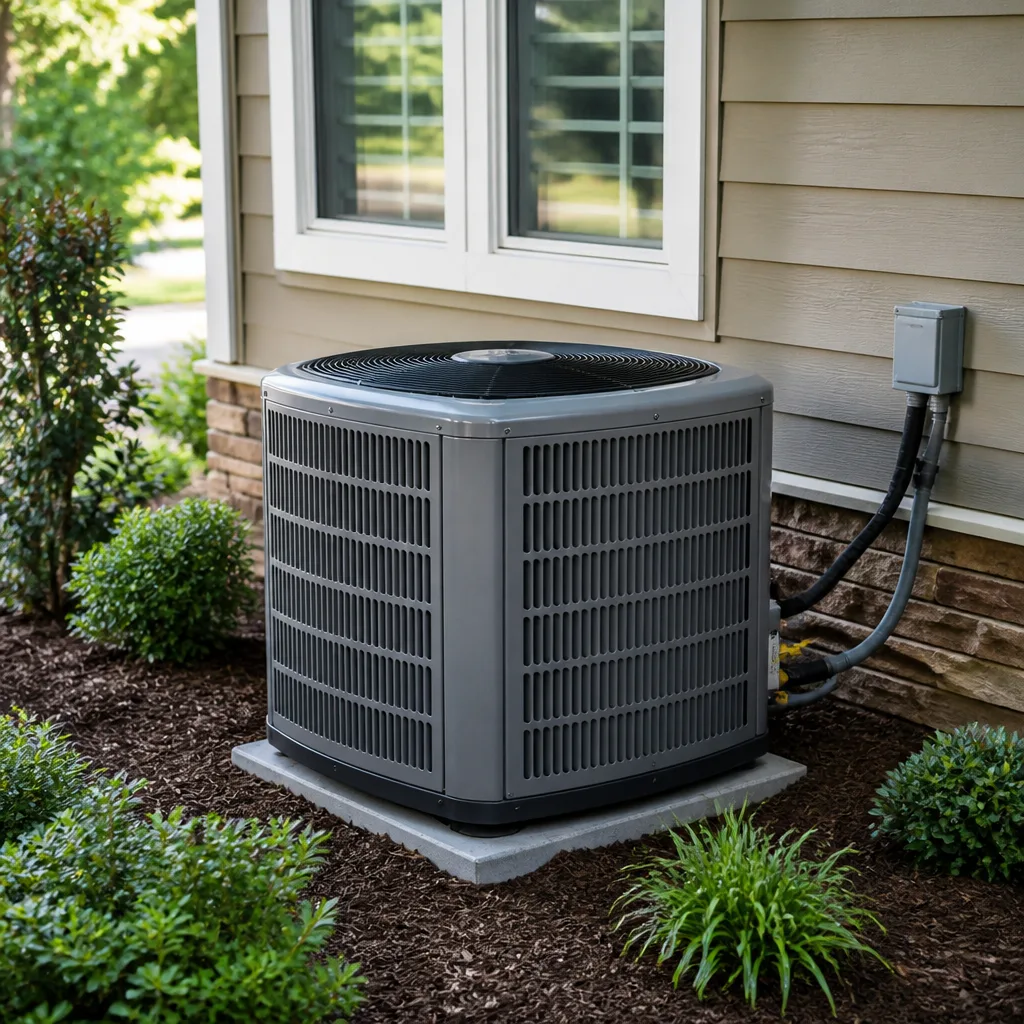 Trane
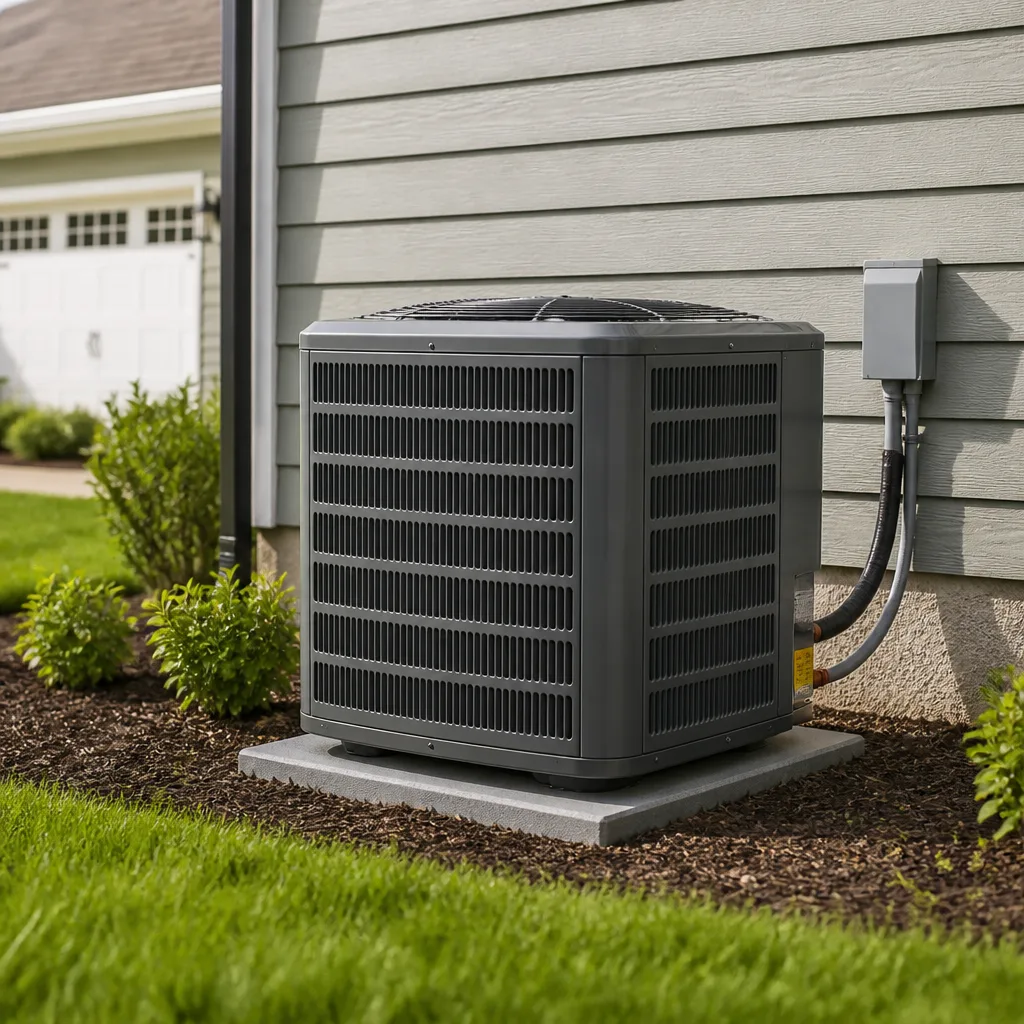 Goodman
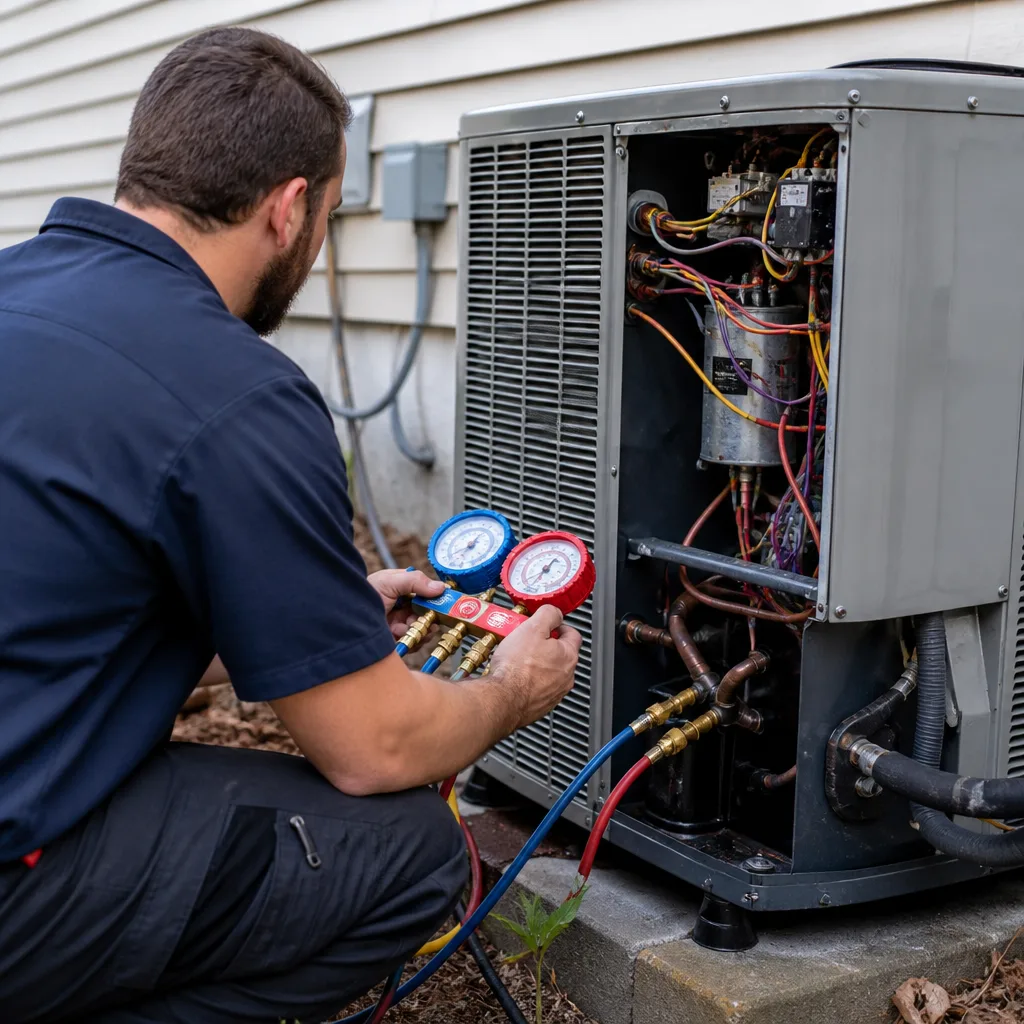
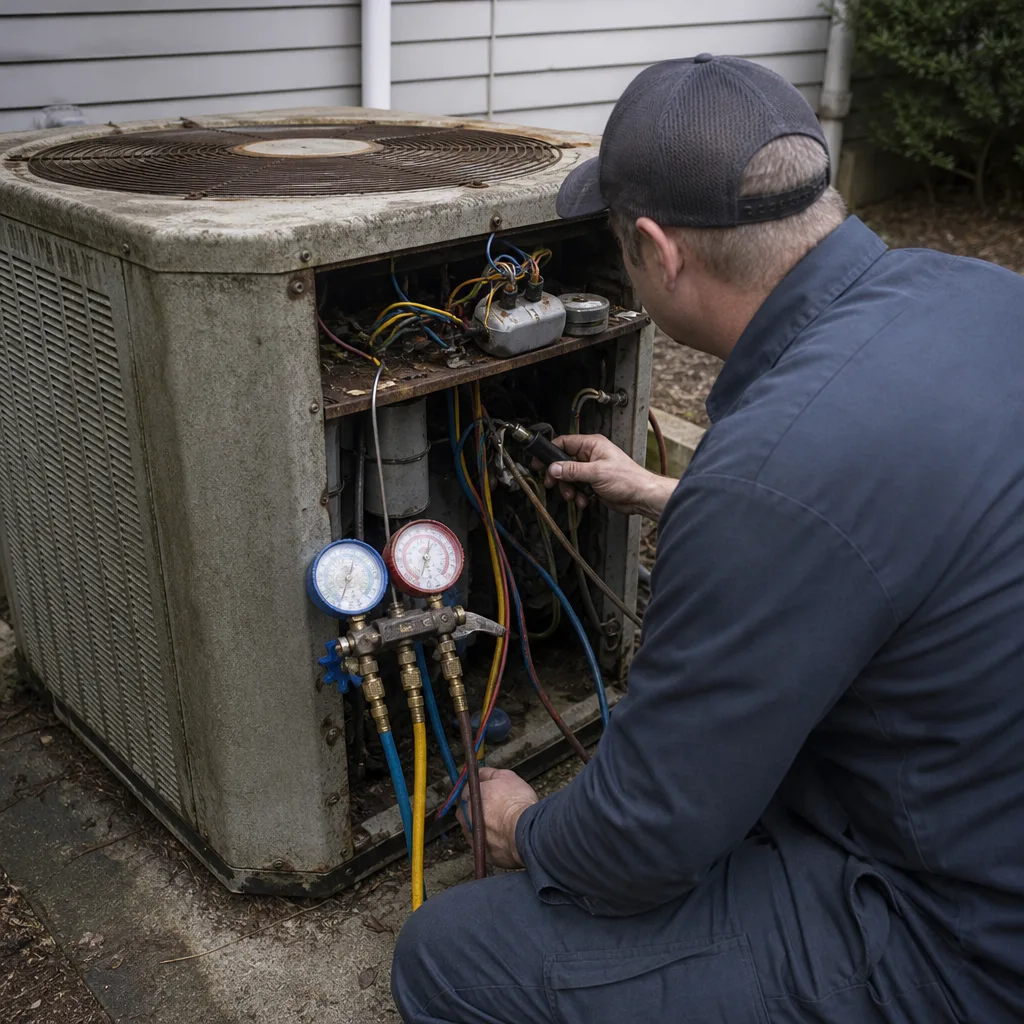
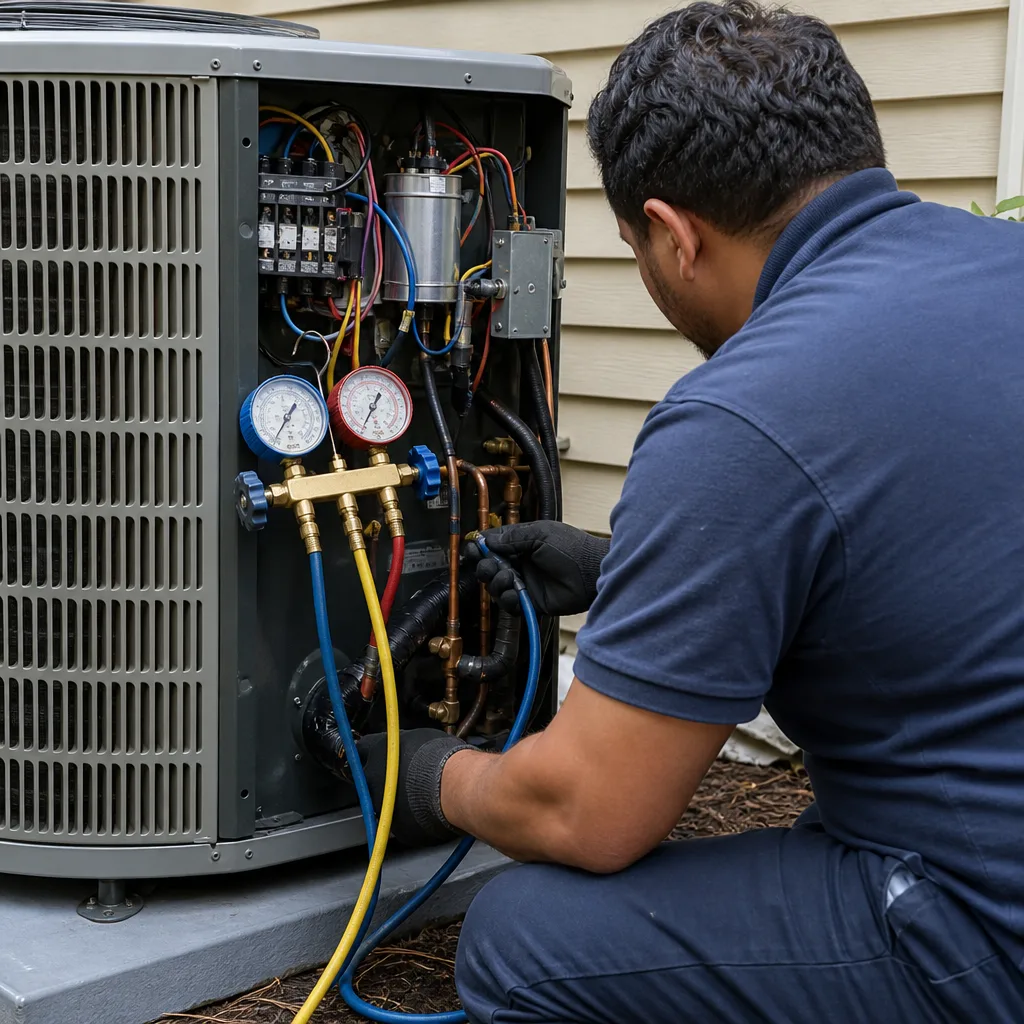
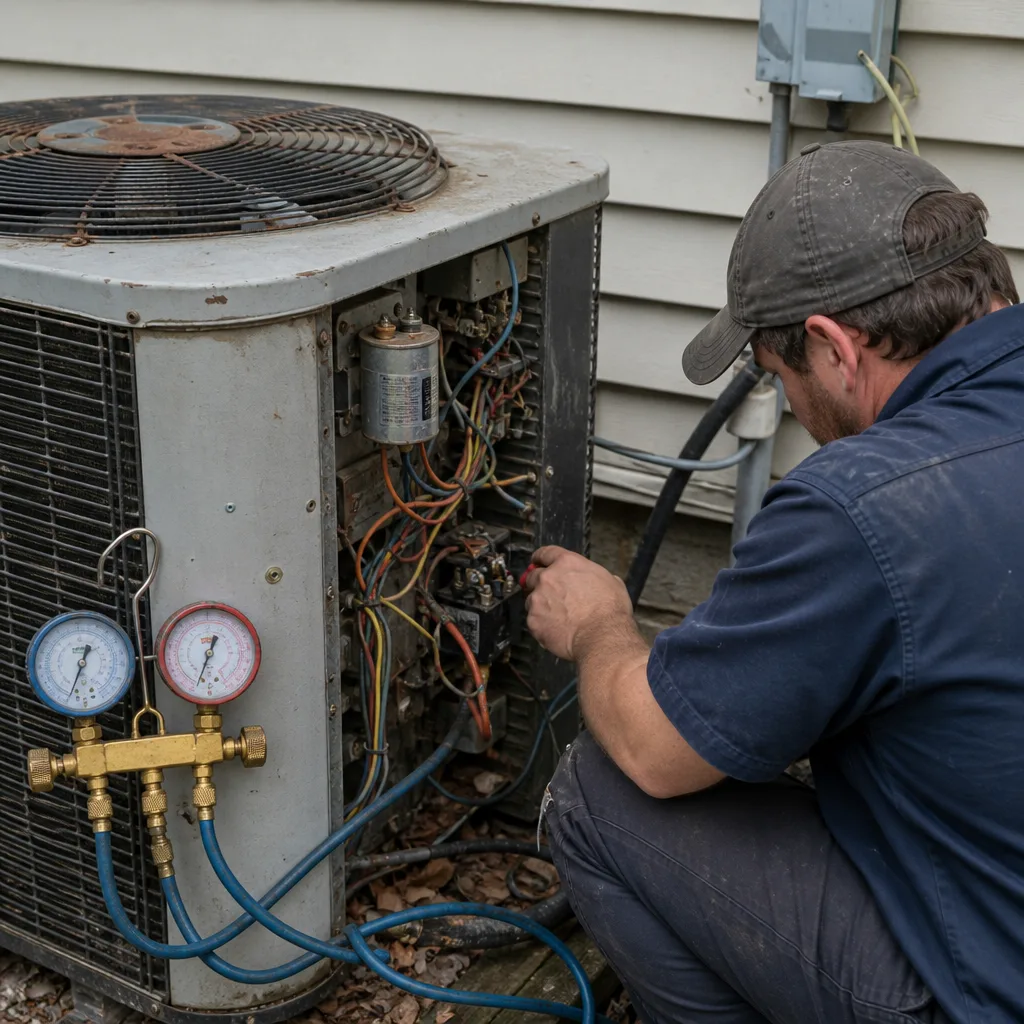
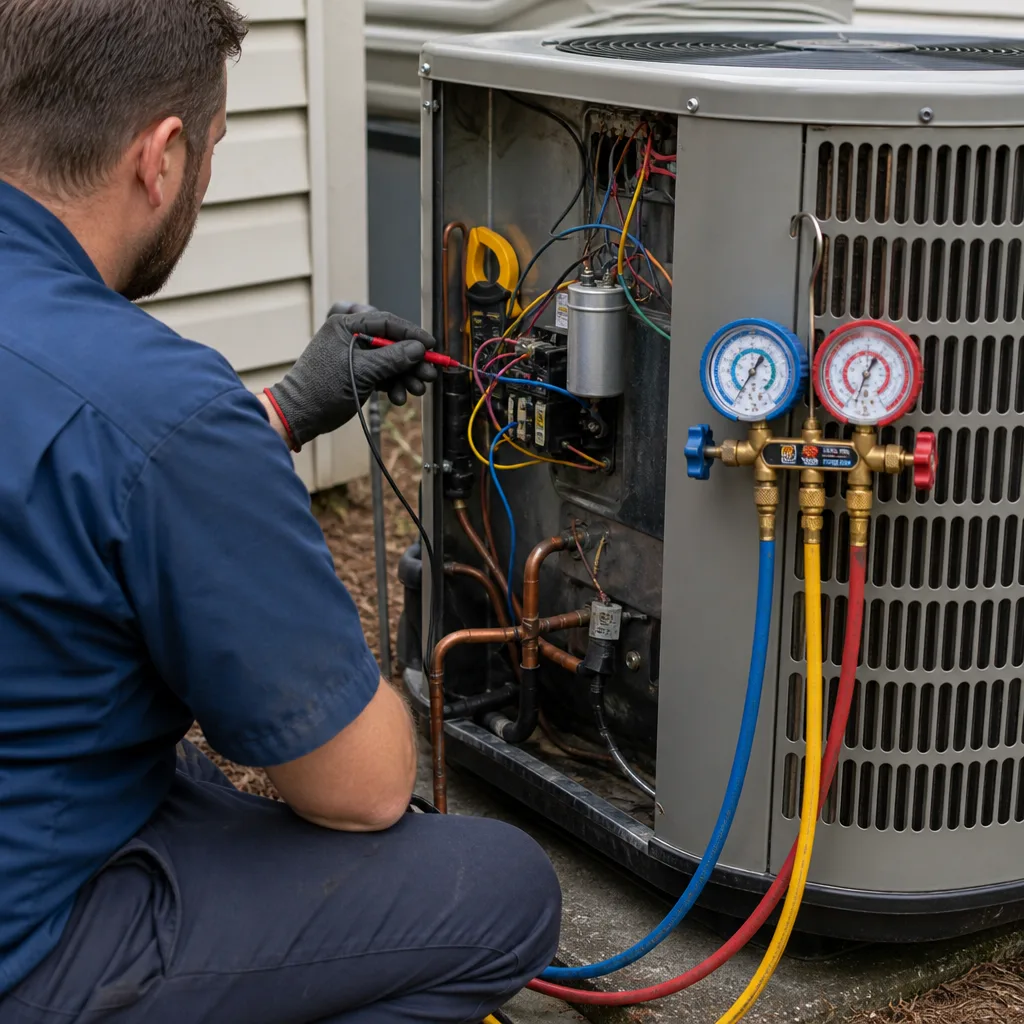
Seasonal tune-up and full diagnostic on your Carrier, Trane, or Goodman system - readings shown to you before any repair is proposed
Diagnosis first, numbers second - you approve the repair price before a single part goes in.
Get your free estimateThe Complete Guide to HVAC in Sandy Springs
The average Sandy Springs home runs its heating and cooling system roughly 3,100 hours a year. That’s more hours than most people spend at a full-time job. Yet when a system fails or needs replacing, many homeowners make decisions based on advice written for Phoenix or Minneapolis, places that share almost nothing with our climate. This guide covers everything specific to owning, maintaining, repairing, and replacing an HVAC system in Sandy Springs, from how our humidity changes equipment needs to what Fulton County actually requires for permits.
Styles & brands we work with
Quick Answer
HVAC in Sandy Springs means designing, installing, and servicing heating and cooling systems for a climate where summer heat index readings regularly exceed 105°F and winter lows drop into the low 20s. The most reliable approach for Sandy Springs homeowners is to pair a properly sized system (matched to your home’s square footage, insulation, and crawl space or slab conditions) with an installer who provides written pricing before work begins and stands behind the job for at least a year. In our experience serving Sandy Springs, the homes that stay comfortable longest are the ones where the equipment choice and the installation quality get equal attention.
Table of Contents
- The Climate Reality: Dual-Pressure Systems for Dual-Extreme Weather
- Humidity, SEER Ratings, and Sandy Springs’ Hidden Heat Load
- Red Clay, Crawl Spaces, and the Sandy Springs Install Difference
- Permits, Inspections, and the Fulton County vs. City of Sandy Springs Split
- Which Equipment Brands Hold Up in Sandy Springs
- Repair or Replace? A Decision Framework for Sandy Springs Homes
- What the Cedarwell Care Promise Covers That Warranties Don’t
- Common Mistakes to Avoid
- When to Call a Professional
- Frequently Asked Questions
- The Bottom Line
The Climate Reality: Dual-Pressure Systems for Dual-Extreme Weather
Sandy Springs sits in a climate band that punishes HVAC equipment in both directions. In July and August, the heat index around Abernathy Road and Roswell Road routinely climbs past 105°F, which means your air conditioner runs for hours at peak output. In January, overnight lows in neighborhoods like Riverside and Dunwoody Panhandle drop into the low 20s, pushing your furnace through long overnight cycles. A system sized or installed for one extreme fails at the other.
This dual pressure matters for two reasons. First, the average useful life of an HVAC system in the Atlanta metro area runs 12 to 15 years, but units in Sandy Springs that are undersized or improperly installed often fail in 8 to 10. The compressor burns out from running too long in August. The heat exchanger cracks from cycling too frequently in January. Second, the temperature swings mean your system never gets a true off-season. Sandy Springs homes need both heating and cooling performance optimized, not just one prioritized over the other.
What this means in practical terms: a system that gets 15 SEER efficiency ratings in drier climates might deliver less real-world efficiency in Sandy Springs simply because it runs more total hours. The cumulative load, not any single hot day, is what wears equipment down. When we evaluate a home near Hammond Drive or Mount Vernon Highway, we look at total annual runtime patterns, not just a single temperature snapshot.
Sandy Springs also has microclimates worth knowing about. Homes along the Chattahoochee River corridor tend to run slightly more humid than homes up near Spalding Drive. Properties with heavy tree canopy in neighborhoods like Huntcliff or North Springs get more shade but also more leaf litter and moisture around outdoor units. None of this appears in a generic HVAC guide, but all of it affects real-world performance and system life.
Humidity, SEER Ratings, and Sandy Springs’ Hidden Heat Load
Here’s what most HVAC guides get wrong about Sandy Springs: our summer humidity is the actual killer, not just the temperature. Sandy Springs averages over 70% relative humidity during summer months. That means your air conditioner has two jobs: lowering temperature and removing moisture. A system that cools the air but cycles off too early leaves humidity behind, and a 75°F home at 65% humidity feels sticky, warm, and uncomfortable. The fix is not always a bigger unit.
SEER (Seasonal Energy Efficiency Ratio) is the standard measure of cooling efficiency, and in Sandy Springs, the interplay between SEER and humidity is the overlooked variable. Higher SEER units (16 to 20 SEER) typically run with variable-speed or two-stage compressors. Those systems run longer at lower speeds, which pulls more moisture out of the air than a single-stage unit that blasts cold air for 20 minutes and shuts off. For a Sandy Springs home with average humidity exposure, a 16 SEER two-stage system often keeps a home more comfortable than an 18 SEER single-stage because of moisture removal, not raw cooling power.
The practical range for Sandy Springs homes breaks down like this:
- 14 SEER single-stage: Minimal acceptable for newer, well-sealed homes under 2,000 square feet with good tree cover. Runs efficiently on moderate days, struggles with humidity control during peak summer.
- 16 SEER two-stage: The sweet spot for most Sandy Springs homes between 2,000 and 3,500 square feet. Better humidity management and good balance between upfront cost and long-term utility savings.
- 18 to 20 SEER variable-speed: Best for larger homes (3,500+ square feet), homes with zoned systems, or households with allergy or asthma concerns where consistent humidity control matters.
One more local factor: Sandy Springs sits at roughly 1,090 feet of elevation, slightly higher than downtown Atlanta. The elevation difference is small, but combined with the Chattahoochee River valley, it creates pockets of trapped humid air in low-lying neighborhoods. Homes in those pockets need humidity control prioritized even if their square footage suggests a smaller system would work.
Red Clay, Crawl Spaces, and the Sandy Springs Install Difference
Most of the soil in and around Sandy Springs is Georgia red clay, with patches of sandy loam near the river basin. Red clay holds water. It expands when wet and contracts when dry. For homes with crawl spaces, that constant moisture cycle does two things: it drives humidity up into the conditioned space, and it accelerates rust and corrosion on any HVAC equipment or ductwork sitting in the crawl space environment.
We’ve seen homes in the Riverside Drive corridor where ductwork in a moist crawl space deteriorated in under a decade, leaking conditioned air into the dirt. A new system installed in that same crawl space without addressing moisture ends up on the same clock. The fix involves sealing the crawl space or at minimum insulating and sealing the ductwork correctly. In Sandy Springs, a well-installed system in a sealed crawl space can last 3 to 5 years longer than one sitting in an open, damp crawl space.
For slab homes, red clay creates a different problem: settling. Sandy Springs has pockets where clay soil shifts seasonally, and a concrete slab that shifts even a quarter inch can misalign copper refrigerant lines running through it. That’s rare, but when it happens, a compressor works harder than it should, pressures run wrong, and premature failure follows. The installation detail that prevents this is proper line-set isolation and flexible connections where the copper meets the slab penetration.
The installer’s role here is underappreciated. Equipment arrives from the factory in perfect working order, but a Carrier, Trane, Lennox, Goodman, Rheem, York, Daikin, Bryant, or American Standard unit installed without attention to local soil and moisture conditions will underperform regardless of brand. In Sandy Springs, the best equipment choice paired with a careless install is worse than a mid-range unit installed to handle our specific environment.
Permits, Inspections, and the Fulton County vs. City of Sandy Springs Split
Sandy Springs operates its own permitting and code enforcement, separate from unincorporated Fulton County. The City of Sandy Springs Community Development Department handles HVAC permits for addresses within city limits, which covers most of the city proper. Homes in unincorporated Fulton County pockets adjacent to Sandy Springs fall under Fulton County’s permitting authority instead. The split matters because requirements, fees, and inspection scheduling differ between the two jurisdictions.
Here’s how the permit process works for most Sandy Springs HVAC replacements:
- Determine jurisdiction: Check whether your address falls under City of Sandy Springs or Fulton County jurisdiction. The city’s online permit portal lists address eligibility.
- File the mechanical permit: A licensed HVAC contractor files the permit application before work begins. Homeowners can file in some cases, but a licensed contractor is required to pull mechanical permits for equipment replacement in most City of Sandy Springs cases.
- Pass the rough inspection: If ductwork or line sets are being modified, an inspector verifies the work before walls or insulation are closed back up.
- Pass the final inspection: Once the system is installed and running, an inspector confirms it meets current codes, including proper condensate drainage, electrical disconnect requirements, and refrigerant line clearances.
What too many homeowners don’t realize: a permit is not optional, and skipping it creates problems when selling the home. Sandy Springs home inspectors increasingly flag unpermitted HVAC work during pre-listing inspections. A new system installed without a permit can become a closing-time negotiation point, costing more than the permit itself would have. A contractor who tells you a permit isn’t necessary for a full system replacement in Sandy Springs is giving you advice that will cost you later.
AC installation in Sandy Springs should always include permit handling as part of the written quote. It’s a small line item that protects the value of the work.
Which Equipment Brands Hold Up in Sandy Springs
Sandy Springs homeowners often ask which brand is “best.” The honest answer: in a climate with our dual extremes, the installer matters more than the badge on the cabinet. Every major brand produces models that work well here. But some brands have design characteristics that fit our specific conditions better than others.
Lennox systems, for example, tend to emphasize high-efficiency variable-speed operation and humidity control. In the humid summers around the Chattahoochee corridor, a Lennox variable-speed unit running long, low-capacity cycles pulls moisture out of the air more effectively than a single-stage unit of the same size. Goodman builds systems that are straightforward to service, with widely available parts, which matters when a repair is needed in the middle of a July heat wave and the homeowner wants a same-day fix rather than a multi-day parts wait. Rheem and York both make solid mid-range options that handle our winter heating loads without overbuying cooling capacity you’ll only use three months a year.
The brand question in Sandy Springs is really a pairing question. A high-efficiency Lennox or Rheem matched with an installer who understands our humidity profile delivers consistently good results. The same equipment installed by a crew that treats a Sandy Springs crawl space like a Phoenix slab will underperform. When homeowners ask us about AC repair in Sandy Springs, the root cause of many repeat failures traces back to the original installation, not the equipment brand.
What we recommend: pick two or three brands you’re comfortable with, then interview installers. Ask them about crawl space moisture, about how they size for humidity versus dry heat, and about how many hours a year they expect your system to run. Attention to those details tells you more than any brand brochure.
Repair or Replace? A Decision Framework for Sandy Springs Homes
Every system eventually reaches a break point where repairs stop making financial sense. The rule of thumb in Sandy Springs: if your system is 10 to 12 years old and a major component fails (compressor, heat exchanger, evaporator coil), replacement usually wins. If the system is under 8 years old and the failure is a capacitor, contactor, or control board, repair is almost always the right call.
Here’s a more complete decision framework:
- Age of equipment: 0-8 years, repair for anything under $800. 8-12 years, repair only if the cost is under 40% of a replacement system. 12+ years, replacement is almost always the better financial move.
- Component failure point: Capacitors, contactors, thermostats, and condensate switches are wear items meant to be replaced. Compressors and heat exchangers are heart-of-the-system failures.
- Energy cost trend: If your summer electric bills in Sandy Springs have crept up 20% or more over five years despite consistent rates, your old system is working harder than a replacement would.
- Comfort pattern: Rooms that never cool evenly, persistent humidity, or a system that never stops running in July are symptoms of equipment nearing the end of useful life.
If you decide replacement is the right path, AC installation in Sandy Springs done well starts with a load calculation. That calculation accounts for insulation, window orientation, crawl space conditions, and our specific climate data. Skip that step and the wrong size system gets installed, leading to the same comfort problems you were trying to solve.
What the Cedarwell Care Promise Covers That Warranties Don’t
Manufacturer warranties cover parts. They don’t cover labor. They don’t cover the drywall dust left on the floor, the muddy boot prints in the hallway, or the scratched door frame from a careless equipment move. In Sandy Springs, a 10-year parts warranty from a major brand might cover a replacement compressor, but the $1,200 in labor to install that compressor is on you unless you have additional protection.
The Cedarwell Care Promise, which backs every job done by Meadowsweet Heating and Air Sandy Springs, includes a 365-Day Done Right Promise. If it isn’t done right, it gets made right, no runarounds and no fine print. In dollar terms, that means if a repair fails within a year, you’re not paying another diagnostic fee or service call charge to have it fixed. Standard manufacturer warranties don’t cover that.
The Care Promise also commits to behaviors that don’t show up in any equipment warranty language. A written price before any work starts. Background-checked, uniformed technicians who follow a specific code: clean up like it’s their own home, ask before moving anything, respect the family’s time and quiet hours, and explain the price before the work begins. Shoe covers and drop cloths on every visit, plus a photo of the clean-up before the crew leaves. Those details matter in Sandy Springs homes with kids, pets, and routines that shouldn’t be disrupted by a service call.
When we work in homes along Mount Paran Road or in the Huntcliff neighborhood, the families we serve typically care about two things: that the system works properly, and that the crew leaves the home the way they found it, or cleaner. The Cedarwell Care Promise is an actual system for that second thing. It is part of how Meadowsweet Heating and Air Sandy Springs operates on every job, not an add-on for special clients.
Common Mistakes to Avoid
- Skipping the permit on a replacement. An unpermitted system in Sandy Springs becomes a liability at sale time, and inspectors routinely flag it. The permit fee is a fraction of the closing-time concession.
- Oversizing the AC unit. Bigger is not better in Sandy Springs. An oversized unit short-cycles, leaving humidity in the air and running up electric bills while still failing to feel comfortable.
- Ignoring crawl space moisture. In Sandy Springs’ red clay environment, a sealed and insulated crawl space is as important to system life as the equipment itself. Ignoring moisture there shortens equipment life by years.
- Buying on brand name alone. A premium brand installed poorly in a humid Sandy Springs crawl space will underperform a mid-range brand installed correctly. The installer’s understanding of local conditions outweighs the logo.
- Deferring routine maintenance until something breaks. A system that runs 3,100 hours a year needs a spring AC tune-up and a fall furnace check in Sandy Springs. Deferring maintenance leads to summer compressor failures and winter no-heat calls at the worst possible time.
- Replacing only the outdoor unit. Mixing a new outdoor condenser with a 12-year-old indoor coil reduces efficiency and shortens the new unit’s life. A matched system is a efficiency requirement, not an upsell.
- Choosing a contractor without a written price commitment. In Sandy Springs, a reputable contractor provides a written price before starting work. Any contractor who works on verbal estimates or discloses pricing midway through is not someone you want in your home.
When to Call a Professional
Some Sandy Springs HVAC situations deserve a trained professional immediately. If your furnace makes a burning smell that persists beyond the first cold snap of fall, if your AC blows warm air in July, if you hear grinding, screeching, or banging from the indoor or outdoor unit, or if your system runs constantly without hitting the thermostat setpoint, stop troubleshooting and call. High-voltage electrical components, refrigerant under pressure, and gas-fired heat exchangers are not DIY territory. A wrong move is dangerous and costly. Furnace repair in Sandy Springs and AC diagnostics should be left to someone who works on these systems daily. Meadowsweet Heating and Air Sandy Springs offers free estimates in Sandy Springs, call (229) 490-2049 and a live person answers, day or night.
Frequently Asked Questions
A full HVAC system replacement in Sandy Springs typically runs between $7,000 and $14,000 depending on system size, efficiency rating, and installation complexity. A basic 14 SEER AC with a standard gas furnace for a 2,000-square-foot home starts around $7,000 to $9,000, while a variable-speed 18 to 20 SEER system for a larger home runs $12,000 to $14,000. Crawl space complications, ductwork replacement, or zoning add to the total. Call (229) 490-2049 for a written, no-obligation quote before you make any decisions.
Twice a year is the right cadence for Sandy Springs homes: a cooling check in March or April before the heat arrives, and a heating check in October or November before the cold sets in. Our climate’s dual extremes mean both systems get heavy use, and small problems caught during routine maintenance prevent big failures during peak season.
Yes, in most cases. Our Sandy Springs AC repair service includes same-day availability for emergency cooling issues during summer months. We carry common replacement parts in our service vehicles, and the Cedarwell Care Promise means you get a written price before any work begins. Call (229) 490-2049 and a live person answers 24/7.
At 12 years old in Sandy Springs, replacement is usually the better financial move if the repair cost exceeds $2,000 or if the failure is in the compressor or evaporator coil. A new system will be 20-30% more efficient than a 12-year-old unit, and with our summers, those energy savings add up quickly. However, if the repair is minor and the system has been well-maintained, extending its life another year or two is reasonable.
The correct size depends on square footage, insulation levels, window count and orientation, ceiling height, crawl space or slab conditions, and occupancy, not just the rule-of-thumb 500-square-feet-per-ton estimate most guides use. In Sandy Springs, humidity load is an additional sizing factor. A proper Manual J load calculation, done by someone who understands our local climate, is the only way to get this right.
Yes. Georgia Power and Cobb EMC (depending on your service area) both offer seasonal rebates for qualifying high-efficiency heat pumps and air conditioners. Federal tax credits may also apply to systems meeting specific SEER and HSPF thresholds. A reputable Sandy Springs HVAC contractor will handle the paperwork and apply rebates to your quote upfront. Call (229) 490-2049 for current rebate amounts in your area.
The Bottom Line
HVAC decisions in Sandy Springs carry more weight than they do in most places because our climate demands performance at both extremes. The right system, properly sized and installed for red clay soil, high summer humidity, and real winter cold, will run efficiently for 12 to 15 years. The wrong one, or a good one badly installed, will underperform from day one. Prioritize installation quality, moisture management, and written pricing over brand shopping. For more guides & resources, see our blog. And choose a contractor who treats your home the way you do. The best system in Sandy Springs is the one installed by someone who understands this city, this climate, and the families living in the homes here.
Written by Luis Serrano, Owner at Meadowsweet Heating and Air Sandy Springs, serving Sandy Springs since 2004.
See the difference
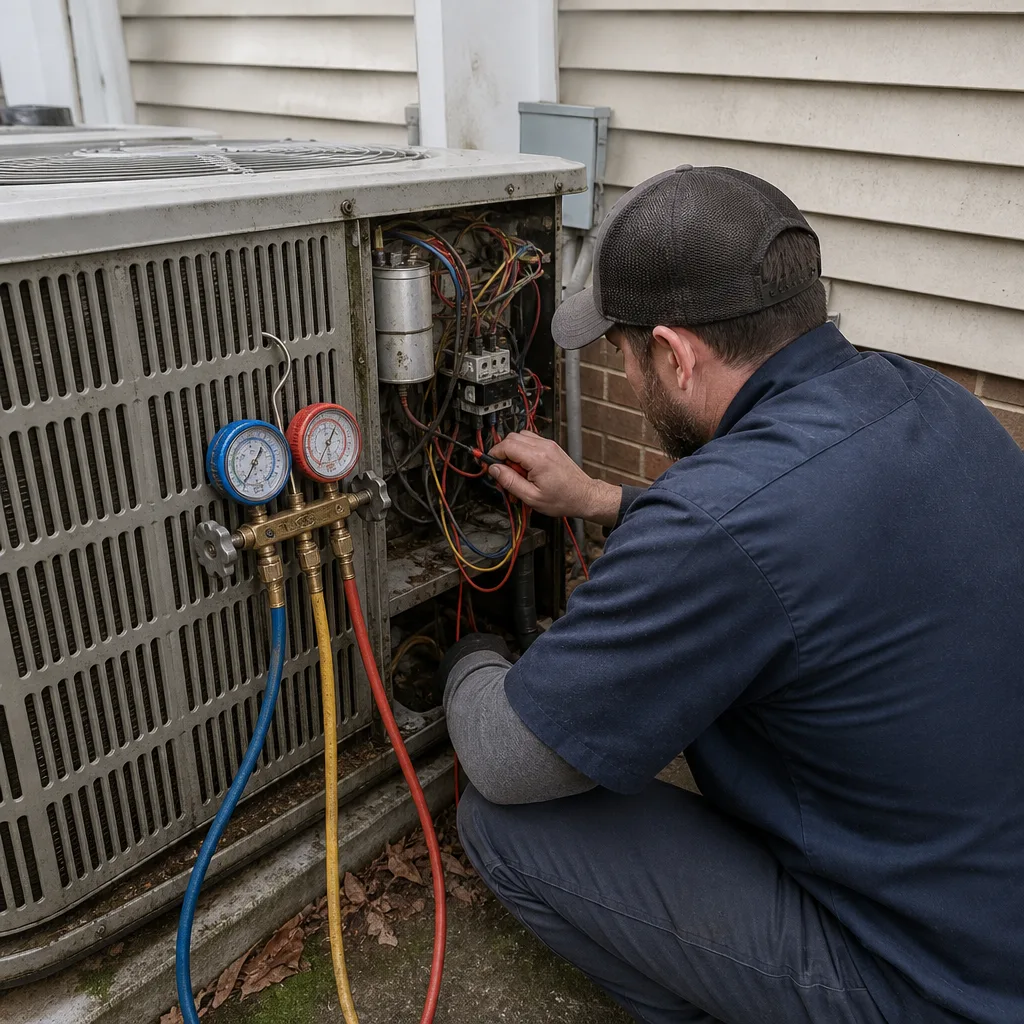 Before
 After
 Before
 After
 Before
 After