
Last updated October 16, 2026
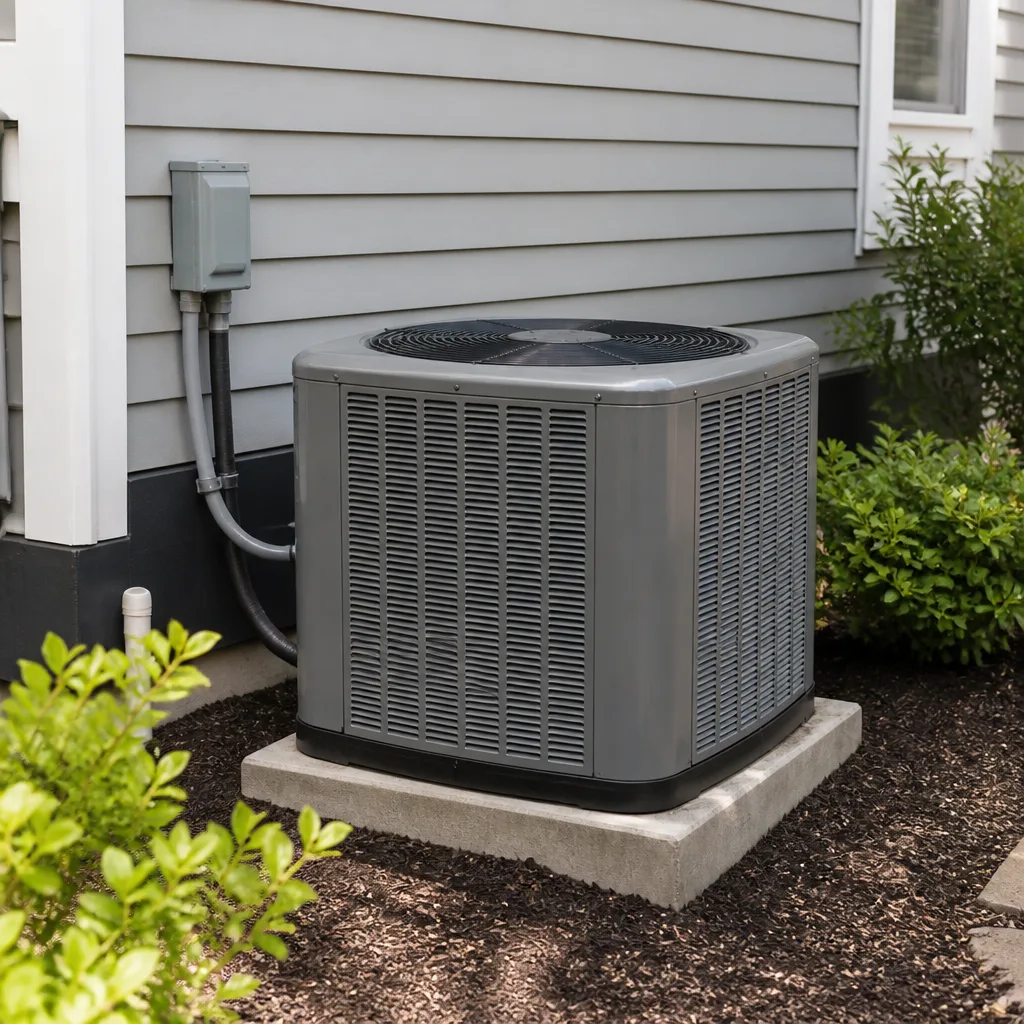 AC repair
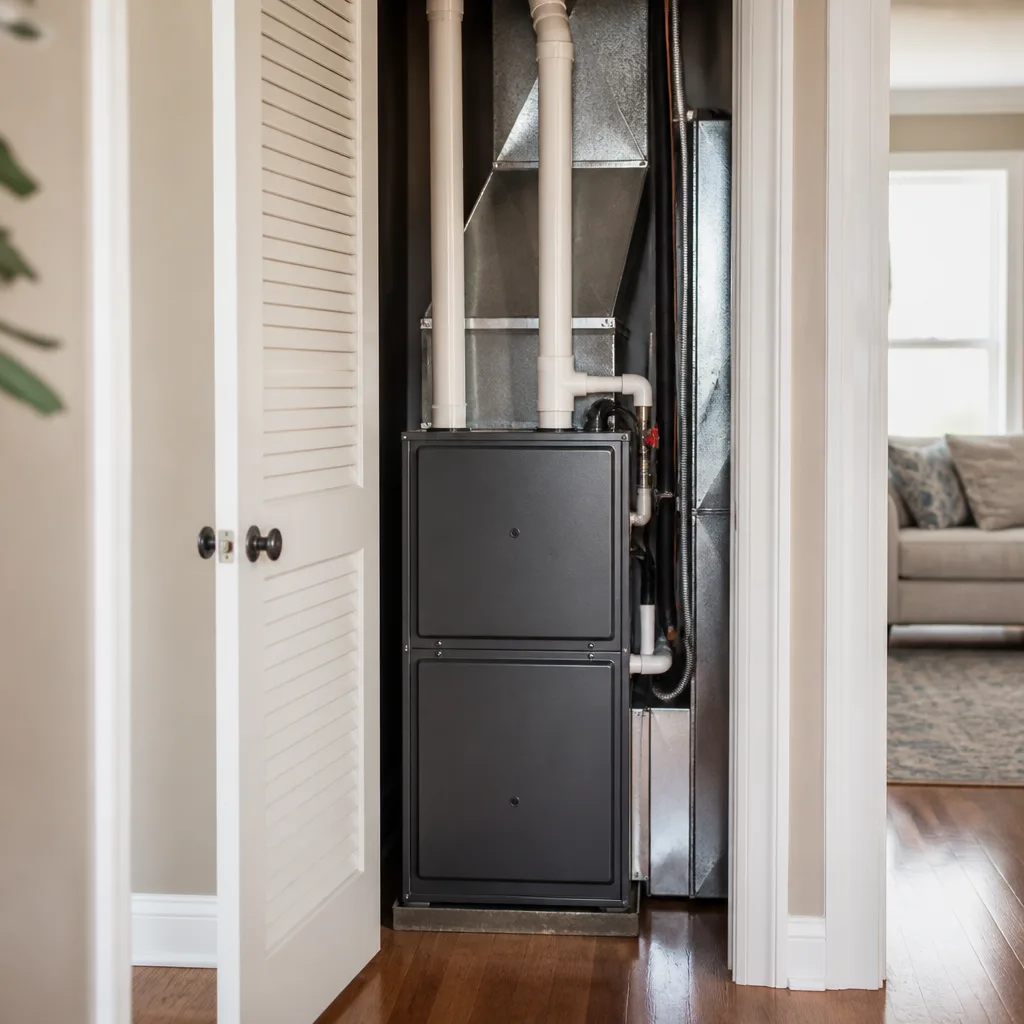 Furnace & heating
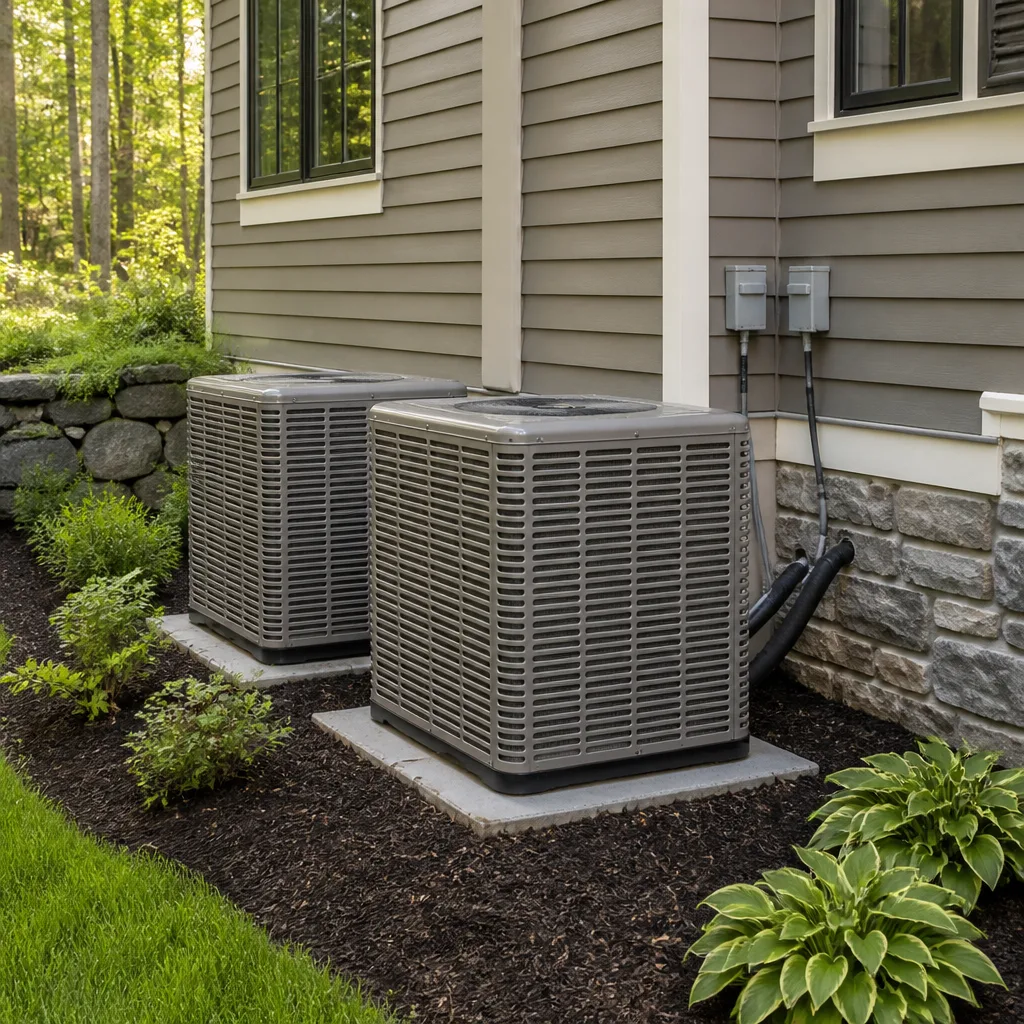 Heat pumps
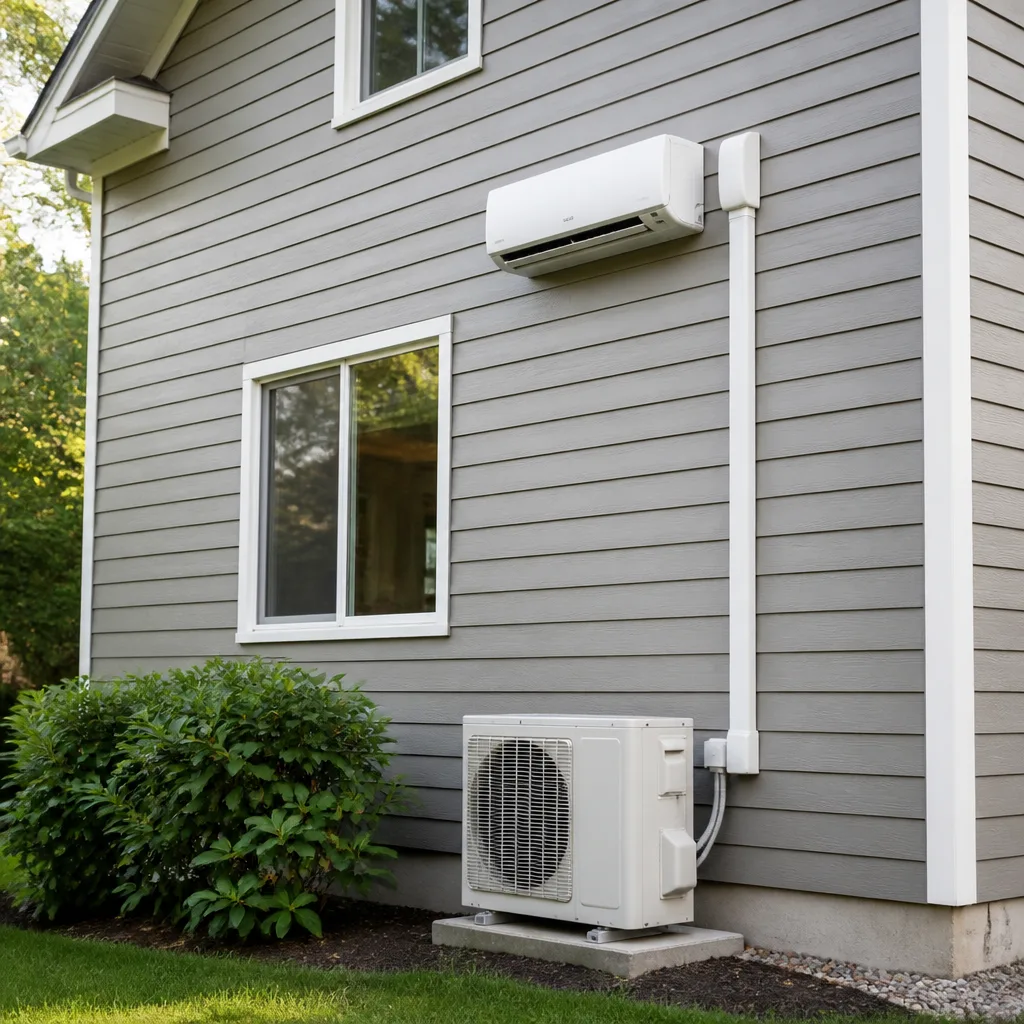 Ductless mini splits
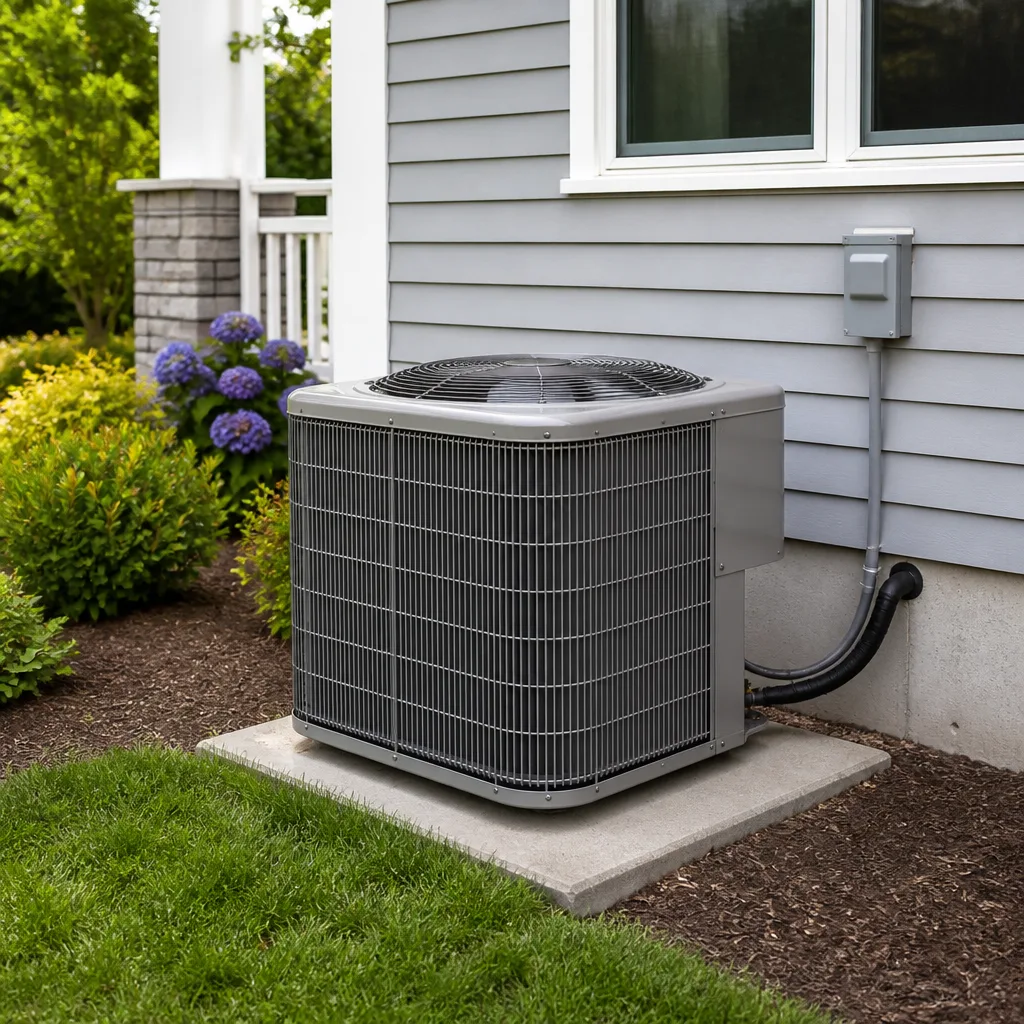 Carrier
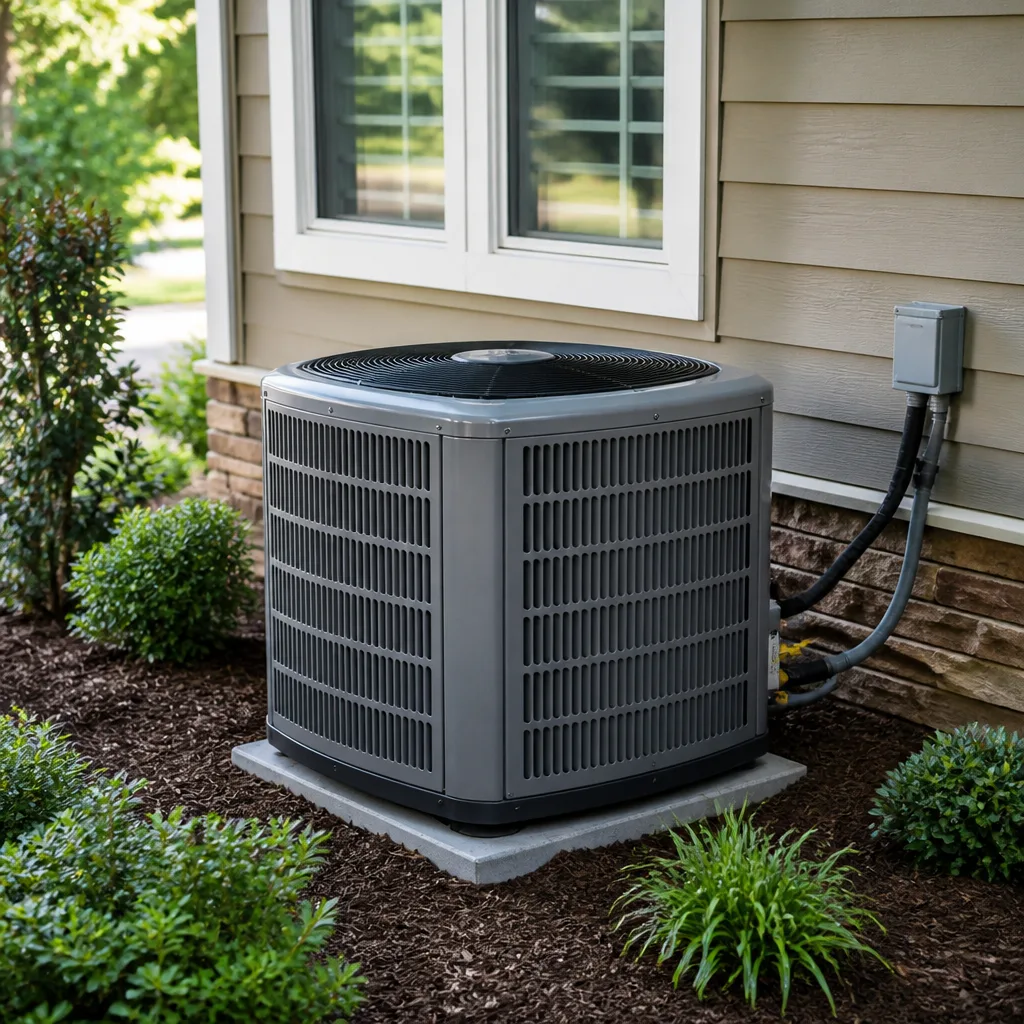 Trane
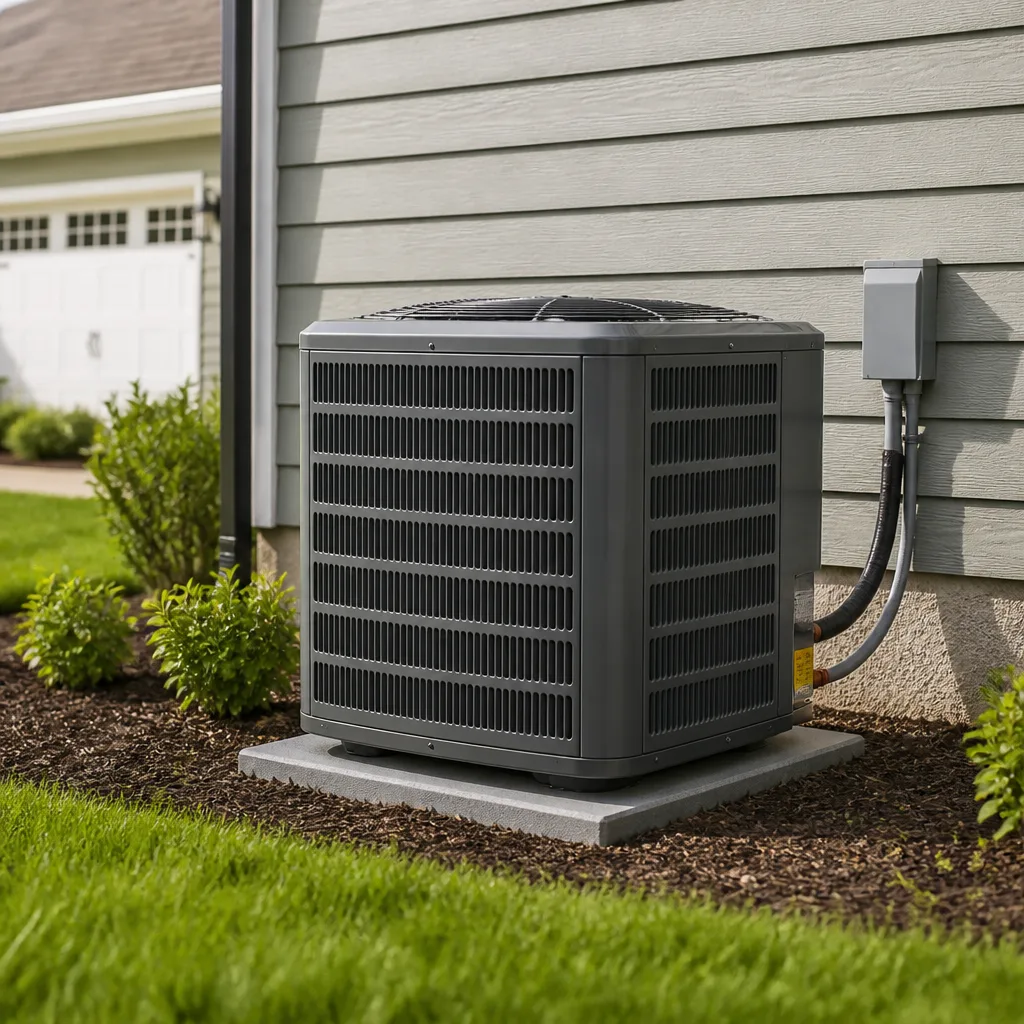 Goodman
Seasonal tune-up and full diagnostic on your Carrier, Trane, or Goodman system - readings shown to you before any repair is proposed
Diagnosis first, numbers second - you approve the repair price before a single part goes in.
Get your free estimateSeasonal HVAC Care for Sandy Springs: Year-Round Homeowner’s Guide
The busiest HVAC repair week in Sandy Springs is almost always the third week of June. It’s not because systems suddenly decide to fail. It’s because February and March maintenance got skipped, and the first 95°F day exposes every deferred problem at once. This guide will give you a maintenance calendar that matches how Sandy Springs weather actually behaves, not a generic four-seasons template. For more context on local systems, see our The Complete Guide to HVAC in Sandy Springs. By the time you finish reading, you’ll know which tasks are time-sensitive, which are flexible, what each season’s work should cost in dollars, and how to protect your floors, your air quality, and your budget through every stretch of Georgia heat and the occasional deep freeze.
Styles & brands we work with
Quick Answer
Seasonal HVAC care in Sandy Springs works best when you follow four maintenance windows: late February (pre-pollen and pre-cooling), late May (pre-humidity), late September (pre-heating), and late November (pre-winter). A standard tune-up in Sandy Springs typically runs $89 to $189 per visit, while skipping spring maintenance can lead to a June repair bill of $300 to $900 that a $120 checkup would have caught. The two tasks with the biggest return are changing filters on a pollen-adjusted schedule and clearing the condensate drain before Memorial Day. For a full task breakdown, download our AC Repair Maintenance Checklist for Sandy Springs Homeowners.
Table of Contents
- The Real Sandy Springs Climate Calendar (Not the Generic One)
- Late February: The Pre-Pollen and Pre-Cooling Window
- The Humidity Crossover Point: Why One Week in May Matters
- Fall Heating Prep Checklist for Sandy Springs Winters
- Filter Schedules and Pollen: Balancing Airflow and Air Quality
- Cost Timing: When Maintenance Is Cheaper and Why
- Common Mistakes to Avoid
- When to Call a Professional
- Frequently Asked Questions
- The Bottom Line
The Real Sandy Springs Climate Calendar (Not the Generic One)
Sandy Springs sits in a humid subtropical zone, but that label hides how uneven the year actually feels. January averages a low of 34°F. July averages a high of 89°F, with humidity that makes it feel like 97°F or higher. Spring is short and pollen-heavy. Fall is pleasant but unpredictable, with sharp temperature swings between Thanksgiving and New Year’s. What this means for HVAC care is simple: the calendar should not be divided into four equal seasons. It should be divided into two long extreme seasons and two short transition windows, and the transition windows are where the real work happens.
The maintenance deadlines that matter in Sandy Springs are:
- Late February: The last stretch before tree pollen peaks and before cooling demand starts in earnest. This is the time for coil cleaning, refrigerant checks, and filter system upgrades.
- Late May: The humidity crossover point. Once outdoor dew points stay above indoor levels, every condensate system and vapor barrier on the property carries extra load.
- Late September: The earliest weeks when a furnace can be inspected and test-fired safely before heating demand returns.
- Late November: The last window for a heating check before nighttime lows drop below 35°F with frequency.
Each of these windows has a dollar consequence for missing it. We’ll walk through each one below. The short version: a $109 May tune-up often prevents a $700 June compressor-related repair, and a $99 September furnace inspection often prevents a $400 December no-heat call. If you want to know more about how our team handles cooling system upkeep specifically, our AC Repair in Sandy Springs page explains what our technicians check during a standard visit.
Late February: The Pre-Pollen and Pre-Cooling Window
By late February in Sandy Springs, the ground is still cool but the tree pollen cycle is about to begin. Oak, pine, and birch pollen typically ramp up through March and stay active through May. Cooling demand doesn’t hit its summer peak until June, but February is the most underrated month for HVAC care because it gives a homeowner time to address cooling issues before the heat and before the pollen load forces the system to work harder.
Here is what to do in the last two weeks of February, in order of importance:
- Replace the air filter with a fresh MERV 8 filter, not a higher-density one. During pollen season, the instinct is to buy the most restrictive filter available. That backfires with most residential systems. A MERV 13 filter in a system designed for MERV 8 can raise static pressure enough to reduce airflow by 15 to 20 percent, which increases runtime and can shorten blower motor life. During pollen season, the better strategy is a fresh MERV 8 filter changed monthly, not a dense filter changed quarterly.
- Clear debris from the outdoor condenser unit. Leaf litter from fall, pine straw, and winter wind debris collect around the base of the unit. A unit perched in a shady Sandy Springs yard with heavy tree cover can accumulate enough material over winter to restrict airflow by the time cooling season starts. Rinse the coil gently with a garden hose after clearing the area. Do not use a pressure washer; the force bends coil fins.
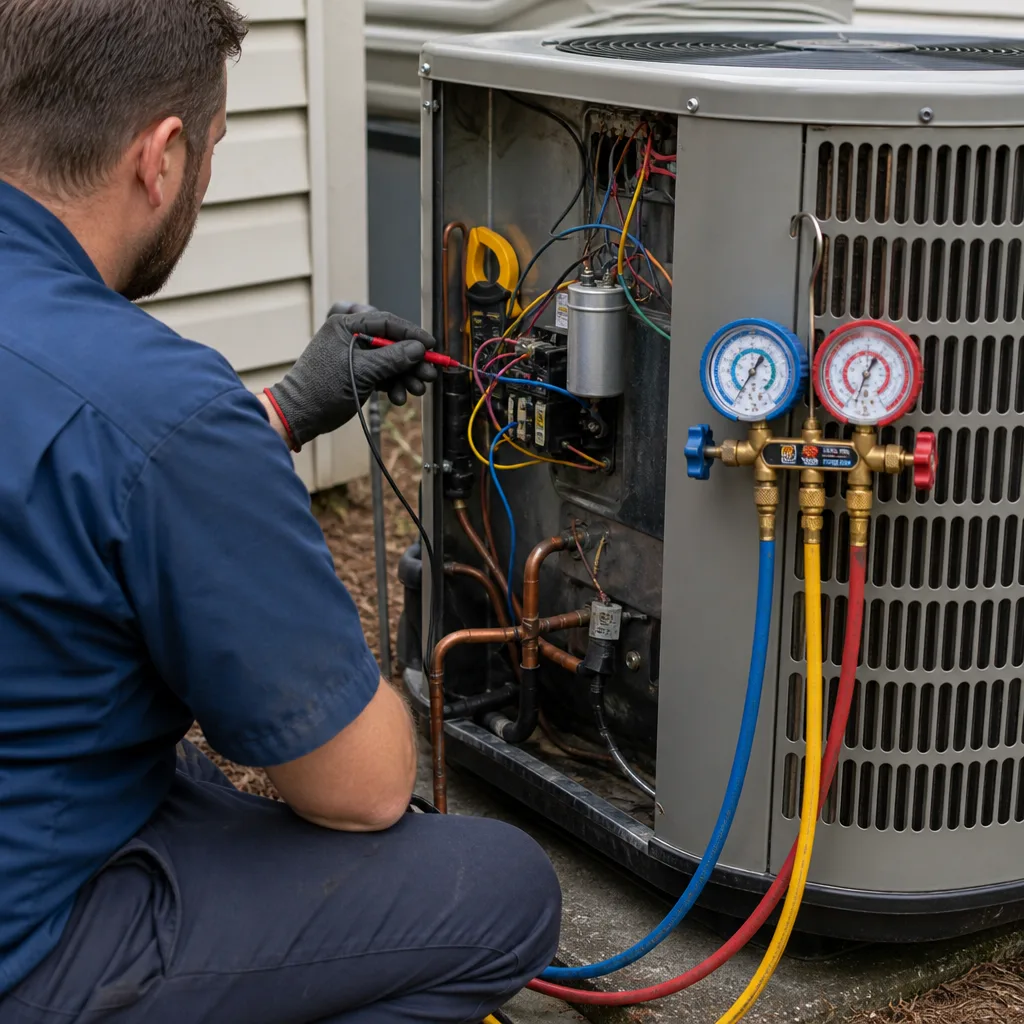
- Test the AC for 10 minutes on a mild day. You’re looking for two things: a consistent 15 to 20 degree temperature drop between the return and supply vents, and a full condensate drain line with no standing water in the drain pan. If the temperature split is weak or the drain pan is wet, call a technician before the first heat wave.
- Check the condensate line for spring algae growth. Condensate lines in Sandy Springs grow algae during the shoulder seasons because the system cycles on and off without running long enough to flush the line. Pouring a cup of white vinegar down the line in February is a cheap preventive practice that takes five minutes.
- Note any refrigerant or performance questions now. A system that is a half-pound low on refrigerant won’t show it on a 70°F day, but it will struggle on a 95°F day. The February window is when a technician can test pressures under low-load conditions and catch a slow leak before it becomes a no-cooling event in July.
In our experience serving Sandy Springs homes, the properties that schedule this February cooling checkup are the ones that don’t show up in the June repair rush. The homes that skip it are the ones we visit on the third week of June. The difference is usually between a $120 maintenance visit and a $450 to $800 emergency repair. If you’d like a technician to walk you through the condition of your system before cooling season, our Meadowsweet Heating and Air Sandy Springs home page has everything you need to schedule a visit.
The Humidity Crossover Point: Why One Week in May Matters
There’s a specific stretch each spring in Sandy Springs when the outdoor dew point begins exceeding the indoor dew point for most of the day. In a typical year, this happens in the third week of May. Before that week, moisture wants to leave the house. After that week, moisture wants to enter it. This is the humidity crossover point, and it has direct implications for three parts of your HVAC system: the condensate drain, the evaporator coil, and the vapor barrier in the crawlspace or attic.
Here’s why the crossover matters in practical terms. When outdoor air is more humid than indoor air, every small air leak in the envelope becomes a moisture pathway. The HVAC system becomes the dehumidifier by default. The evaporator coil removes moisture from the air, and all of that water has to travel through the condensate line to the outside. A sloped or clogged condensate line that worked fine in April will overflow by the first week of June, and you’ll see water staining around the indoor unit or a tripped float switch that shuts the system down entirely.
What to do during the humidity crossover week:
- Inspect the condensate drain and safety float switch. Look for water in the emergency drain pan. If the pan is wet, the primary drain line is restricted. This is the single most common cause of mid-June HVAC shutdowns in Sandy Springs.
- Check the crawlspace or attic vapor barrier, if you have one. A torn or displaced vapor barrier allows ground moisture to rise into the house during the humid months. The HVAC system then has to work harder to remove that moisture from the air, which increases runtime and shortens coil life.
- Run the system in cooling mode for 15 minutes and listen for gurgling. Gurgling at the indoor unit during cooling operation often means the condensate line is partially blocked and air is trapped in the drain. A clear line drains quietly.
- Verify the thermostat’s fan setting. Leaving the fan in the “on” position instead of “auto” during humid months actually makes humidity worse. When the compressor cycles off but the fan keeps running, it blows moisture from the wet coil back into the house. Keep the fan on “auto” from late May through September in Sandy Springs.
The humidity crossover point is the cheapest moment to address moisture problems. The same condensate line that can be cleared in 30 minutes during a late May checkup becomes a no-cooling emergency call in mid-June, when every HVAC company in Sandy Springs is running seven days a week. The cost difference in our experience is typically $120 to $160 for the checkup versus $350 to $500 for an emergency drain clearing plus the service call fee.
Fall Heating Prep Checklist for Sandy Springs Winters
Sandy Springs winters are mild compared to most of the country, but they are not predictable. The same December can deliver a 65°F week and a night in the low 20s. Gas furnaces that sit idle from April through October need a specific set of checks before the first cold snap. The right time to do this is late September or early October, when the system is still dormant but accessible, and before any heating demand creates time pressure. Not sure whether to DIY or call a pro? Read our DIY vs Professional HVAC: The Sandy Springs Homeowner’s Decision Guide.
Here is the fall heating prep checklist we recommend for Sandy Springs homeowners:
- Inspect and if needed clean the furnace burners. Dust and debris accumulate on burners during the off-season. Dirty burners produce an irregular flame, which reduces heating efficiency and increases carbon monoxide risk. This is not a DIY task. A technician uses a combustion analyzer to verify safe operation after cleaning.
- Test the heat exchanger for cracks. A cracked heat exchanger is the most serious furnace issue because it can release combustion gases into the home. The visual inspection and flame-pattern test takes about 20 minutes and should happen every fall before continuous heating use begins.
- Verify the inducer motor and pressure switch cycling. These components fail gradually. A furnace that starts with a delayed or rumbling inducer may still heat the house, but the pressure switch will eventually prevent ignition. Catching it in October means a scheduled repair; catching it on the first 28°F night means an emergency call.
- Check the thermostat recovery settings. If you use a setback thermostat, the furnace should be able to recover from a nighttime setback without running for more than 45 minutes. Long recovery times in a Sandy Springs winter usually point to an airflow or burner-efficiency issue, not a thermostat issue.
- Inspect the flue and vent connections. High-efficiency furnaces vent through PVC pipes, and those pipes can get blocked by birds’ nests, leaves, or, in some Sandy Springs neighborhoods, kudzu overgrowth. A blocked flue will cause the furnace to shut down on safety limits and may require a service call to diagnose.
The furnace work we do at Meadowsweet always includes a written price before any work starts, and our technicians follow a C.A.R.E. values code on every visit: Clean up like it’s their own home, Ask before moving anything, Respect the family’s time and quiet hours, and Explain the price before the work. You can read more about how we handle heating system repairs on our Furnace Repair in Sandy Springs page. If your furnace is older and you’re considering replacement before winter, AC Installation in Sandy Springs covers how we approach full-system installs and what they typically cost.
Filter Schedules and Pollen: Balancing Airflow and Air Quality
Sandy Springs has one of the most intense tree pollen seasons in the Atlanta metro area. The pollen starts with cedar and elm in February, peaks with oak and pine from late March through April, and lingers with grass pollen through May. For homeowners, this creates a balancing act: you want to catch as much pollen as possible to keep your indoor air clean, but you also can’t sacrifice airflow with a filter that’s too restrictive for your system.
Here’s what our technicians recommend for Sandy Springs homes:
- Use a MERV 8 filter during pollen season and change it monthly from February through May. A MERV 8 pleated filter catches pollen, dust mites, and mold spores without significantly restricting airflow in most residential systems. Upgrade to MERV 11 only if your system is less than 10 years old and was designed for the higher resistance. Never install a MERV 13 filter in a system that wasn’t specified for it.
- Inspect the filter monthly, even when you don’t change it. During the peak oak and pine weeks in Sandy Springs, a filter can look dark after two weeks. You don’t need to replace it that often, but you should know how quickly it’s loading so you can adjust the schedule.
- Clean the return grille and the area around it. Pollen settles on the return grille surface. Vacuum the grille cover when you change the filter. This keeps the airflow path clean and reduces the dust that redeposits on floors and furniture.
- If you have pets, check the filter more often. Pet dander combines with pollen to load filters faster. A home with two dogs and oak trees in the yard may need a filter change every three weeks during April and May, while a pet-free home can go five to six weeks.
- After pollen season ends in late May, switch to a standard 60-to-90-day filter replacement schedule. Continued monthly replacements through the summer aren’t necessary for most homes, and they add cost without adding measurable air quality benefit.
The filter is the simplest item on this entire guide, and also the one most commonly ignored. A dirty filter reduces airflow, which raises cooling costs, shortens blower life, and encourages evaporator coil icing. The fix costs $8 to $20 per filter. The consequences of ignoring it can cost $400 or more in repair work.
Cost Timing: When Maintenance Is Cheaper and Why
HVAC maintenance pricing in Sandy Springs follows the demand curve of the weather. The same service that costs $99 in October can cost $149 or more by late May, and a repair that costs $350 in November can cost $600 during a July heat wave. Understanding this cycle lets you plan the cheap windows and avoid the expensive ones.
Here’s how the timing breaks down:
- October through November: cheapest maintenance window. Cooling demand has dropped, heating demand hasn’t spiked yet, and HVAC companies have open schedules. This is the best time to book a furnace inspection, schedule a coil cleaning, or have a diagnostic done on any lingering cooling issues from the summer. Typical maintenance visit cost during this window: $89 to $129.
- December through February: moderate for heating work. The first cold snap in Sandy Springs usually arrives in December, and heating service calls start to climb. By late January, furnace repair availability tightens. If you can address a heating issue before the first night below 35°F, you’ll pay less in labor and you’ll have more scheduling flexibility.
- March through April: moderate for cooling work. The pre-summer window offers reasonable pricing for AC tune-ups and minor cooling repairs. The best move is a full cooling checkup in March. If you wait until May, you’re competing with everyone else who waited.
- May through September: highest prices for cooling work. By Memorial Day weekend, AC service demand in Sandy Springs is at its annual peak. Emergency calls, overtime rates, and parts shipping all cost more. The same capacitor replacement that runs $220 in March can run $350 or more during a July emergency, mostly because the service call fee and labor rates rise with demand.
| Task | Lowest-Cost Window | Typical Cost Range | Peak-Season Cost Range |
|---|---|---|---|
| Standard AC tune-up | March – April | $89 – $129 | $129 – $189 |
| Condensate drain clearing | Late May checkup | $120 – $160 (included with tune-up) | $350 – $500 (emergency) |
| Furnace inspection | October – November | $89 – $129 | $149 – $199 |
| Capacitor replacement | March – April | $180 – $260 | $280 – $400 |
| Refrigerant leak repair and recharge | February – March | $400 – $900 | $600 – $1,400 |
These ranges reflect what we see across Sandy Springs homes. The single most reliable way to avoid the peak-season premium is to book your cooling check in late February or March and your heating check in October. The cost difference between the cheap window and the expensive window on the two annual checkups alone can be $80 to $140. The difference on a single emergency repair is often several hundred dollars.
Common Mistakes to Avoid
- Skipping the February cooling checkup because “the AC worked fine last summer.” Systems in Sandy Springs degrade during the short winter months, not just during use. A small refrigerant leak or a condensation problem that builds over the winter becomes a June emergency by the time it shows symptoms. The February check is cheap insurance against the busiest service week of the year.
- Installing the highest-MERV filter available without checking system compatibility. A MERV 13 filter in a system not designed for it can reduce airflow enough to cause coil freezing, blower motor strain, and higher energy bills. Match the filter to the system, not to the pollen count.
- Running the fan on “on” during humid months. This is the most common setting mistake we see in Sandy Springs homes. The “on” setting continuously blows air across a wet coil after the compressor cycles off, re-evaporating moisture back into the house. Keep the fan on “auto” from May through September.
- Waiting until October to address a cooling issue you noticed in August. September is a popular month for outdoor projects, and the mild weather makes it easy to forget that the AC needs attention. If the system cooled poorly in August, the issue will be worse next June, not better.
- Skipping the annual condensate drain check. A clogged condensate line is the number one cause of mid-summer no-cooling calls in Sandy Springs. The fix before the humidity crossover in late May takes 15 minutes. The fix after a float switch trips in July requires an emergency service call.
- Treating fall heating prep as optional because “it doesn’t get that cold here.” Sandy Springs sees enough nights below 32°F to stress a furnace that has been idle for six months. The mild climate postpones heating demand, but it doesn’t prevent components from corroding, accumulating dust, or failing during the off-season.
- Going by a 90-day filter schedule year-round. In Sandy Springs, a 90-day replacement schedule only works from June through September, when the pollen load is lowest. From February through May, monthly replacement is the correct guidance for most homes with outdoor pollen exposure.
When to Call a Professional
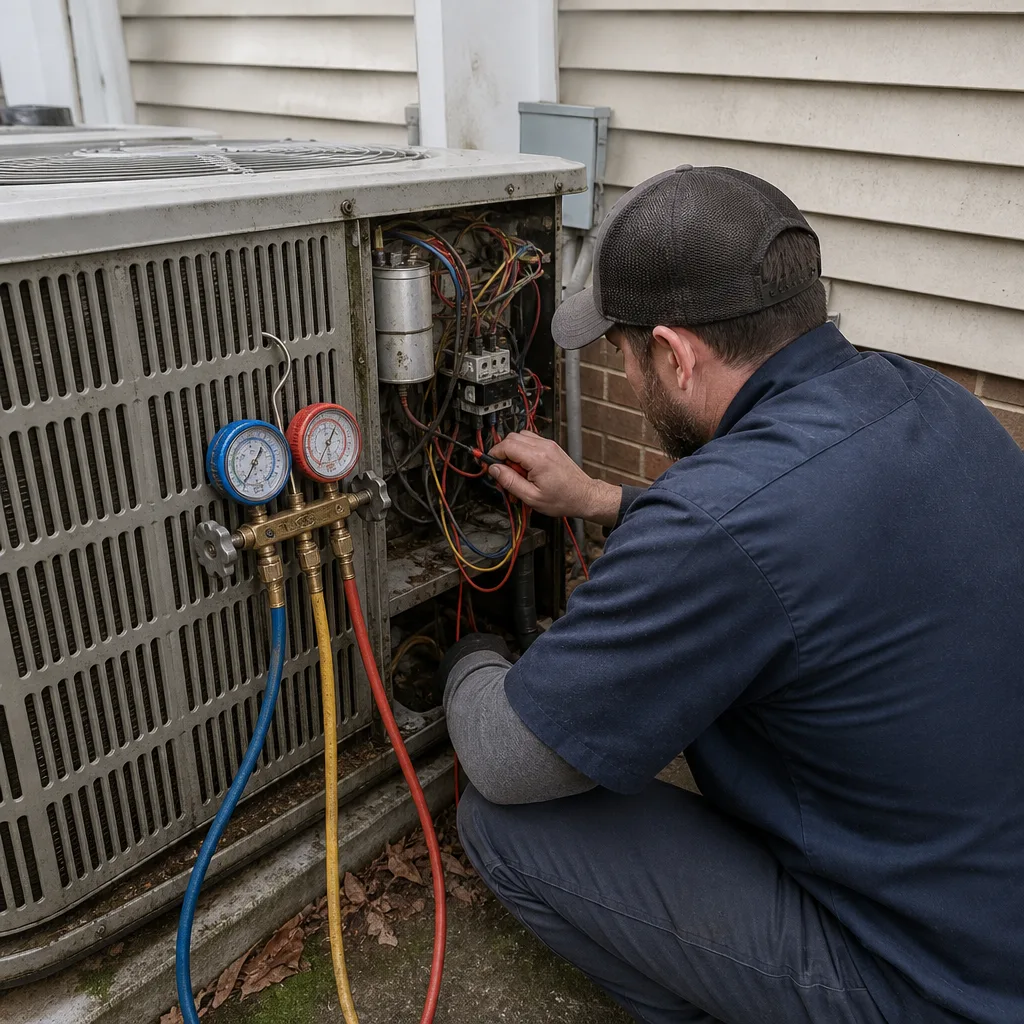
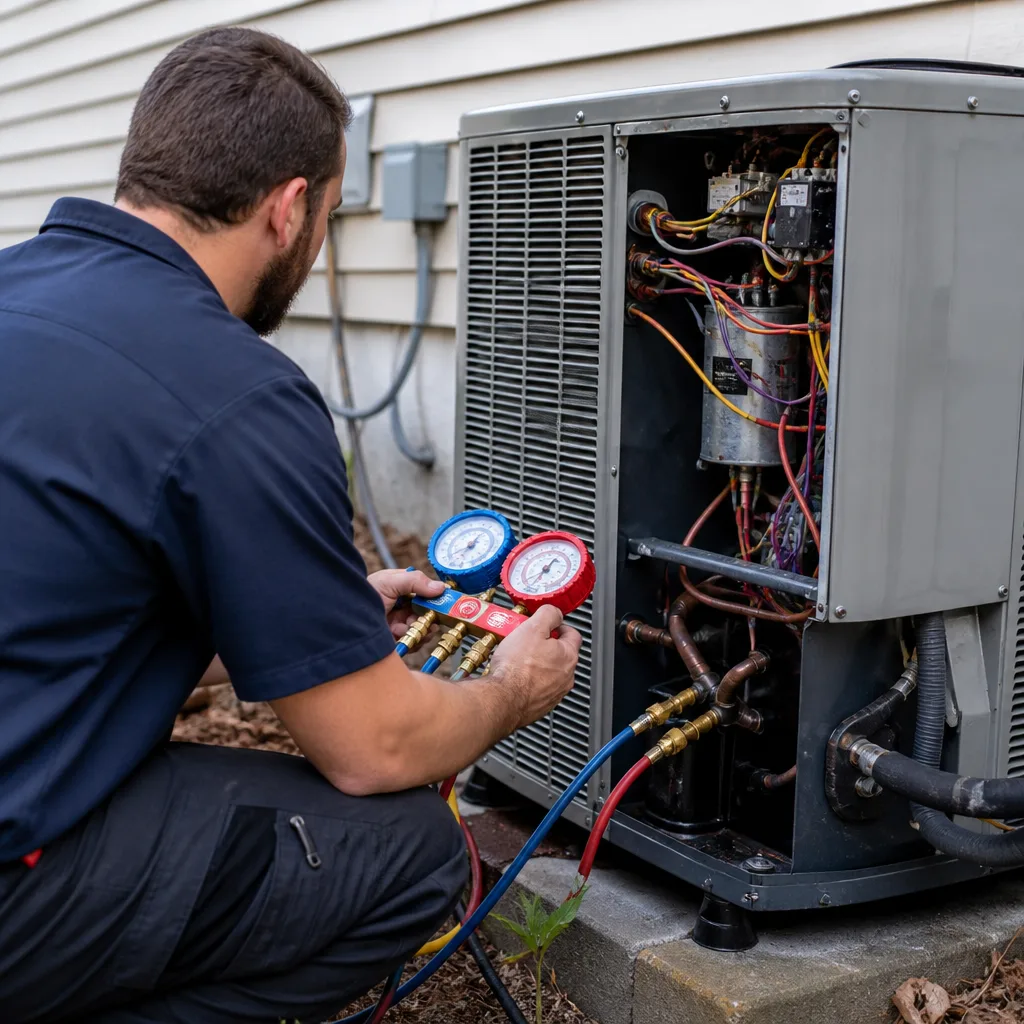
Some tasks in this guide are safe to handle yourself: replacing a filter, checking the thermostat fan setting, pouring vinegar down a condensate line, rinsing the outdoor unit with a garden hose. Others require training and tools. If you hear grinding, screeching, or banging from the indoor or outdoor unit, don’t run the system and don’t open the cabinet – call a technician. If you smell burning or the odor of gas near the furnace, shut the system off at the thermostat and call immediately. If the system runs but can’t maintain a reasonable temperature difference, the issue is usually refrigerant-related or airflow-related and requires gauges and a manifold, not a bottle of coil cleaner. Meadowsweet Heating and Air Sandy Springs offers free estimates in Sandy Springs – call (229) 490-2049 and a live person will answer, day or night.
Frequently Asked Questions
Seasonal HVAC maintenance in Sandy Springs typically costs $89 to $189 per visit, depending on the season and the system type. A combined annual plan covering one cooling checkup and one heating checkup usually runs $180 to $300 total. The cheapest booking windows are March through April for cooling and October through November for heating. Call (229) 490-2049 for an exact quote – our estimates are free, and we provide a written price before any work starts.
You can skip it, but you’re gambling against the single busiest repair week in Sandy Springs. The systems that fail in mid-June are overwhelmingly the ones that skipped their spring checkup. A $99 to $129 March tune-up catches slow refrigerant leaks, clogged condensate lines, and weak capacitors before they become $400 to $900 emergency repairs.
Use a MERV 8 pleated filter and replace it monthly from February through May. A MERV 8 catches pollen, dust mites, and mold spores without restricting airflow in most residential systems. Higher MERV ratings trap more particles, but they also increase static pressure, which can strain the blower motor and reduce overall system performance.
The humidity crossover point in Sandy Springs usually lands in the third week of May. That’s the week when outdoor dew points begin staying higher than indoor levels for most of the day. It’s the right moment to check the condensate drain, inspect any crawlspace vapor barrier, and verify the thermostat fan is set to “auto” instead of “on.”
Change it monthly from February through May during tree and grass pollen season, and every 60 to 90 days from June through January. Homes with pets or heavy tree cover may need to change filters every three weeks in April and May. The filter is the cheapest preventive maintenance you’ll ever do, and the consequences of ignoring it start at $400 in repair work.
If your system is more than 15 years old, uses R-22 refrigerant, or needed multiple repairs during the last cooling season, replacement is usually the better long-term decision. A new system from brands like Carrier, Trane, or Bryant typically costs $6,000 to $14,000 installed in Sandy Springs depending on size and efficiency. Our AC Installation in Sandy Springs page walks through pricing and options, and we provide a written fixed price before the work starts.
The Bottom Line
Sandy Springs doesn’t have four equal seasons, and your HVAC care calendar shouldn’t pretend it does. The climate delivers two long extremes and two short transition windows, and the transition windows are where the real money is saved or lost. Book your cooling checkup in late February or March, address condensate and vapor barrier issues during the humidity crossover week in late May, prep the furnace in late September or October, and replace filters monthly through pollen season. The total cost for all four seasonal touchpoints on a typical Sandy Springs home runs $200 to $350 per year. The alternative is a third-week-of-June emergency call that starts at $400 and climbs from there. Call Meadowsweet Heating and Air Sandy Springs at (229) 490-2049 for a free estimate on any seasonal maintenance or repair work, and a live person will answer.
Written by Luis Serrano, Owner at Meadowsweet Heating and Air Sandy Springs, serving Sandy Springs since 2004. Browse more guides & resources on our blog.
See the difference
 Before
 After
 Before
 After
 Before
 After