
Last updated October 16, 2026
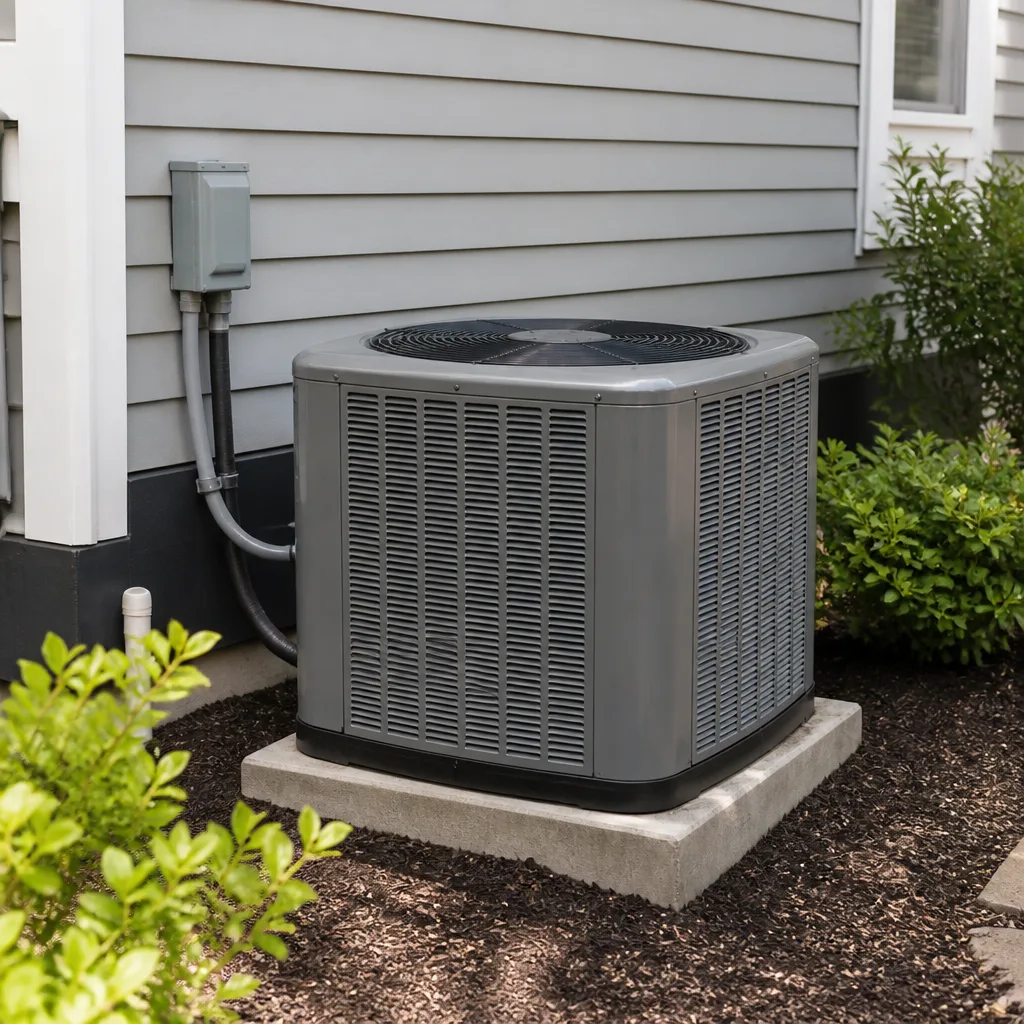 AC repair
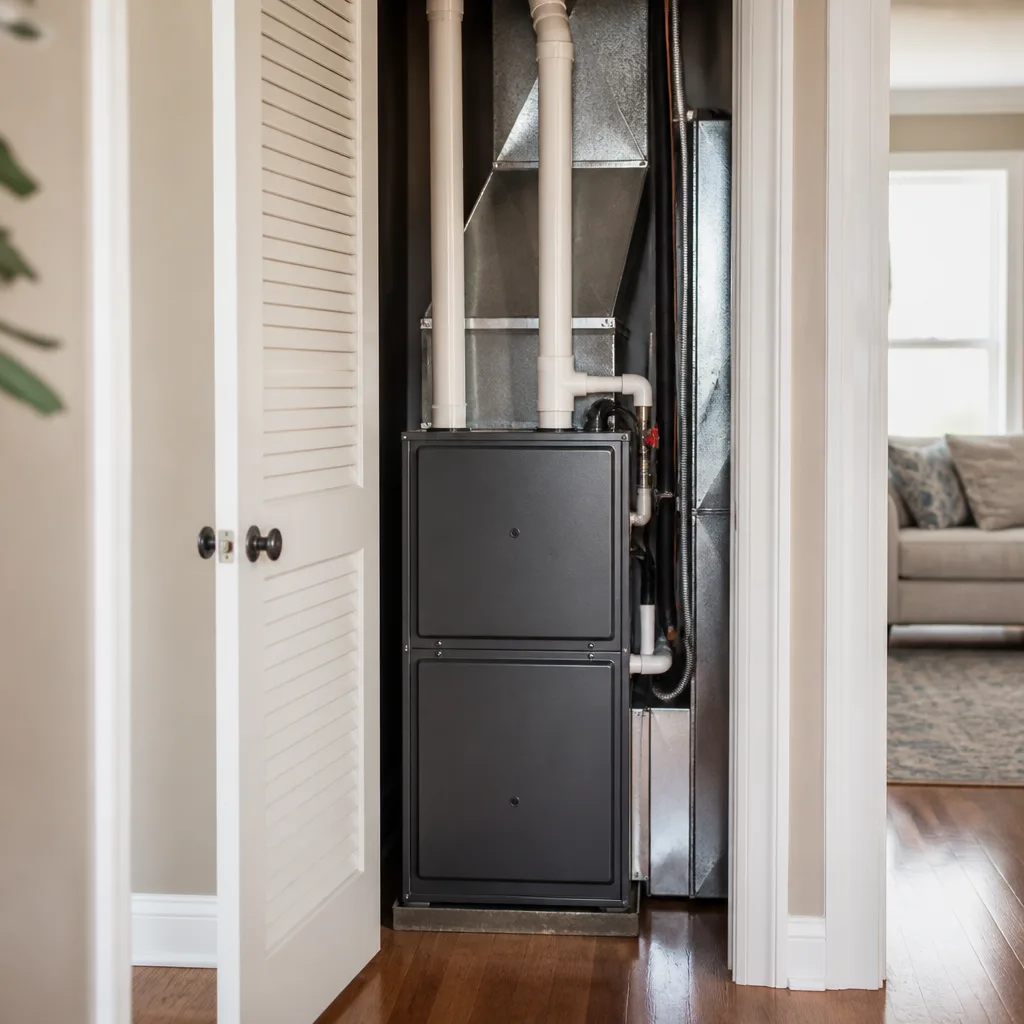 Furnace & heating
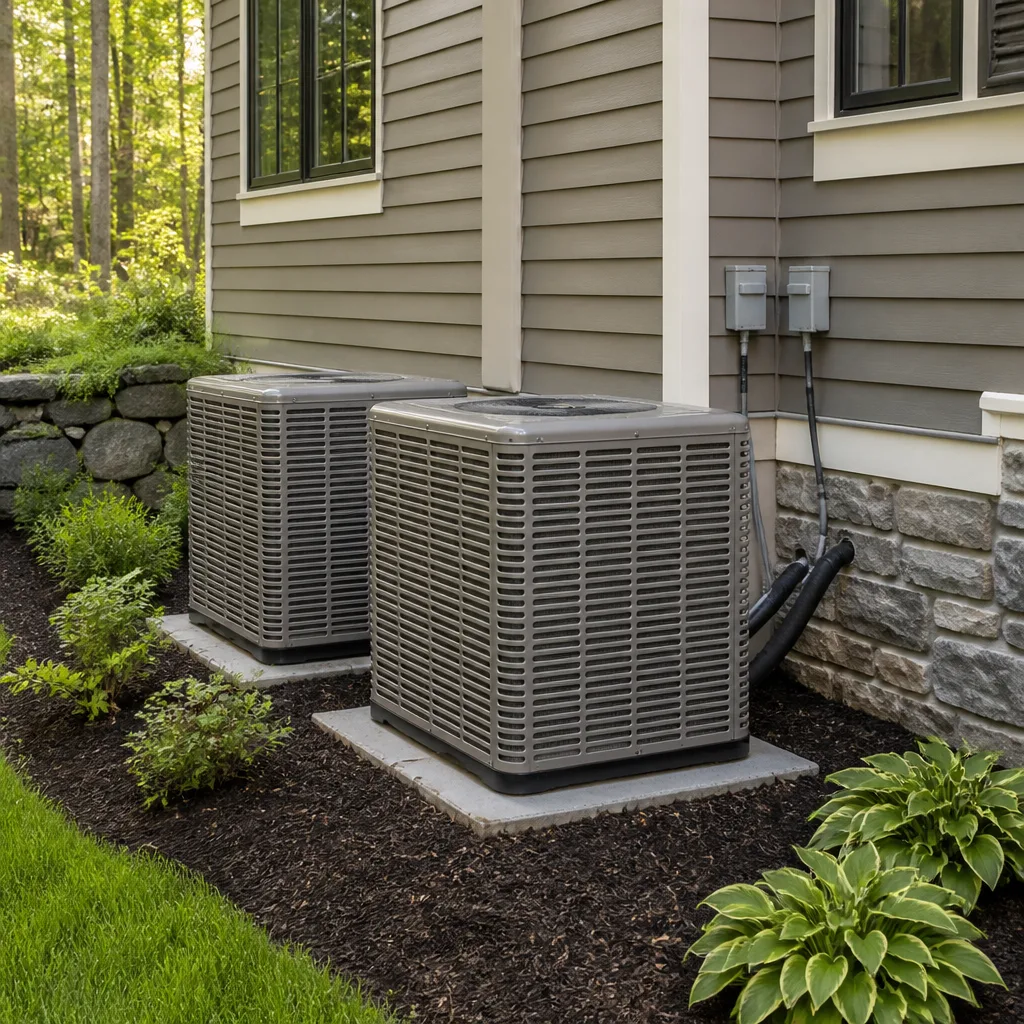 Heat pumps
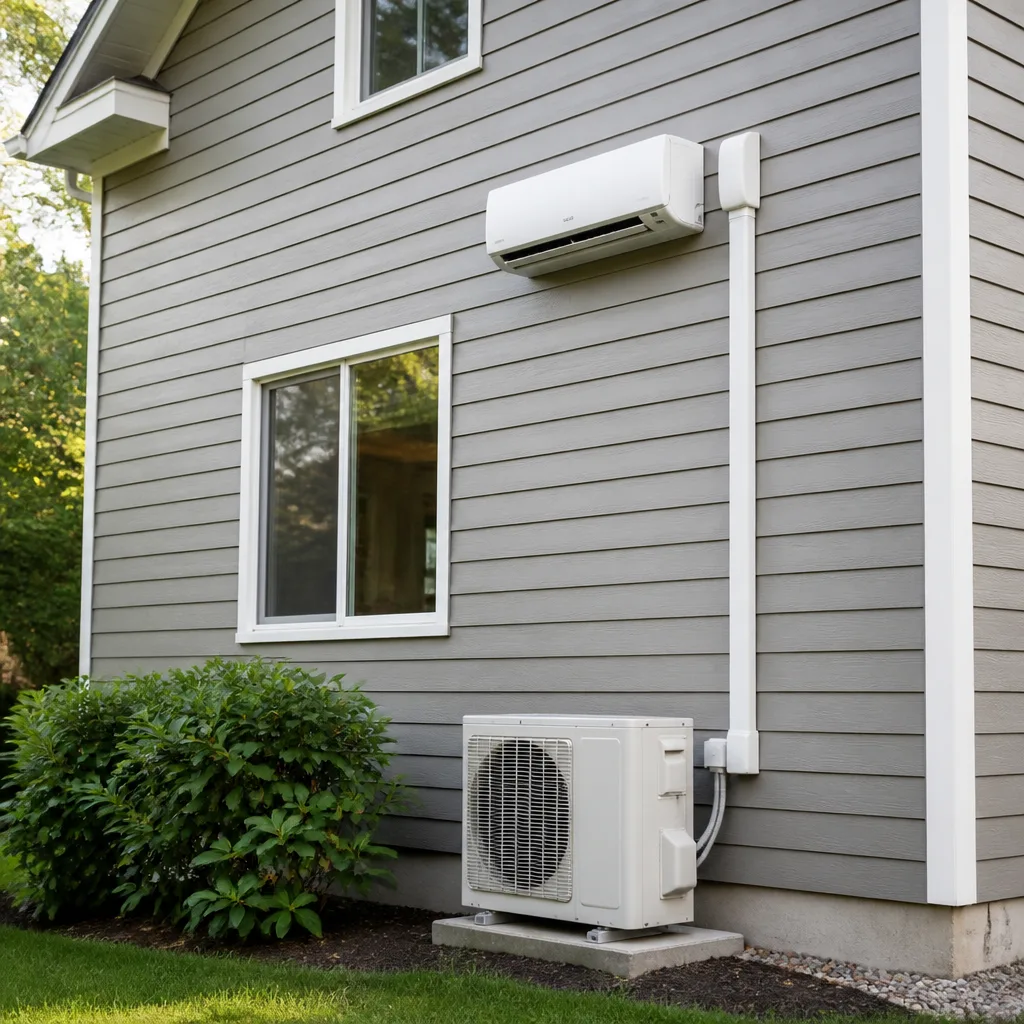 Ductless mini splits
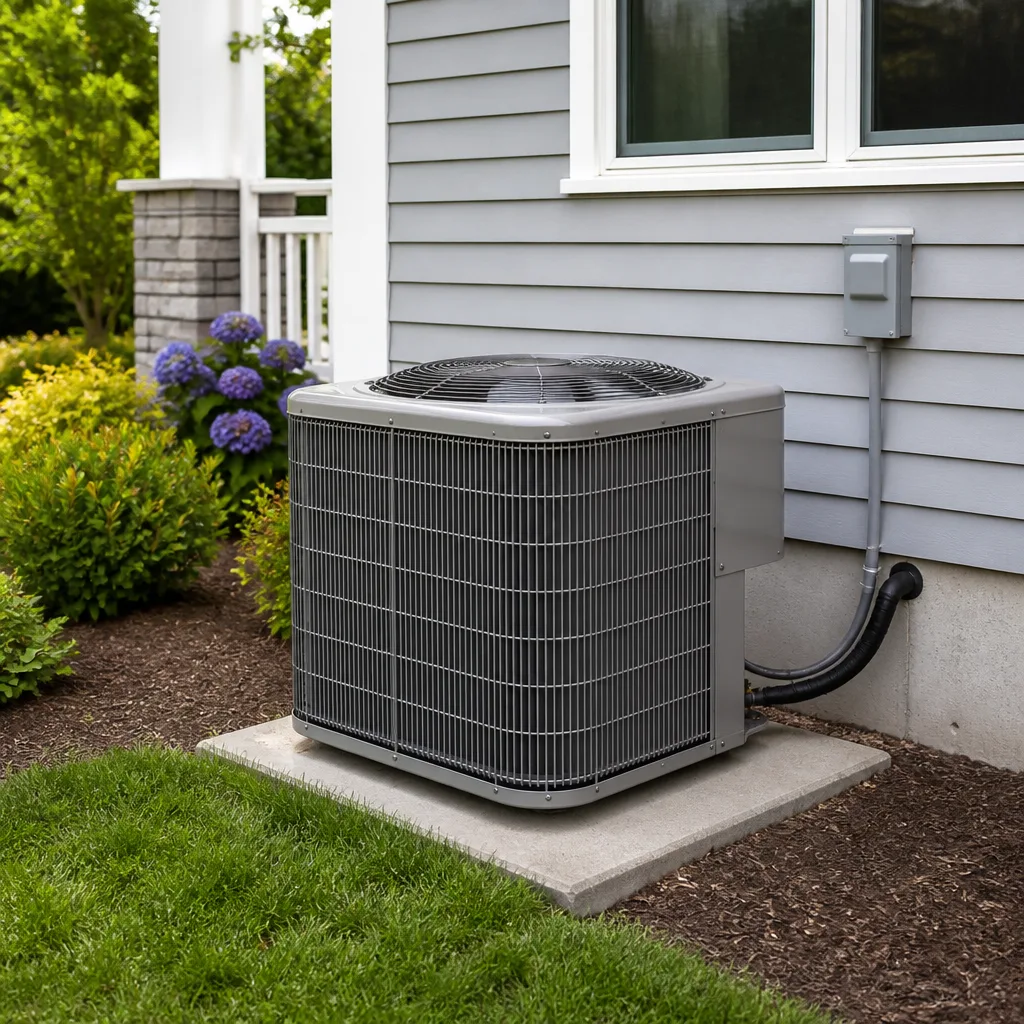 Carrier
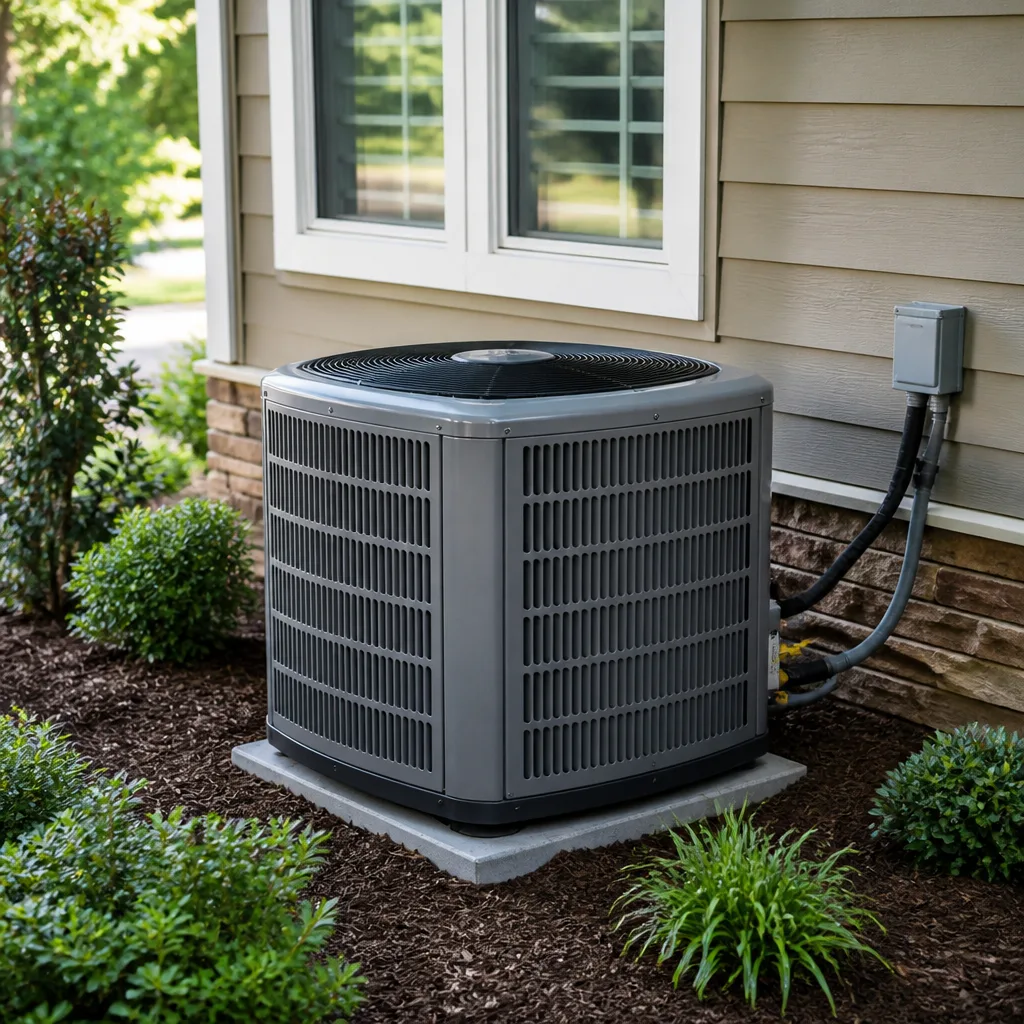 Trane
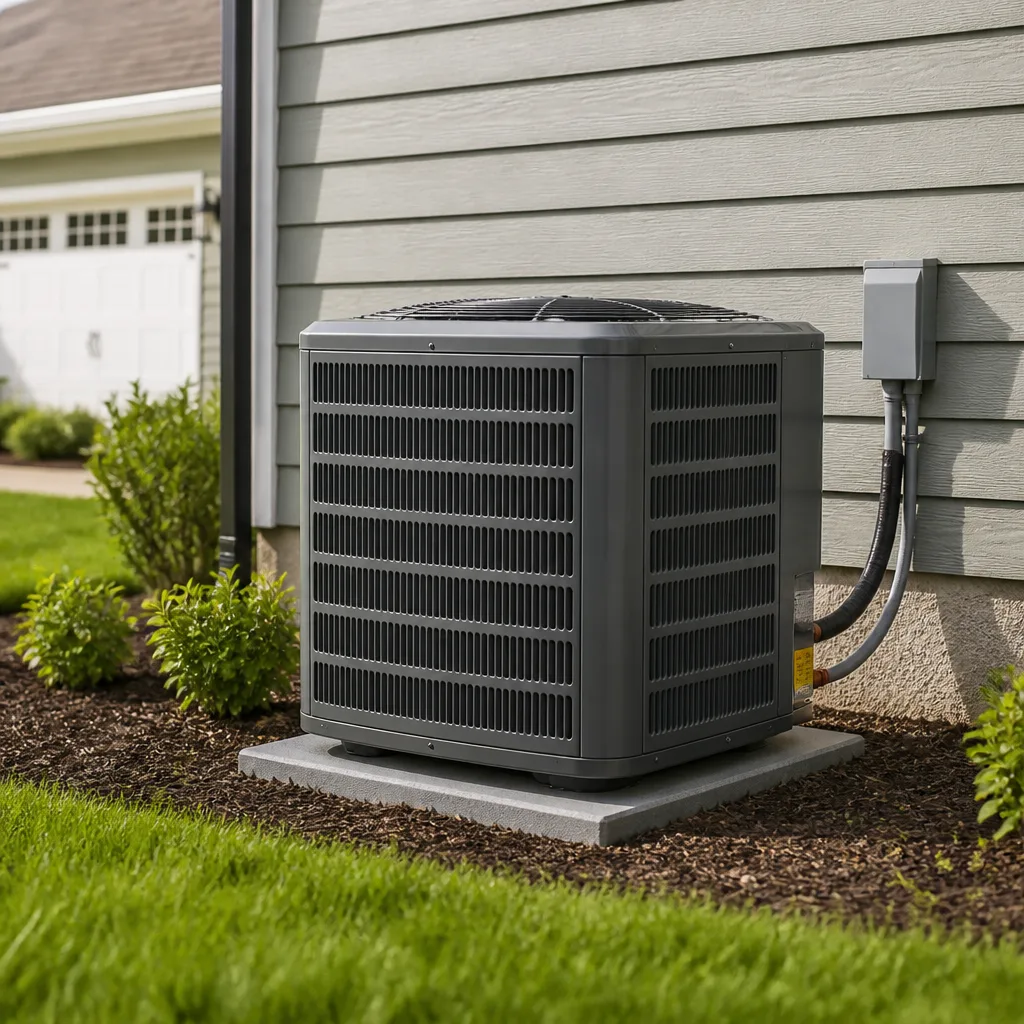 Goodman
Seasonal tune-up and full diagnostic on your Carrier, Trane, or Goodman system - readings shown to you before any repair is proposed
Diagnosis first, numbers second - you approve the repair price before a single part goes in.
Get your free estimateDIY vs Professional HVAC: The Sandy Springs Homeowner’s Decision Guide
Replacing your own air filter is legal, smart, and costs $8 to $25. Topping off your own refrigerant is a federal crime carrying fines up to $44,539 per day. Both tasks look equally approachable on YouTube, and that’s exactly what makes the DIY HVAC landscape in Sandy Springs so dangerous. This guide draws the legal line between what you can safely do yourself and what must be handed to a licensed technician, with the real dollar cost of crossing it. By the time you finish reading, you’ll know which tasks protect your wallet, which ones protect your warranty, and which ones keep you out of legal trouble in Georgia.
Quick Answer
In Sandy Springs, Georgia, homeowners can legally handle basic HVAC maintenance like filter changes, thermostat battery swaps, condensate drain flushing, and keeping outdoor units clear of debris. Anything involving refrigerant, electrical wiring to the equipment, or gas line connections requires a state-licensed HVAC contractor. The financial risk of crossing that line isn’t just about the repair itself: a single DIY mistake can void a manufacturer warranty, trigger thousands in fines, and leave you without heat or cooling during Sandy Springs’ muggy July afternoons or January cold snaps.
Styles & brands we work with
Table of Contents
- The Legal Line in Georgia: What You Can and Cannot Touch
- Warranty-Voiding Triggers: The Fine Print Nobody Reads
- Thermostat Replacement: The True Cost Comparison
- The Condensate Drain Flush: The One DIY Task Worth Doing
- Documenting Your DIY Work for Insurance and Home Sale
- Why Sandy Springs Weather Changes the DIY Equation
- Common Mistakes to Avoid
- When to Call a Professional
The Legal Line in Georgia: What You Can and Cannot Touch
Georgia law under O.C.G.A. Title 43, Chapter 14 establishes a clear boundary between what a homeowner may do and what requires a licensed conditioned air contractor. The distinction matters because the state enforces it through fines, not warnings. Here’s where Sandy Springs homeowners stand:
Legal for Homeowners (No License Required)
- Air filter replacement: You can swap out your own filter every 30 to 90 days. This is flatly encouraged by every manufacturer and costs between $8 and $25 depending on filter grade.
- Thermostat battery replacement: Opening the thermostat cover and swapping AA or AAA batteries is fine, provided you don’t rewire anything.
- Condensate drain line flushing: Pouring vinegar or warm water through the drain line access point is legal, safe, and prevents the most common service call we see in Sandy Springs during summer.
- Outdoor unit cleaning: Removing leaves, grass clippings, and dirt from around the condenser coil using a garden hose on a gentle setting is legal. You’re cleaning the exterior; you’re not opening the cabinet.
- Breaker reset: Flipping your HVAC breaker back on after a trip is legal and safe, though repeated trips suggest an electrical problem that needs a professional diagnosis.
Requires a Licensed HVAC Contractor in Georgia
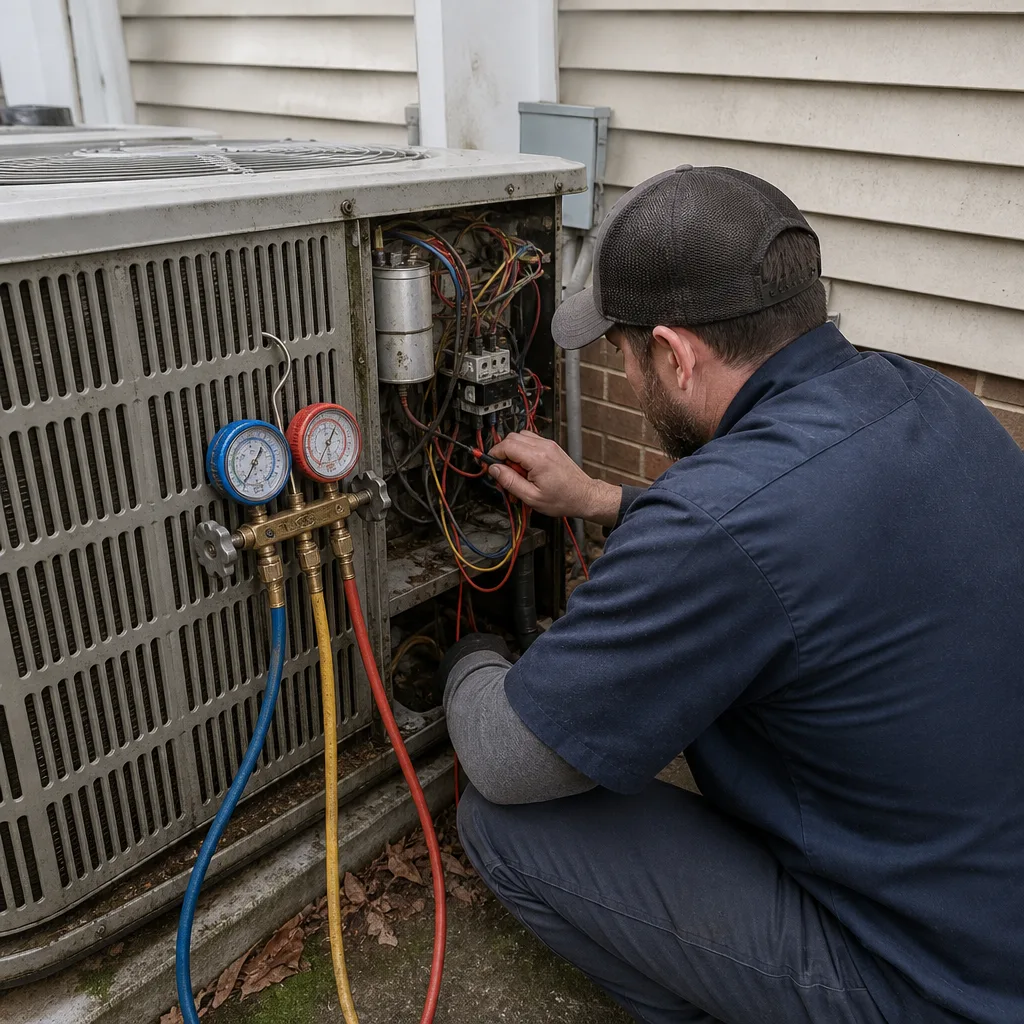
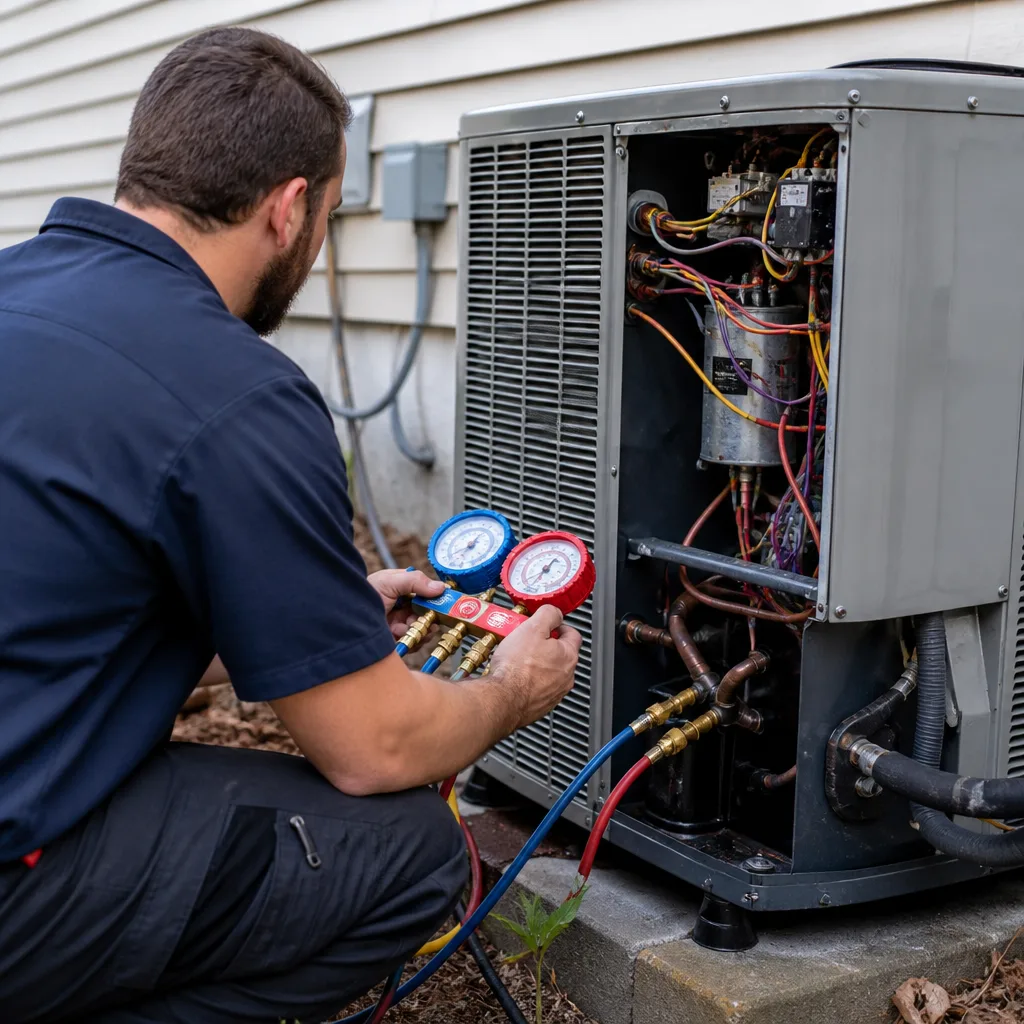
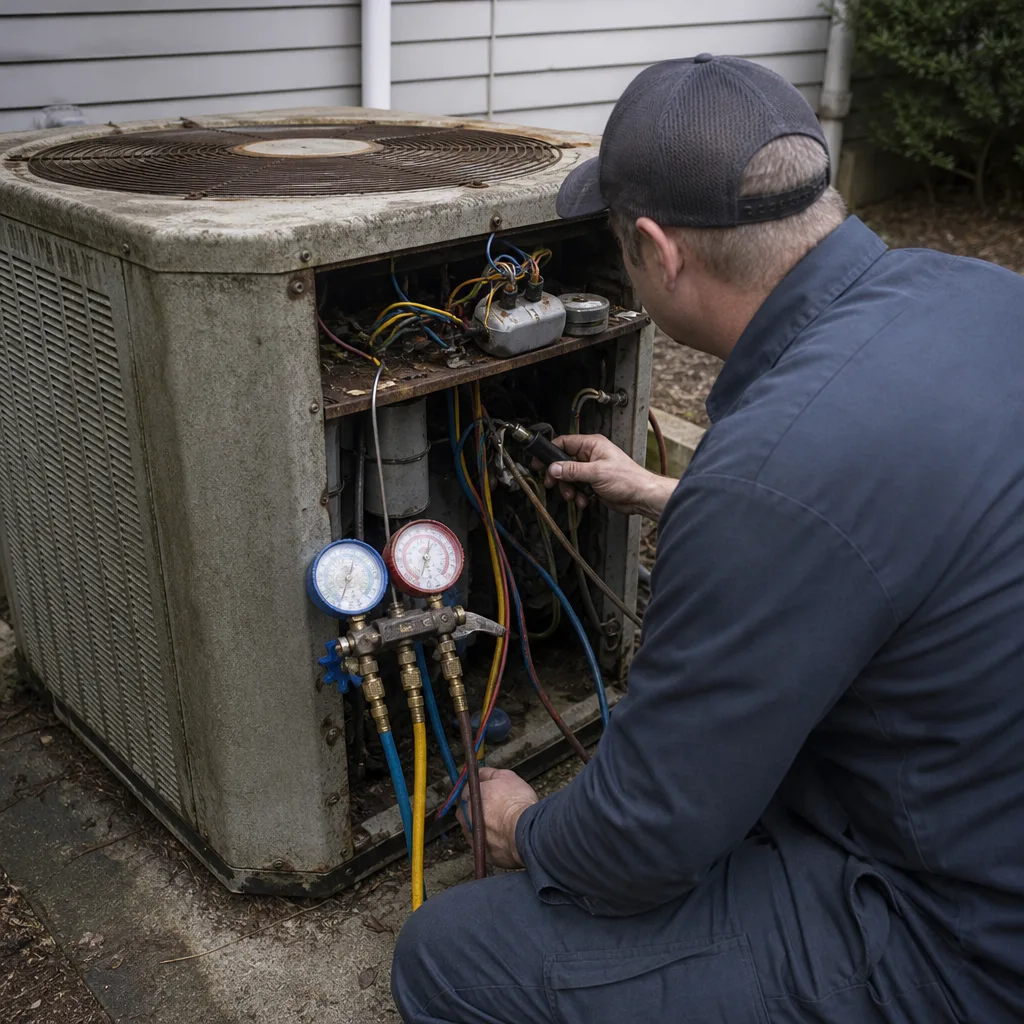
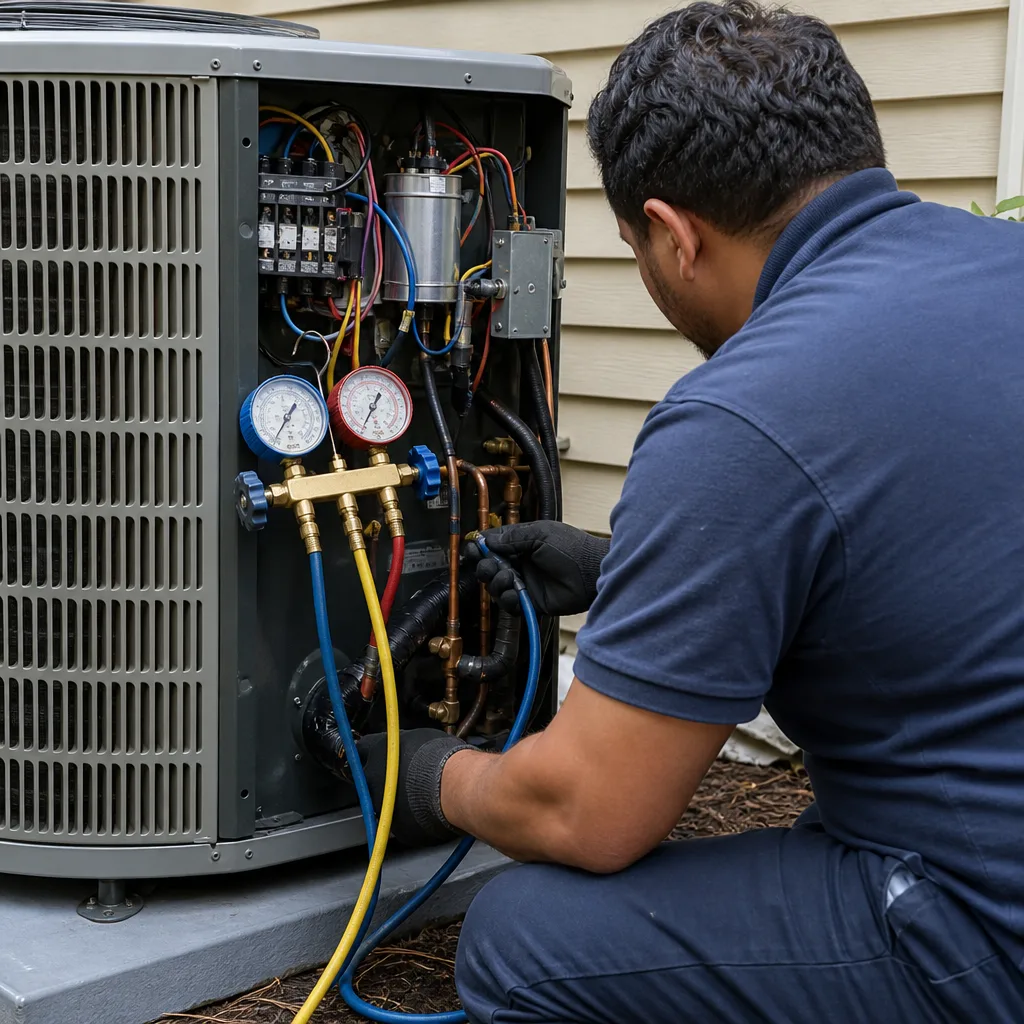
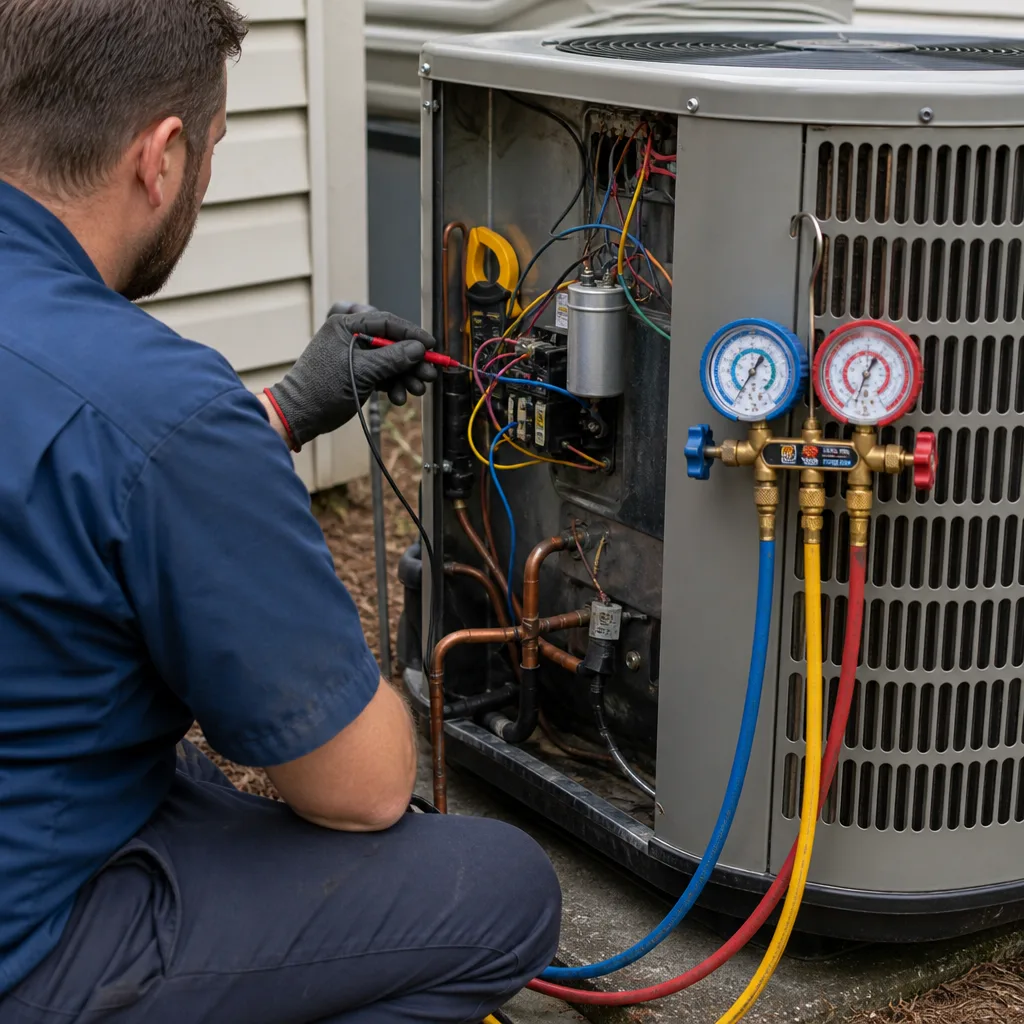
- Refrigerant handling of any kind: Purchasing, adding, removing, or recovering refrigerant requires EPA Section 608 certification and a Georgia conditioned air contractor’s license. This includes even connecting a gauge manifold to check pressures, because opening the service valve makes you the handler under federal law.
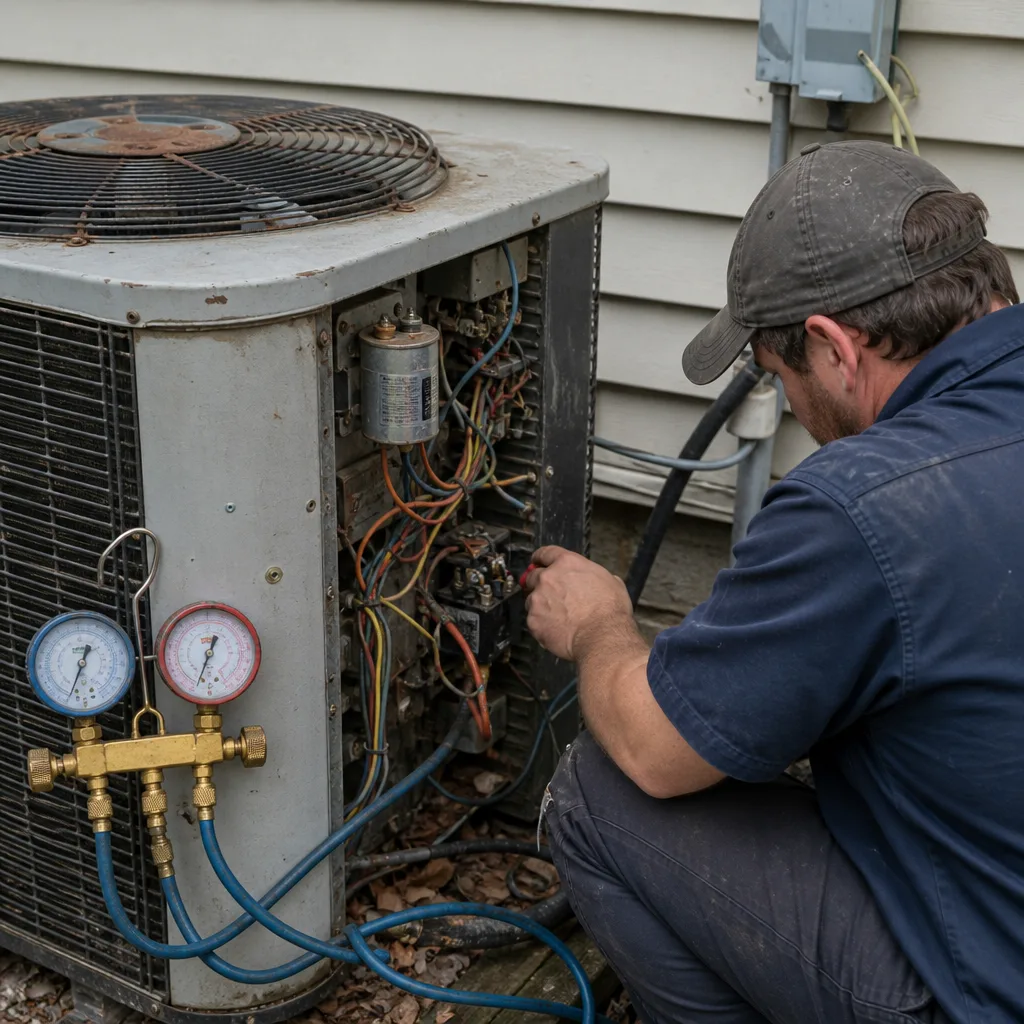
- Electrical wiring to the equipment: Running new thermostat wire, replacing contactors, capacitors, or fan motors, or connecting a new condenser requires a licensed contractor and a permit in Sandy Springs.
- Gas line connections: Disconnecting or reconnecting a gas furnace’s supply line, replacing a gas valve, or adjusting manifold pressure requires both a Georgia license and jurisdiction approval from the City of Sandy Springs.
- Ductwork modification: Cutting, sealing, or reconfiguring duct runs changes system static pressure and requires permitting. Improper duct sizing is the single most common cause of premature compressor failure we encounter on AC repair calls in Sandy Springs.
The legal line is not about protecting tradespeople from competition. It exists because a refrigerant leak in a bedroom, a gas leak at a furnace, or a miswired thermostat can injure or kill. We mention this without drama but with respect for the stakes: the fines are the least concerning part of getting refrigerant wrong. The health risk to kids and pets in a sealed-up Sandy Springs home during a Georgia summer is the real reason that line exists.
Warranty-Voiding Triggers: The Fine Print Nobody Reads
Most homeowners discover warranty exclusions only after a claim is denied. We’ve reviewed the terms for Carrier, Lennox, Trane, Daikin, Bryant, and American Standard equipment, and the exclusion language is remarkably consistent: unauthorized access to the sealed refrigeration system, unlicensed electrical modifications, and failure to perform documented annual maintenance are the three most common grounds for voiding coverage.
Specific Actions That Void Major Brand Warranties
- Opening the sealed system: On a Carrier unit, a homeowner who removes the service valve caps and connects gauges has violated the warranty terms, regardless of whether any repair was attempted. The factory won’t cover a compressor failure if unlicensed hands touched the refrigerant circuit first.
- Replacing a capacitor yourself: On Trane and Lennox equipment, the warranty specifically excludes damage caused by “unauthorized persons” performing electrical repairs. A $15 capacitor from a hardware store can void the 10-year compressor warranty on a $9,000 system. The math doesn’t work.
- Installing a non-compatible thermostat: Daikin and Bryant expressly exclude coverage for blower motor or control board failures caused by improperly installed third-party thermostats. A variable-speed system paired with a single-stage thermostat will run the blower at full speed constantly, shortening its life from 15 years to 5 or less. That repair typically costs $750 to $1,400, and the manufacturer will deny the claim when they see the mismatched thermostat.
- Skipping annual maintenance: Every major brand’s warranty states that lack of documented annual service can void coverage on the compressor, heat exchanger, and other key components. We recommend keeping records even for DIY maintenance, which we’ll cover in a later section.
The warranty landscape is genuinely different for AC installation in Sandy Springs than it was a decade ago. Manufacturers now require proof of licensed installation and consistent service. If you’re planning a new system, the warranty terms should be part of the purchase conversation, not discovered after a failure.
Thermostat Replacement: The True Cost Comparison
Thermostat replacement is the clearest example of how DIY savings can evaporate. The upfront math favors DIY: a basic Honeywell or Google Nest thermostat runs $25 to $250, and installation takes one to three hours with a screwdriver. But the hidden cost appears when the thermostat doesn’t match the system it controls.
DIY Thermostat Replacement: The Real Numbers
- Parts: $25 to $250 depending on whether you choose a basic programmable or a smart thermostat with Wi-Fi.
- Time: 1 to 3 hours including reading the manual, labeling wires, and troubleshooting.
- Risk: Miswiring a C-wire (common wire) to the wrong terminal can short out the control board. In a Sandy Springs home with a variable-speed air handler, this is a $400 to $900 control board replacement, and your time estimate doesn’t account for a week of troubleshooting.
- Warranty exposure: As noted above, a mismatched thermostat can void blower motor and control board coverage on several major brands.
Professional Thermostat Replacement: The Real Numbers
- Total cost: $150 to $350, including the thermostat itself, wiring verification, and system compatibility testing.
- Time: 30 to 60 minutes on-site, with no troubleshooting follow-up.
- Protections: A written price before any work starts, which is the Cedarwell Care Promise standard. No surprise charges, no “while we’re here” upsells unless you ask.
- Warranty preservation: The technician confirms the thermostat wiring matches the system type and documents the change, which keeps manufacturer coverage intact.
The professional route costs about $100 more than doing it yourself, on average. For that $100, you’re buying compatibility verification and warranty protection. If you have a single-stage AC and a basic thermostat, DIY is defensible. If you have a variable-speed or two-stage system, the $100 is the cheapest insurance you’ll buy all year.
The Condensate Drain Flush: The One DIY Task Worth Doing
If you only do one piece of HVAC maintenance yourself this year, make it the condensate drain flush. It’s legal, it’s safe, it costs about $3, and it prevents the single most common emergency call we see in Sandy Springs during the July-to-September stretch. Here’s exactly how to do it.
Step-by-Step Condensate Drain Flush
- Locate the drain line: Find the PVC pipe coming off the indoor air handler, usually in a hallway closet, attic, or garage. Sandy Springs homes built in the 1970s through 1990s often route this through an exterior wall to a stub-out near the AC condenser.
- Locate the clean-out access: Look for a vertical open pipe or a capped tee fitting near the air handler. This is your access point.
- Pour 1 cup of distilled white vinegar: Slowly pour it into the clean-out. Vinegar dissolves the slime and algae that accumulate in Sandy Springs’ warm, humid air. Do not use bleach; bleach is corrosive to PVC and can damage the drain pan over time.
- Wait 30 minutes, then flush with warm water: Pour 2 to 3 cups of warm water through the same access point. You should hear it drain freely. If it backs up or overflows, stop, and call us at (229) 490-2049. A blocked drain line that overflows indoors can soak through a ceiling or carpet within hours.
- Repeat every 60 to 90 days during cooling season: In Sandy Springs, we recommend flushing monthly from May through September. The pollen load in spring is heavy, and the humidity from May onward promotes algae growth quickly.
The moment this crosses into professional territory is when the line won’t clear with vinegar and water alone. If you’ve flushed twice and the water still won’t drain, there’s a clog deeper in the line that needs a wet/dry shop vacuum or a drain-clearing tool. That’s the cue to call a licensed technician. The service is a standard AC repair in Sandy Springs, typically $85 to $180, and it’s far less than repairing the water damage from a backed-up drain pan.
Documenting Your DIY Work for Insurance and Home Sale
Here’s the part most guides skip: what you do matters less than what you can prove you did. When you sell a home in Sandy Springs, the disclosure statement asks about the condition of mechanical systems. When you file an insurance claim after a water leak or fire, the adjuster asks for maintenance records. A well-documented DIY maintenance history protects you in both situations.
What to Keep and For How Long
- Filter purchase receipts: Keep digital copies for three years. They prove the system was maintained if a manufacturer challenges a warranty claim or an insurance adjuster questions maintenance history.
- A simple maintenance log: A spiral notebook or a note on your phone with the date, task performed, and observations. “6/15/26: flushed condensate drain, vinegar and warm water, drained clear in 45 seconds.” This is evidence, not busywork.
- Photos of the outdoor unit: Take a photo every time you clear debris. Shows the unit was kept clean and uncovered. Keep these for three years.
- Thermostat upgrade receipts and photos: If you replace your own thermostat, keep the receipt, a photo of the wiring before and after, and the user manual. If the system later fails, these help a technician diagnose whether the thermostat contributed.
- Any professional service reports: Keep these for the life of the system. When you sell, hand them to the buyer. It’s a small act that adds real value at closing.
Documentation also matters for insurance claims. If your condensate drain overflows and soaks a ceiling, the insurance adjuster will ask when the line was last maintained. A log showing monthly flushes during cooling season is the difference between a routine claim and a denial for neglect. This isn’t paranoia. We’ve seen Sandy Springs homeowners lose claims because they couldn’t produce any record of maintenance beyond “I think we changed the filter once.”
Why Sandy Springs Weather Changes the DIY Equation
Sandy Springs sits at roughly 1,100 feet above sea level, on the edge of the Appalachian foothills, which makes for a humid subtropical climate with real temperature swings. July and August regularly push past 90°F with dew points above 70°F. January nights dip into the upper 20s. Your HVAC system works harder here than in drier or milder climates, which means the cost of a DIY mistake is higher too.
The Heat and Humidity Factor
When the outdoor unit is running in 95°F heat with 70% humidity, the refrigerant pressures are at their seasonal peak. A small mistake, like an improperly tightened Schrader valve cap or an over-connection of a gauge hose, leaks refrigerant at exactly the moment the system is working hardest. By the time you notice the system isn’t cooling, you’ve lost enough refrigerant to require a full professional recharge, which means most cooling capacity is gone during the hottest week of the year. We tell Sandy Springs homeowners this not to scare, but because the timing of DIY failures is predictable: they happen during heat waves, because the system is stressed, and because the homeowner is most motivated to tinker.
The Pollen and Debris Factor
Sandy Springs has one of the heavier spring pollen seasons in metro Atlanta, thanks to the dense tree canopy in neighborhoods like Riverside, Dunwoody Panhandle, and the area around Lost Corner Preserve. That pollen coats the outdoor condenser coil every April and May. The good news is that cleaning it is a legal DIY task. The caution is that most homeowners use a pressure washer, which bends the aluminum fins and reduces airflow permanently. A garden hose on a gentle fan setting is sufficient; anything stronger invites a $200 fin combing repair from a professional.
The Winter Swing Factor
When January drops below freezing, a heat pump or a gas furnace is cycling frequently. If a homeowner has recently installed a thermostat and the emergency heat setting is misconfigured, the electric strip heat can run when it shouldn’t, doubling or tripling the electric bill for a month before anyone notices. We’ve seen Sandy Springs utility bills jump from $180 to $400 in a single winter billing cycle due to a thermostat miswire. That’s a $220 mistake that costs more than a professional thermostat installation would have in the first place. If you’re doing furnace repair in Sandy Springs, the winter stakes are just as high as the summer ones, which is why we recommend professional help for anything beyond basic maintenance in heating season.
Common Mistakes to Avoid
- Using a pressure washer on the condenser coil: Bends the aluminum fins, restricts airflow, and reduces efficiency. A garden hose is enough. Pressure washer damage typically costs $150 to $300 to repair.
- Closing too many supply vents in unused rooms: In Sandy Springs homes with central returns, closing more than 20% of vents increases static pressure, reduces airflow, and can freeze the evaporator coil. It feels like a savings move but actually costs you more in electricity.
- Ignoring a condensate drain until it overflows: The most preventable emergency call we respond to in Sandy Springs. The flush takes 5 minutes and costs $3. The water damage from a backed-up drain costs $800 to $3,000. Do the flush.
- Buying refrigerant online and attempting a top-off: This is both a federal crime and an equipment killer. A system low on refrigerant has a leak, and topping it off without finding the leak means paying again in 6 months. The fines are the headline; the wasted money is the silent part.
- Replacing a capacitor without discharging the old one: A capacitor holds voltage even with power off. Touching the terminals wrong causes a serious shock. This is a $20 part that should be installed by a licensed technician on every visit, always with the power off and the capacitor discharged first.
- Running the system with a dirty filter to “see if it still works”: In Sandy Springs’ humid climate, a clogged filter lowers airflow, which allows the evaporator coil to freeze. The thaw causes water damage, and the freeze-thaw cycle stresses the compressor. Change the filter. It costs $8.
- Trusting a thermostat’s default settings after a DIY install: Most smart thermostats default to 4 or more cooling cycles per hour, which is excessive for a variable-speed system. Too many cycles per hour shortens compressor life. Have a professional verify the cycle rate setting, or at minimum read the system type in the installation settings.
When to Call a Professional
You should call a professional when the task involves refrigerant, electrical wiring at the equipment level, gas connections, or any diagnosis that requires opening the system cabinet. Call when your condensate drain won’t clear after two vinegar flushes, when the system is making a sound you haven’t heard before, or when the thermostat shows an error code you can’t identify. Call when the system is short-cycling, freezing up, or when the outdoor unit is running but no air is flowing. And call when the repair is urgent: a failed system in 95°F July heat or 25°F January cold is a health risk, not an inconvenience. Meadowsweet Heating and Air Sandy Springs offers free estimates in Sandy Springs. Call (229) 490-2049 and a real person answers, 24 hours a day, no voicemail queue. We’ll give you a written price before any work starts, and if it’s not done right, the 365-Day Done Right Promise means we make it right.
See the difference
 Before
 After
 Before
 After
 Before
 After
Frequently Asked Questions
No, you do not need a license to perform basic maintenance on your own system, such as changing filters, flushing the condensate drain, or cleaning the outdoor unit. You do need a state-licensed HVAC contractor for any work involving refrigerant, electrical wiring to the equipment, gas line connections, or ductwork modification.
The EPA can levy fines up to $44,539 per day per violation for anyone who handles refrigerant without Section 608 certification. The State of Georgia also enforces its own penalties for unlicensed conditioned air contracting. The fine for venting refrigerant to the atmosphere is separate and equally serious.
Yes, installing your own thermostat is legal in Sandy Springs. The risk is financial, not legal: a mismatched thermostat can damage a variable-speed blower motor, void the manufacturer’s warranty, and cost more to replace than a professional installation would have. If you do it yourself, verify the wiring matches the system type and keep photos of the wiring before and after.
Professional AC repair in Sandy Springs typically ranges from $85 for a basic condensate drain clearing to $450 to $900 for a control board or blower motor replacement, with a written price provided before any work starts. A refrigerant leak search and repair typically runs $150 to $600 depending on leak location and refrigerant type. Call (229) 490-2049 for an exact quote. Estimates are free.
If your AC is more than 10 years old and the repair cost exceeds 30% to 50% of a new system’s price, replacement is usually the better financial decision. In Sandy Springs, where the cooling season runs 6 to 7 months a year, the efficiency gain from a new system alone can save $200 to $400 per year on electricity. A full AC installation in Sandy Springs includes proper load calculation, which older systems often lack.
Do yourself: filter changes every 30 to 90 days, condensate drain flushes with vinegar every 1 to 2 months during cooling season, outdoor unit clearing of leaves and debris, and breaker resets. Hire out: annual professional tune-ups with electrical connection tightening and system diagnostics, any refrigerant-related work, any electrical or gas work, and any repair that requires opening the system cabinet. In Sandy Springs’ climate, a professional tune-up is worth doing every spring before the heat arrives.
The Bottom Line
The DIY versus professional HVAC decision in Sandy Springs isn’t really about saving money. It’s about knowing where the legal line sits and staying on the right side of it. You can legally replace your own filter, flush your own drain line, and clean your own outdoor unit. You cannot legally touch refrigerant, rewire the equipment, or reconnect a gas line, and attempting to do so can cost more in fines and voided warranties than any professional repair would have. When in doubt, call. The Cedarwell Care Promise means a written price before any work, a background-checked uniformed technician who cleans up like it’s their own home, and a 365-Day Done Right Promise that stands behind every job. That’s what accountability looks like from Sandy Springs furnace repair to full system replacement.
Written by Luis Serrano, Owner at Meadowsweet Heating and Air Sandy Springs, serving Sandy Springs since 2004.