
Last updated October 16, 2026
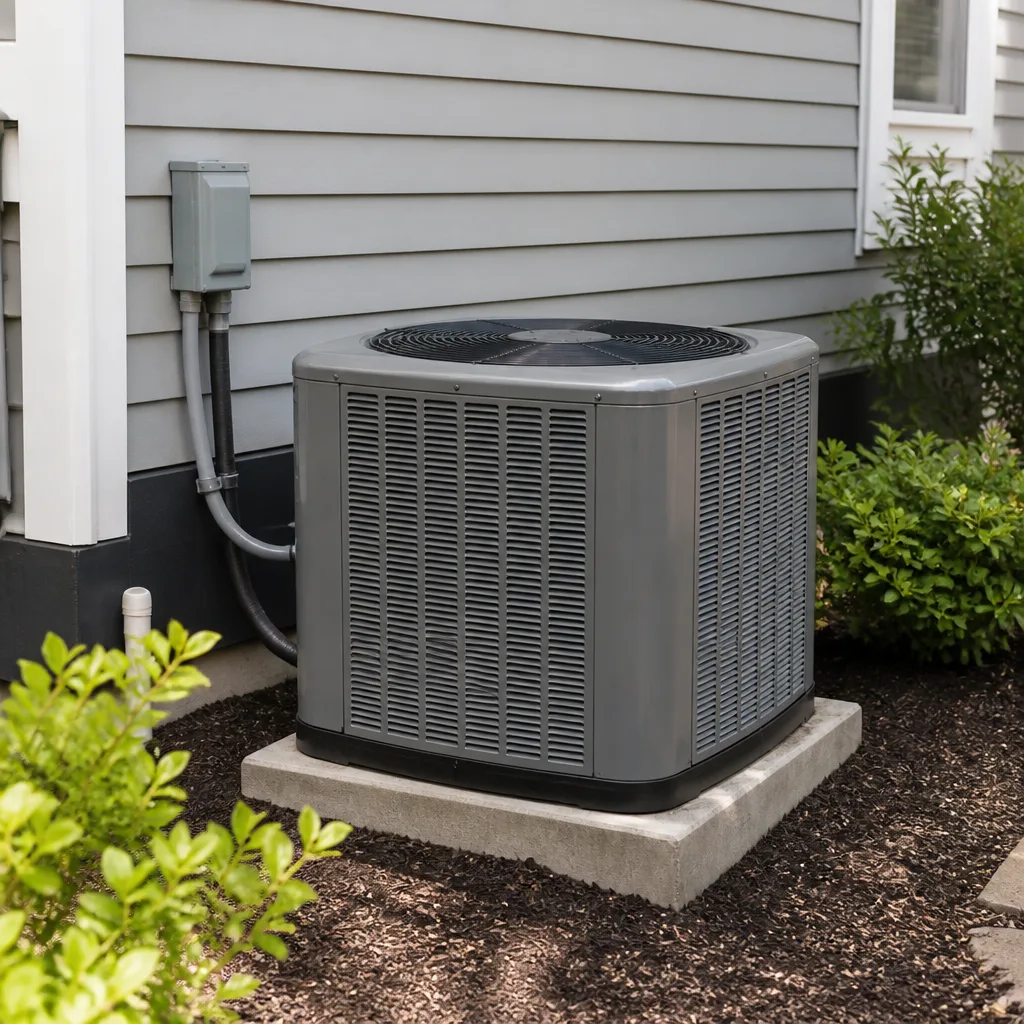 AC repair
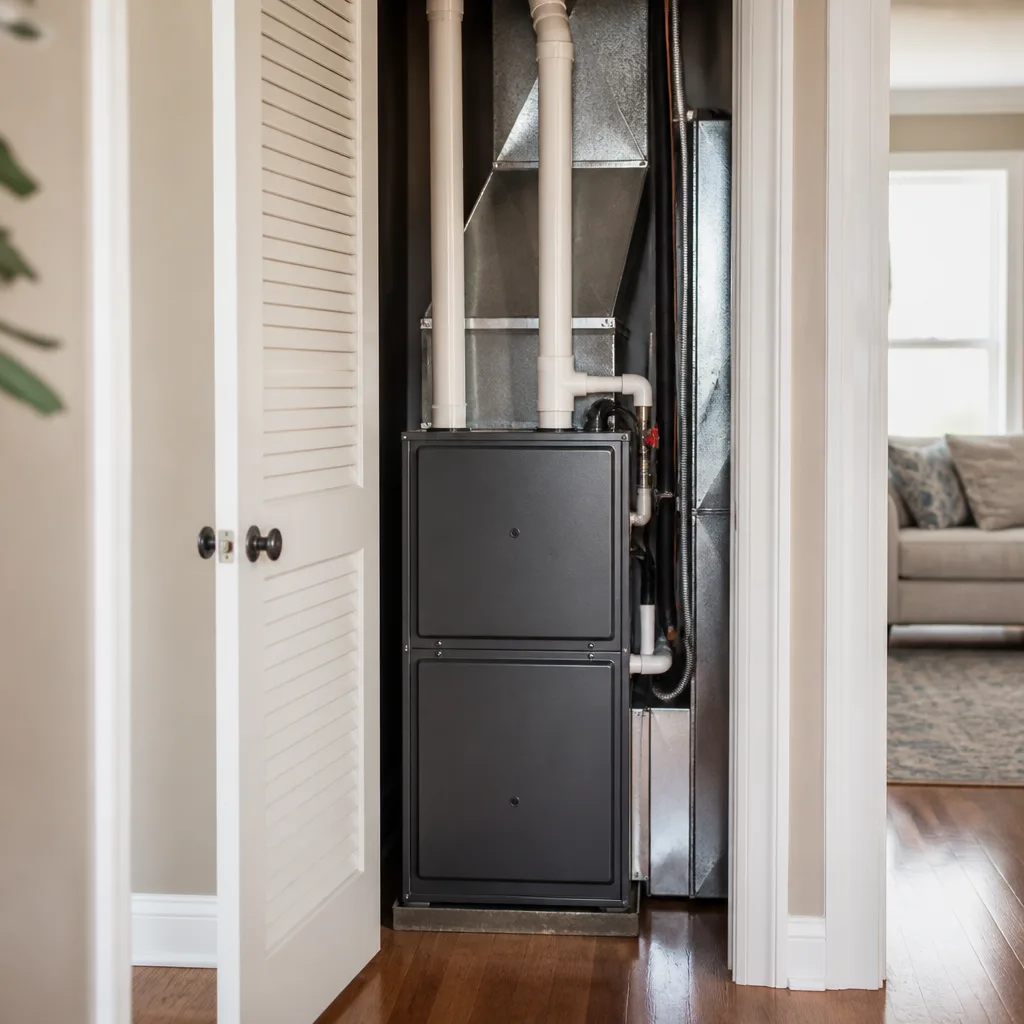 Furnace & heating
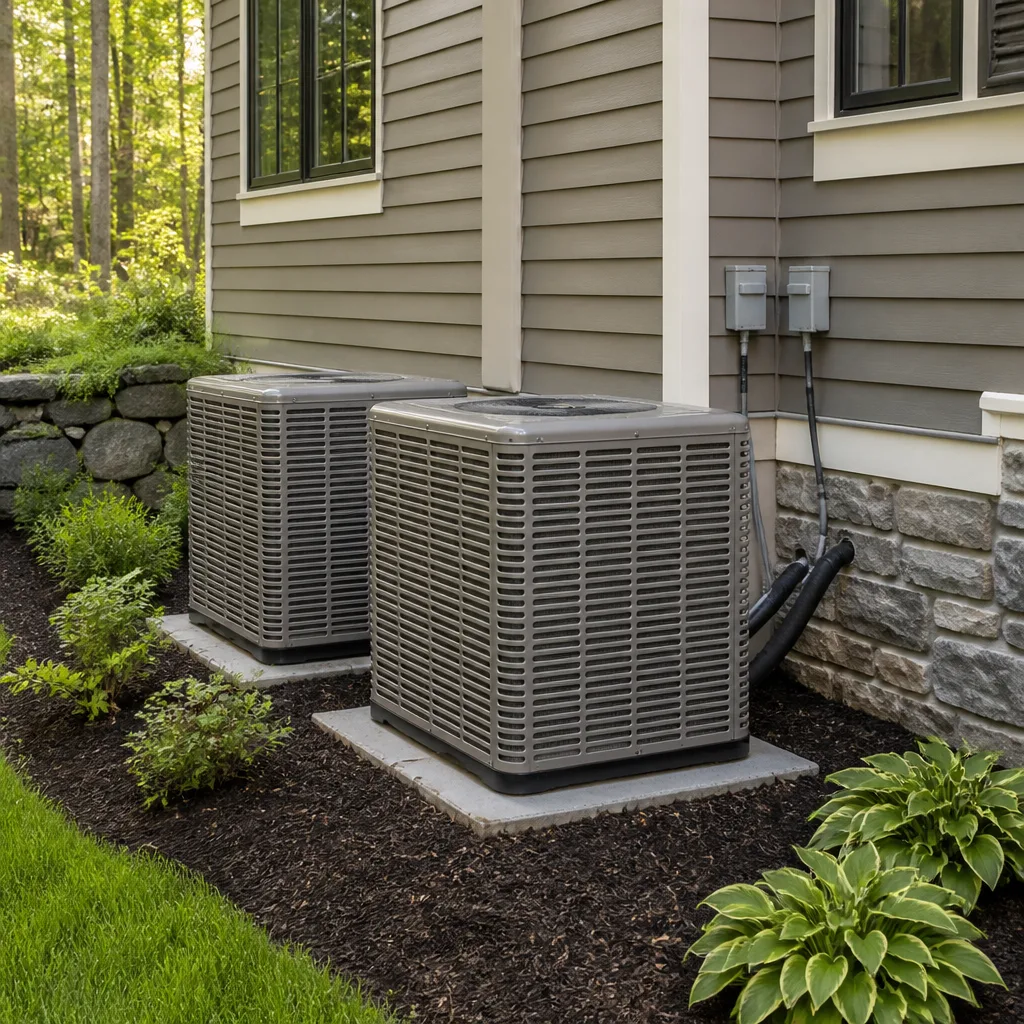 Heat pumps
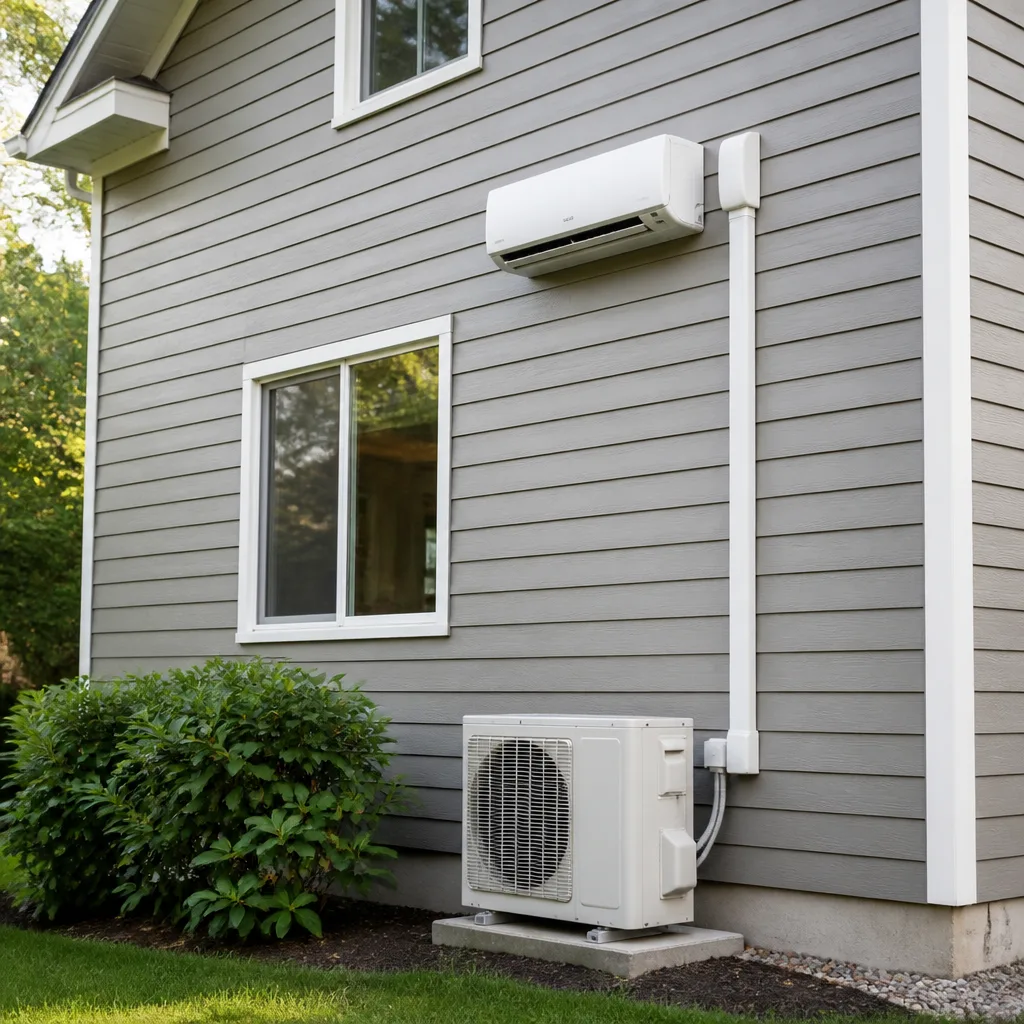 Ductless mini splits
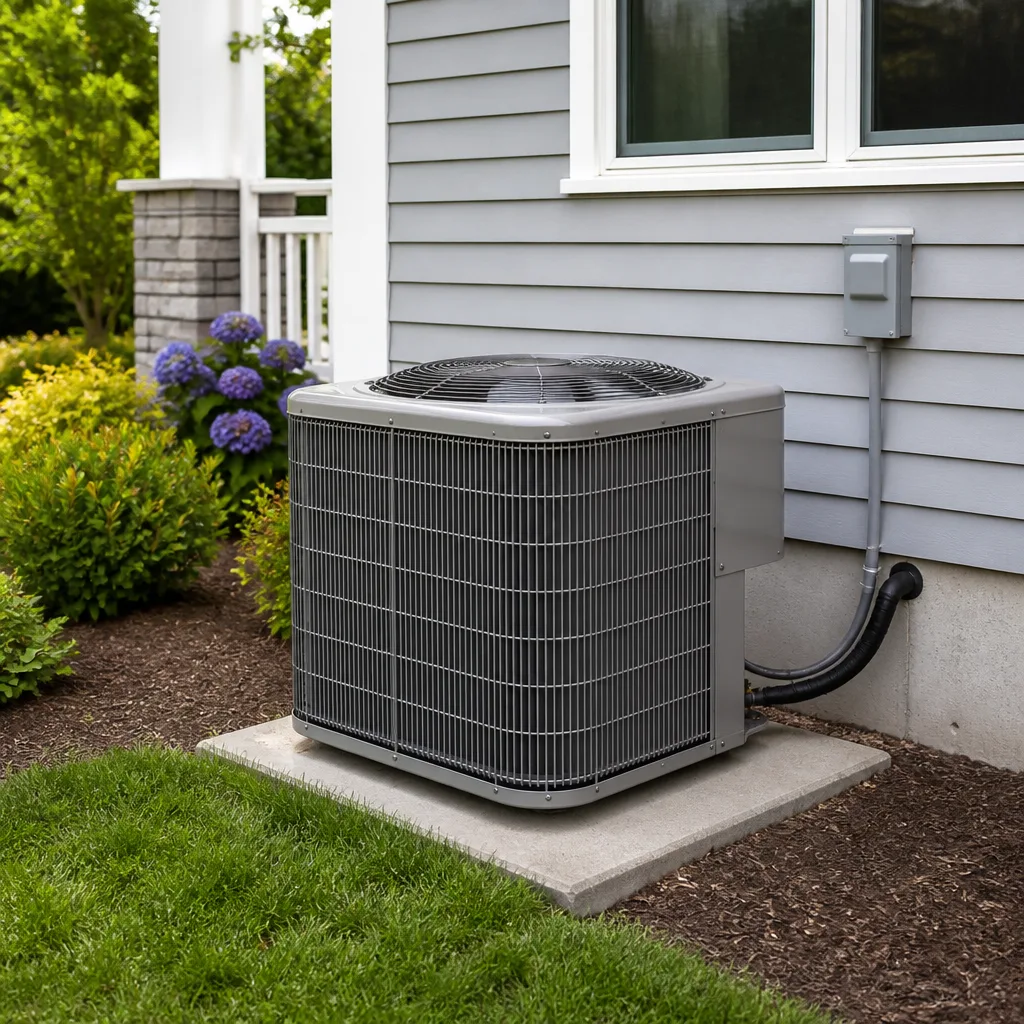 Carrier
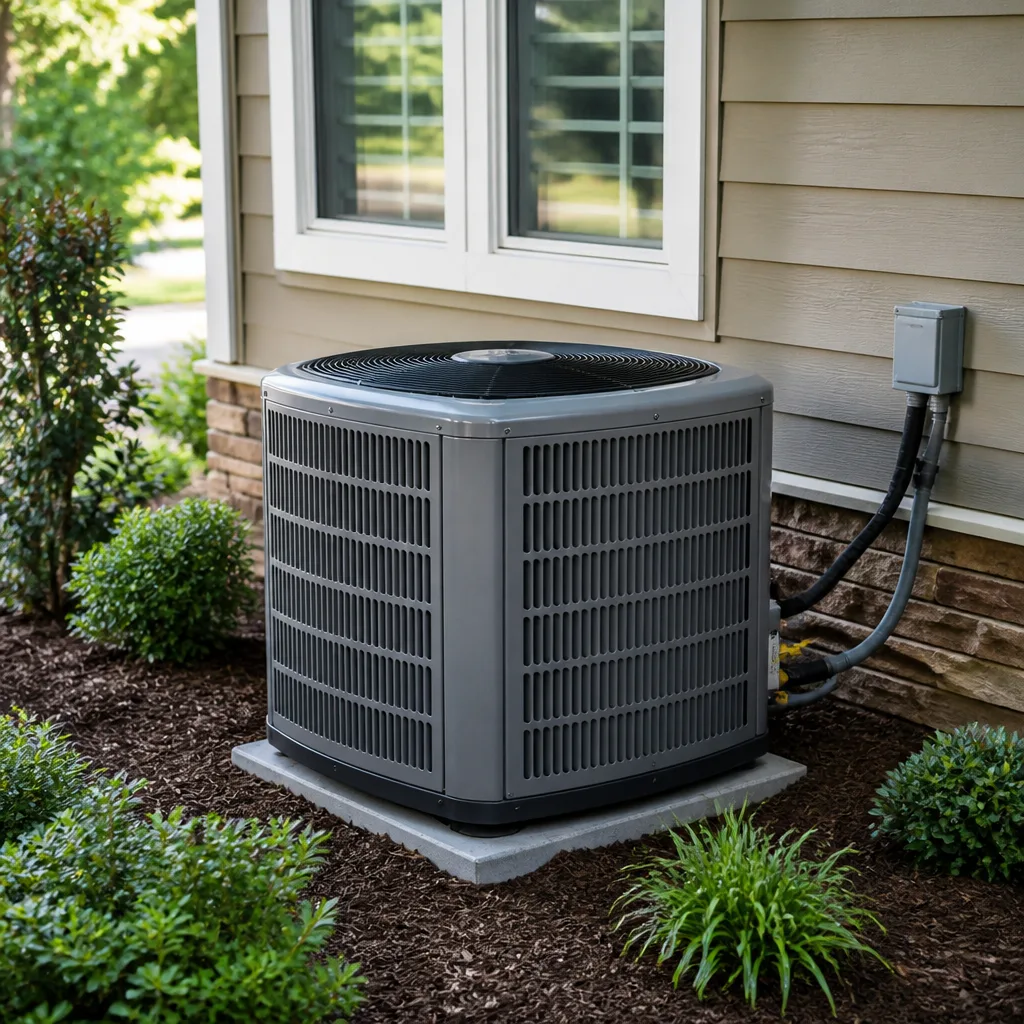 Trane
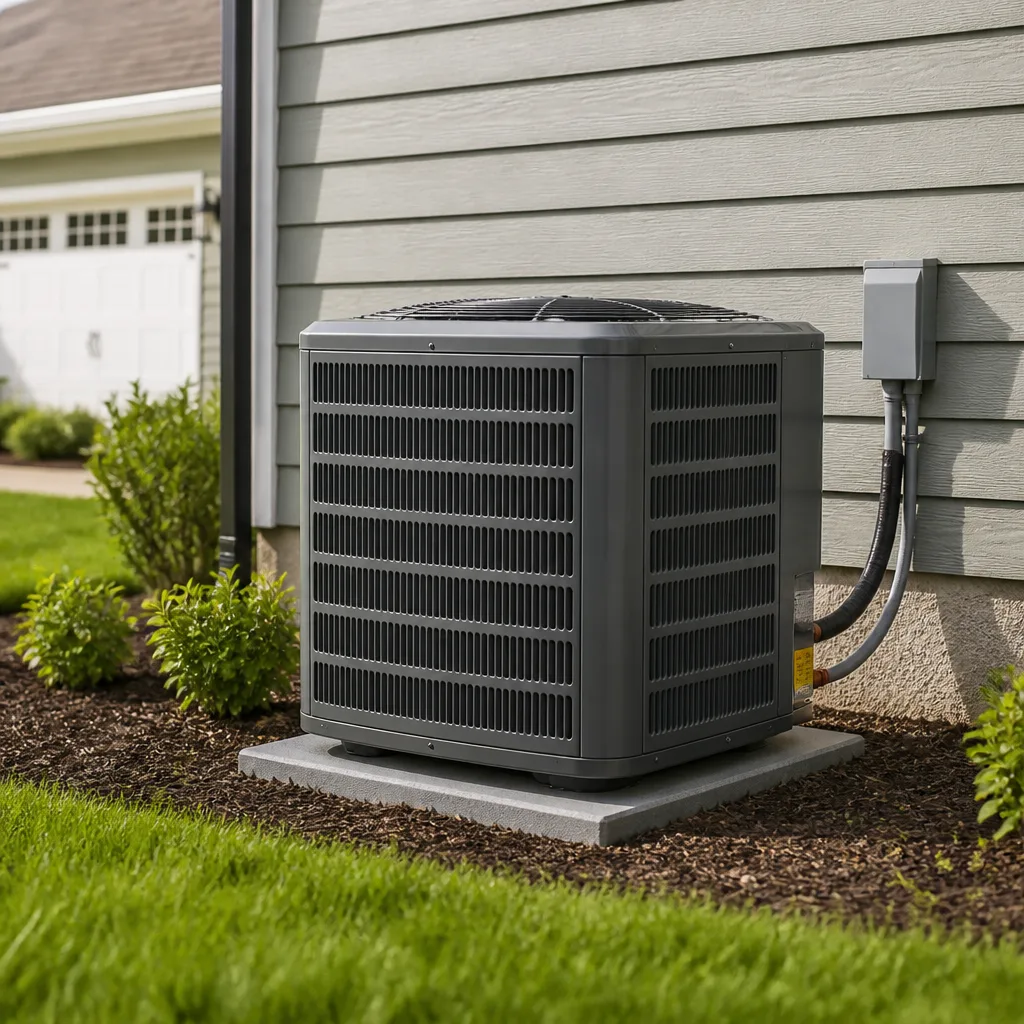 Goodman
Seasonal tune-up and full diagnostic on your Carrier, Trane, or Goodman system - readings shown to you before any repair is proposed
Diagnosis first, numbers second - you approve the repair price before a single part goes in.
Get your free estimateHow to Hire a HVAC Contractor in Sandy Springs: A Step-by-Step Guide
Georgia’s HVAC licensing database is public, takes about 90 seconds to search, and almost nobody checks it. That single oversight is how unlicensed contractors keep finding work across Sandy Springs, one neighborhood at a time, from Dunwoody Panhandle to Riverside Drive. This guide gives you an ordered vetting process that filters for the thing most homeowners never think to ask about: accountability. By the time you finish reading, you’ll know exactly how to verify a license, read an insurance certificate, pressure-test a written estimate, and confirm the crew will protect your floors, your air, and your kids’ nap schedule while they work. Here’s how to hire an HVAC contractor in Sandy Springs without getting burned.
Styles & brands we work with
Quick Answer
To hire an HVAC contractor in Sandy Springs, verify the contractor’s license through the Georgia Secretary of State and DBHDD databases (takes under two minutes), confirm general liability insurance and workers’ comp coverage, get a written estimate that includes exact equipment model numbers and line-item labor, ask what “background-checked” means in writing, and review the post-job walkthrough checklist before signing off. A qualified contractor will provide all of this without hesitation. Meadowsweet Heating and Air Sandy Springs home does exactly that on every visit, with a written price before any work starts and a 365-Day Done Right Promise behind every job.
Table of Contents
- Step 1: Verify the License Through Georgia’s Public Databases
- Step 2: Read the Insurance Certificate Yourself – Three Numbers That Matter
- Step 3: Pressure-Test the Written Estimate
- Step 4: Ask What ‘Background-Checked’ Means in Writing
- Step 5: The Post-Job Walkthrough Checklist
- Step 6: Confirm the Contractor Actually Services Your Equipment Brand
- Step 7: Sandy Springs-Specific Considerations Before You Sign
- Common Mistakes to Avoid
- When to Call a Professional
- Frequently Asked Questions
- The Bottom Line
Step 1: Verify the License Through Georgia’s Public Databases
In Sandy Springs, a legitimate HVAC contractor holds a state-issued license from the Georgia Secretary of State’s office, specifically under the Division of Professional Licensing Boards. For details on local requirements, read HVAC Permits, Codes & Inspections in GA: What You Need to Know. For residential HVAC work, you’re looking for a Conditioned Air Contractor license, which permits the holder to install, repair, and service heating and cooling equipment in single-family homes. There’s also a Non-Restricted Conditioned Air Contractor class, which covers larger commercial systems. For residential work, the Conditioned Air Contractor designation is the one that matters.
Here’s the two-minute verification process:
- Visit the Georgia Secretary of State website. Navigate to the Professional Licensing Boards section and select “Verify a License.”
- Search by company name or individual name. Type in the contractor’s business name exactly as it appears on their paperwork. Some contractors operate under a DBA, so ask for their legal business name if the search comes up empty.
- Confirm the license class. Look for “Conditioned Air Contractor” or “Non-Restricted Conditioned Air Contractor.” A plumbing license or general contractor license does not cover HVAC work.
- Check the status. The database will show whether the license is active, expired, or suspended. Active is the only acceptable status.
- Run the same search on the DBHDD database. The Georgia Department of Behavioral Health and Developmental Disabilities maintains a separate contractor registry for asbestos and lead-related work, which matters if your Sandy Springs home was built before 1978 and may contain asbestos-wrapped duct insulation.
We’ve seen homeowners in the Mt. Paran and Heards Ferry areas hire contractors who flashed a business card and a generic “licensed and insured” phrase, only to discover later that the license belonged to a different company entirely. The database search takes less time than ordering a pizza. Do it before you schedule anything. If a contractor hesitates to share their license number or their legal business name, that’s the end of the conversation. Every technician we send into a Sandy Springs home carries credentials that are verifiable in this exact database, because accountability starts before the first tool comes off the truck.
Step 2: Read the Insurance Certificate Yourself – Three Numbers That Matter
Most homeowners ask, “Are you insured?” and accept the verbal “yes.” That is not enough. In Sandy Springs, where a single water leak from an improperly installed evaporator coil can damage hardwood floors worth more than the entire HVAC repair bill, you need to see the certificate of insurance and understand what it says. You are looking for three numbers, and you should verify each one.
General liability limit. This is the total amount the insurance company will pay out for property damage or bodily injury caused by the contractor’s work. For HVAC work in Sandy Springs, where homes routinely top $800,000 in neighborhoods like Huntcliff and Chastain Park, a minimum of $1 million in general liability coverage is appropriate. Anything less and the math doesn’t work if your living room ceiling gets torn out.
Workers’ compensation coverage. This covers injuries to the technicians themselves. If an uninsured worker falls off a ladder in your Sandy Springs driveway, the liability can land on your homeowner’s insurance policy. Georgia law does not require all employers to carry workers’ comp, but a legitimate HVAC company that sends multiple technicians into occupied homes almost always does. Ask for proof.
Per-occurrence cap. This is the maximum the insurer pays for any single incident, and it is not always the same as the general liability limit. A policy might read “$2 million general aggregate / $1 million per occurrence.” The per-occurrence number is what matters for a single catastrophic mistake.
The certificate should list you, the homeowner, as a “certificate holder” and show the policy effective dates. Insurance lapses happen more often than you’d think, especially with smaller operators. If the effective date is within a few weeks of expiring, ask for the renewal confirmation. A contractor who is serious about protecting your Sandy Springs home will send the certificate without making you ask twice.
Step 3: Pressure-Test the Written Estimate
In Sandy Springs, the cost of an HVAC repair can vary by hundreds of dollars depending on the equipment brand, the accessibility of your attic or crawl space, and whether the contractor is quoting you an honest price or a lowball placeholder designed to get a foot in the door. See our HVAC Cost Breakdown: The Sandy Springs Homeowner’s Reference for 2026 for detailed pricing. The written estimate is where quality contractors separate themselves from everyone else. Here are five questions that reveal whether the number on the page is real.
Question 1: Is there a specific equipment model number, or just a vague description? A phrase like “new 3-ton AC unit” means nothing. You want the exact model number of a Carrier, Goodman, Rheem, or Lennox unit, because that model number lets you verify the equipment’s efficiency rating and warranty terms yourself. Without it, the contractor could install a lower-tier unit and pocket the difference.
Question 2: Is labor broken out as a separate line item? If labor is rolled into a single “job total” with no breakdown, you can’t evaluate whether the price is fair. A legitimate estimate separates equipment, materials, and labor so you can see exactly what each component costs. This also protects you if the job scope changes midway through.
Question 3: What does “diagnostic fee applied to repair” actually mean in dollars? Many Sandy Springs contractors charge a diagnostic fee to come out and identify the problem. Some apply that fee toward the repair if you approve the work. Others keep the fee no matter what, which effectively raises your total price. Ask directly: “If I approve this repair today, is the diagnostic fee credited back to me, and what is the dollar amount of that credit?” Get it in writing.
Question 4: Is the price guaranteed for a specific number of days? Equipment prices fluctuate, especially on brands like York and Lennox that go through seasonal distributor pricing changes. A written price that is valid for 30 days means the contractor is confident in their numbers. A quote with no expiration gives them room to raise the price later.
Question 5: What happens if the repair takes longer than estimated? A flat-rate quote protects you, because the price is the price regardless of how many hours the job takes. A time-and-materials quote puts the risk on you. For residential HVAC work, flat-rate is the standard among reputable companies. Every job we do in Sandy Springs starts with a written flat-rate price before any work begins, which means you approve the exact number, not a range, and not a “we’ll see how it goes.”
Read the estimate like a contract, because it is one. If the document leaves any of these questions unanswered, ask before you sign. A real price has no fine print under it.
Step 4: Ask What ‘Background-Checked’ Means in Writing
The phrase “background-checked technicians” appears on dozens of HVAC websites serving Sandy Springs. What it almost never tells you is what the background check actually screened for, when it was run, and whether it has lapsed. A technician who passed a background check when they were hired in 2019 is a different risk profile than one who passed a check last month. Here’s how to ask the right questions and get meaningful answers in writing.
Ask what the check screens for. A legitimate background check for a residential service technician covers criminal history at the county and federal level, a sex offender registry search, and a driving record review. If the company can’t tell you what their screening process actually includes, the phrase is marketing, not policy.
Ask how recently the check was run. Background checks should be run at hire and periodically thereafter. A company that checks once and never again is not doing due diligence. Ask: “When was the last background check run on the technician who’ll be in my home?”
Ask if the company uses a third-party screening firm. Companies that run checks in-house through HR are not the same as companies that contract with an accredited screening provider. The third-party arrangement creates a paper trail and removes the incentive to look the other way.
Ask for documentation. You probably won’t get the full background report, and you shouldn’t ask for it, because it contains private information. But you can ask for a signed statement from the company confirming that the technician assigned to your job passed a background check within the last 12 months and specifying what was screened. A company that refuses this request is telling you something useful.
When we hire in Sandy Springs, every technician goes through a third-party background check before they ever step inside a customer’s home. It covers criminal history, registry status, and driving record. The uniform they wear, the photo badge they carry, and the identification they show at your door are all part of the same commitment: you know exactly who is standing in your hallway. That’s the standard the Cedarwell Care Promise holds, and it is non-negotiable.
Step 5: The Post-Job Walkthrough Checklist
A contractor who does excellent work and then disappears without a final walkthrough is leaving you to discover problems on your own, usually at the worst possible moment, which in Sandy Springs means a July afternoon when the heat index hits 105 and your freshly “repaired” AC stops blowing cold. The post-job walkthrough is not a formality. It is the difference between accountability and a phone call to a voicemail box. Here is the specific checklist to run before you sign off on any HVAC job in Sandy Springs.
- Ask to see the work area before anything is cleaned up. You want to see the condition the technician left the equipment in, not the condition after a hasty tidy-up. Look for loose wiring, missing fasteners, and components that don’t appear fully seated.
- Verify all access panels are re-secured. The technician opened the indoor unit, the outdoor condenser, or both during the visit. Every panel should be back in place with screws tight. A loose panel vibrates, rattles, and can eventually fall off, damaging the unit or whatever is below it.
- Check the condensate drain line for clarity. Ask the technician to show you that the drain line is flowing. In Sandy Springs, where summer humidity is relentless, a clogged condensate line leads to water backing up into the unit, overflowing the pan, and leaking into the ceiling or floor. If you have an older home in the Riverside area with original ceilings, that leak can cause thousands in damage fast.
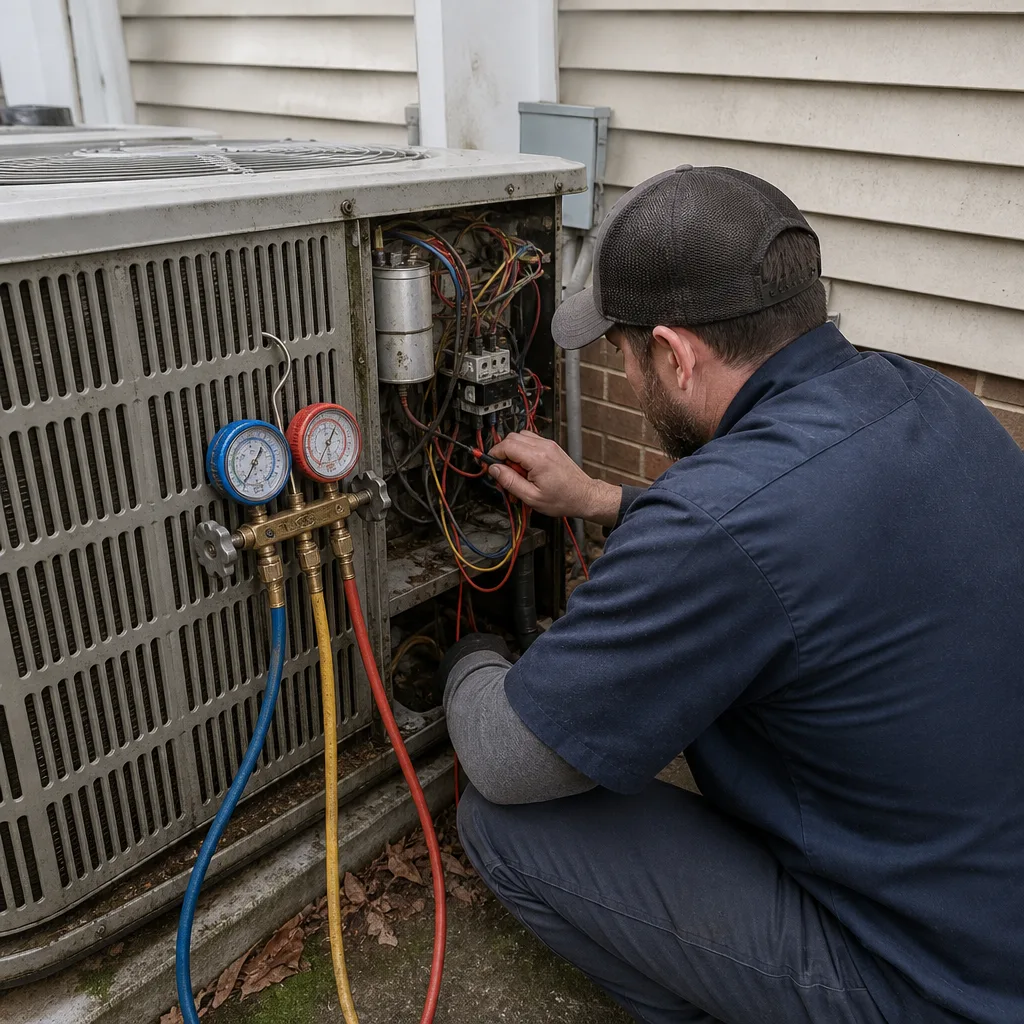
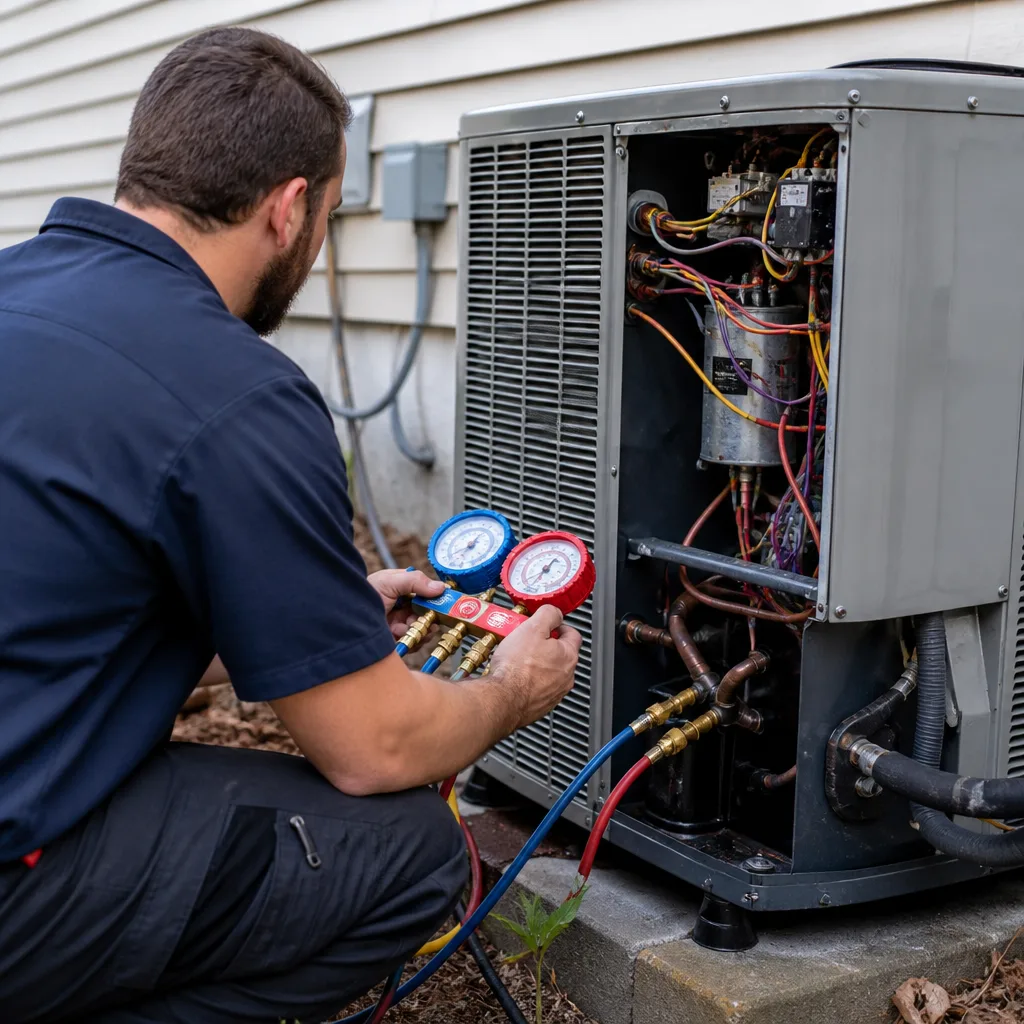
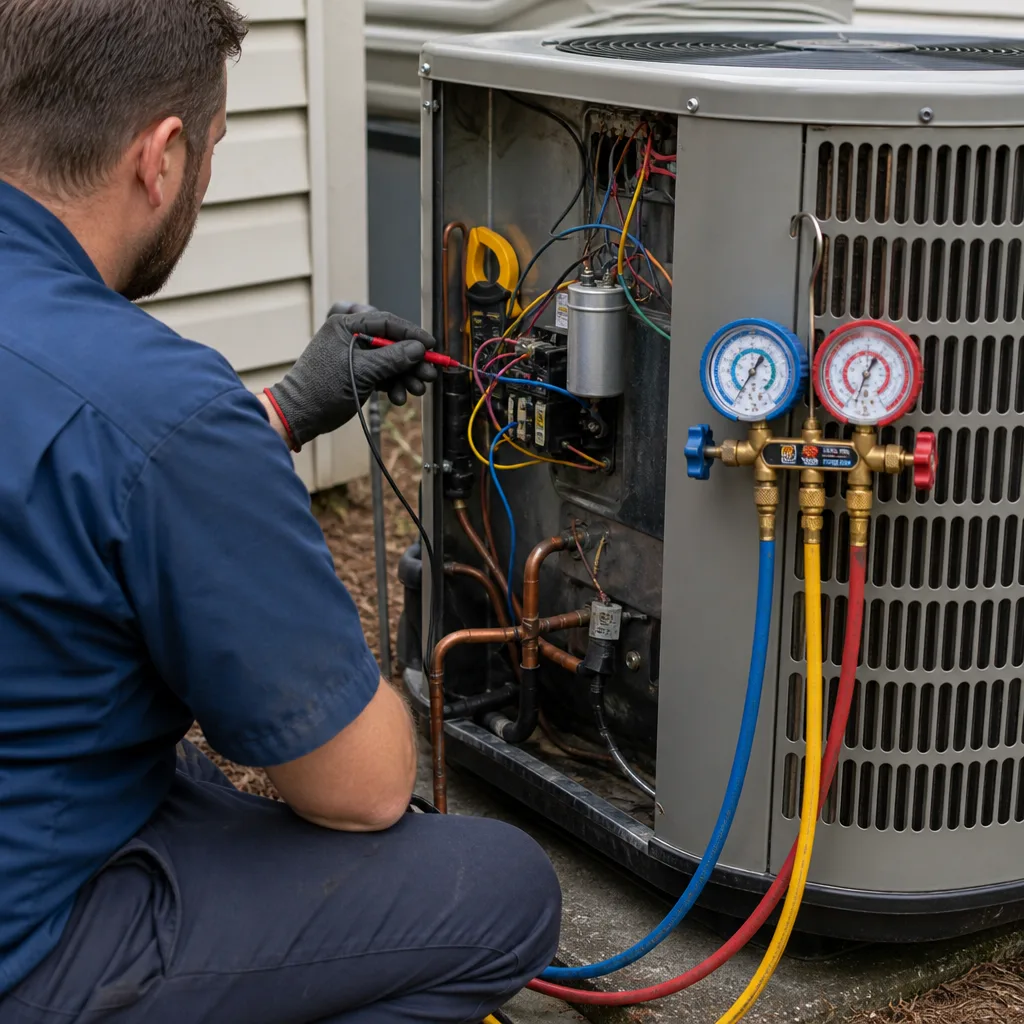
- Ask to see the refrigerant readings. For AC work, the technician should show you the pressure readings and explain what they mean in plain English. If the system is undercharged, it will struggle in Georgia heat. If it’s overcharged, the compressor works harder and fails earlier.
- Run the system before the technician leaves. Turn the thermostat down in cooling mode (or up in heating mode) and confirm the system starts, runs, and produces the expected temperature differential. Five minutes of verification now saves a service call later.
- Confirm the cleanup. Walk the path the technician took through your house. Check for metal shavings, wire clippings, dirt, and any tools left behind. If the crew used shoe covers and drop cloths, the floors should look the way they looked before the visit, with the possible exception of the equipment area itself.
- Get a summary of what was done and why. The technician should be able to explain, in plain language, what they found, what they fixed, what they observed, and what they’d keep an eye on. If they can’t explain it to you, they may not have understood it themselves.
This walkthrough is standard procedure on every job we complete in Sandy Springs, and the cleanup photo we send before the crew leaves is part of the Cedarwell Care Promise: proof, not promises, that the house was treated the way you’d treat it yourself. If a contractor doesn’t offer a walkthrough, ask for one. If they resist, that’s an answer.
Step 6: Confirm the Contractor Actually Services Your Equipment Brand
Not every HVAC contractor in Sandy Springs services every brand. Someone who spends most of their time on Goodman systems may not have the diagnostic tools, training, or distributor access to properly service a Rheem or York unit. Worse, some contractors will take the call anyway, improvise a repair, and leave you with a mismatched system that never runs right. Ask directly: “Do you carry service parts for my equipment brand, or are you going to have to order them?”
The answer matters more than most homeowners realize. Here is why: HVAC systems are manufacturer-specific in their control boards, blower motors, and diagnostic interfaces. A technician who only occasionally works on your brand is more likely to misdiagnose an intermittent issue, and that misdiagnosis leads to repeated service calls, which you pay for. A contractor who services your brand regularly has seen your system’s failure patterns and knows what to look for, which means faster repairs and fewer return visits. In Sandy Springs, where AC systems run hard from May through September, a contractor who knows your equipment is the difference between one repair and three.
Step 7: Sandy Springs-Specific Considerations Before You Sign
Sandy Springs is not a generic Atlanta suburb, and your HVAC decisions should reflect that. The city’s mix of housing stock, from 1960s brick ranches off Mount Vernon Highway to new construction near Abernathy Road, means the right system and the right service approach vary by neighborhood. Here are the local factors that affect hiring decisions in Sandy Springs specifically.
Ductwork age and condition. Many Sandy Springs homes built in the 1960s and 1970s still have original ductwork. Sheet metal ducts from that era were often insulated with materials that degrade over time, and flex duct installed in the 1990s may be nearing the end of its useful life. A good contractor will inspect the ductwork before quoting an equipment replacement, because a high-efficiency system connected to leaking ducts will underperform and cost you money every month.
Attic access and equipment placement. Sandy Springs homes frequently have attic-installed air handlers, and attic access varies widely, from walk-up stairs in larger homes to scuttle holes barely large enough to fit a technician. Contractors need to account for this. Cramped attics in older ranch homes make repairs slower and more physically demanding, which affects labor pricing. A contractor who has worked in Sandy Springs neighborhoods like North Springs and Dunwoody Panhandle already knows this. One who quotes sight unseen is guessing.
Summer humidity and sizing. Georgia’s summer humidity is the real challenge for HVAC systems, not just the raw temperature. An oversized AC unit will cool the air quickly, but it’ll short-cycle before the humidity has been removed, leaving your home feeling clammy. A load calculation that accounts for Sandy Springs’ humidity profile matters. Ask whether the contractor runs a Manual J load calculation for replacement systems. If they size by square footage alone, be skeptical.
HOA rules for Sandy Springs communities. Several Sandy Springs neighborhoods have homeowners’ associations with specific rules about outdoor equipment placement, noise levels, and even unit color. Riverside, Huntcliff, and Chastain Park all have their own covenants. A contractor who works in Sandy Springs regularly will ask about HOA requirements before recommending an outdoor unit location. One who ignores them may leave you with a violation notice.
AC Installation in Sandy Springs requires all of these considerations to be addressed before equipment is ordered, not after. The difference between a contractor who asks these questions and one who doesn’t is the difference between a system that works for 15 years and one you’re replacing again in eight.
Common Mistakes to Avoid
- Hiring without verifying the license. The Georgia Secretary of State database is free and searchable in under two minutes. Skipping this step is the single most common mistake Sandy Springs homeowners make, and it is the one that leads to the most expensive consequences. A contractor without a valid Conditioned Air Contractor license has no regulatory oversight, and you have little recourse if the work fails.
- Accepting a verbal quote. If the price isn’t written down, it doesn’t exist. Verbal quotes shift, and in the HVAC industry, they usually shift upward. A contractor who won’t put a price in writing before starting work is one you shouldn’t hire.
- Choosing the lowest bid without comparing scope. A $4,200 quote and a $5,800 quote for what sounds like the same job are rarely for the same scope. The lower bid usually means cheaper equipment, skipped steps (like a proper load calculation or duct inspection), or both. In Sandy Springs, where summer heat is unforgiving, cutting corners on the front end costs more in the long run.
- Ignoring the insurance certificate. “Are you insured?” is the wrong question. “Show me your certificate and let me verify the coverage limits” is the right one. A contractor who is genuinely insured will produce the document immediately. One who hedges is telling you to walk away.
- Not asking about cleanup before the job starts. The difference between a contractor who leaves your Sandy Springs home clean and one who leaves metal shavings in the carpet is the difference between a professional and someone who just fixed your AC. Ask about shoe covers, drop cloths, and cleanup standards before you schedule the visit, not after the job is done.
- Skipping the final walkthrough. If you sign off without testing the system and checking the work area, you’re accepting liability for any problems that surface later. Ten minutes of verification saves weeks of frustration.
- Hiring for emergency repairs without any vetting. When the AC dies in August, the pressure to get someone out immediately leads Sandy Springs homeowners to skip every step in this guide. Contractors know this, and some of them price accordingly. If you need emergency service, have a contractor pre-vetted before the emergency happens. We handle AC Repair in Sandy Springs with same-day service, and a live person answers our phone 24/7, which means you have a reliable option before a breakdown forces a rushed decision.
When to Call a Professional
Some HVAC issues are obvious enough that you’ll call regardless of the vetting process: a complete system failure in July, a furnace that won’t ignite in January, a refrigerant leak that leaves ice building up on the outdoor unit, or a burning smell from the vents. In Sandy Springs, where summer temperatures regularly exceed 90 degrees and winter nights dip below freezing, these are not DIY situations, and the health risks to children, elderly family members, and pets are real. But the less obvious calls matter too: a monthly energy bill that’s jumped 30% without a rate increase, a system that runs constantly but never reaches the set temperature, or a noise you can’t identify. These issues rarely resolve themselves, and they usually get more expensive the longer you wait.
Meadowsweet Heating and Air Sandy Springs home offers free estimates in Sandy Springs, with a written price before any work starts and the Cedarwell Care Promise behind every repair. Call (229) 490-2049 and a live person answers, day or night.
Frequently Asked Questions
Search the Georgia Secretary of State’s Professional Licensing Boards database for a “Conditioned Air Contractor” license, which covers residential HVAC work, and check the DBHDD registry if your Sandy Springs home was built before 1978 and may have asbestos-wrapped ducts. The search takes under two minutes, and an active license status is the only acceptable result. Call (229) 490-2049 if you’d like help understanding what a contractor’s credentials actually mean.
Most HVAC repairs in Sandy Springs fall between $180 and $800, with simple items like capacitor replacement at the low end and compressor or control board replacement at the high end. Full system replacement typically ranges from $6,500 to $14,000 depending on equipment brand, efficiency rating, and duct condition. The exact price depends on your home’s specifics, which is why a written estimate with line-item detail matters; call (229) 490-2049 for a free estimate that includes exact numbers.
Replace the system if the repair cost exceeds 40% of the system’s current value, the equipment is more than 12 years old, or the compressor has failed; repair is usually the better choice for newer systems with isolated component failures. In Sandy Springs, where AC systems run hard for five straight months, a well-maintained system can last 15 years, but one that was never properly serviced may be done at 10. Call (229) 490-2049 and we’ll give you an honest assessment without pressure.
It means the company runs criminal history, sex offender registry, and driving record checks through a third-party screening firm, ideally within the last 12 months; anything less specific is marketing language, not a policy. Ask for a written confirmation of what was screened and when, and if the company hesitates, choose another contractor. Every technician we send into a Sandy Springs home passes a third-party background check before their first visit.
Yes, our technicians are in Sandy Springs every day, and we offer same-day service for AC Repair in Sandy Springs with a live person answering the phone 24/7. Call (229) 490-2049 and we’ll schedule a visit at a time that works for you. Our Furnace Repair in Sandy Springs service also offers same-day scheduling during heating season.
We service equipment from nine leading brands: Carrier, Trane, Lennox, Goodman, Rheem, York, Daikin, Bryant, and American Standard. If your system is one of these, we carry the service parts and have the diagnostic tools ready. If it’s a different brand, we’ll tell you honestly before you schedule a visit.
Yes, every estimate is free, and every quote includes a written price before any work starts, along with the exact equipment model numbers, line-item labor, and a validity period. The Cedarwell Care Promise guarantees that the price you approve is the price you pay. Call (229) 490-2049 to schedule your estimate.
The Bottom Line
Hiring an HVAC contractor in Sandy Springs is not about finding someone who can fix the equipment; it is about finding someone who will protect the house while they do it. The vetting process in this guide, from license verification to insurance review to the post-job walkthrough, is designed to surface the difference between a contractor who is accountable and one who just says the right words. A legitimate contractor will welcome every question you ask, provide every document you request, and leave your home the way they found it, clean floors, secured panels, verified repairs. The Cedarwell Care Promise exists because these standards should not be optional, and they should be in writing. When you’re ready to make the call, you know where to reach us.
Written by Luis Serrano, Owner at Meadowsweet Heating and Air Sandy Springs, serving Sandy Springs since 2004.
See the difference
 Before
 After
 Before
 After
 Before
 After