
Last updated October 16, 2026
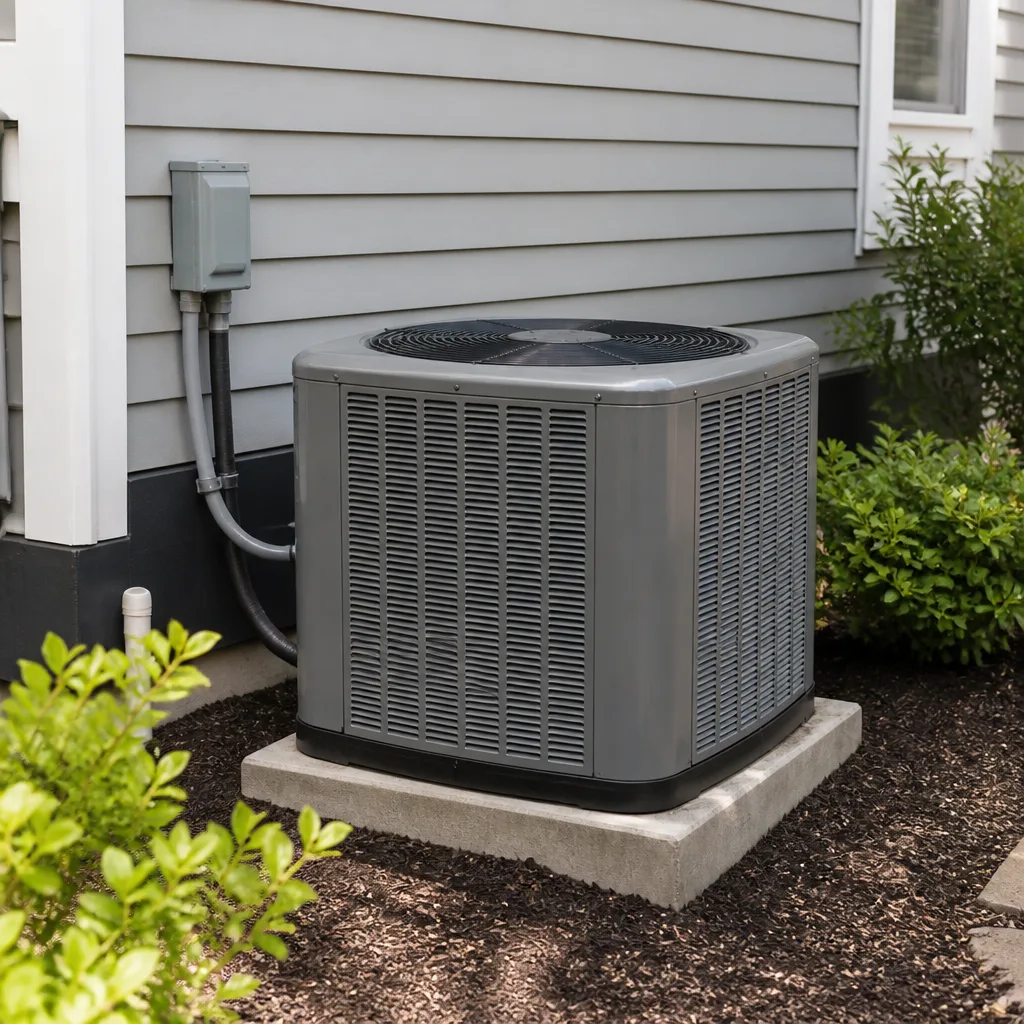 AC repair
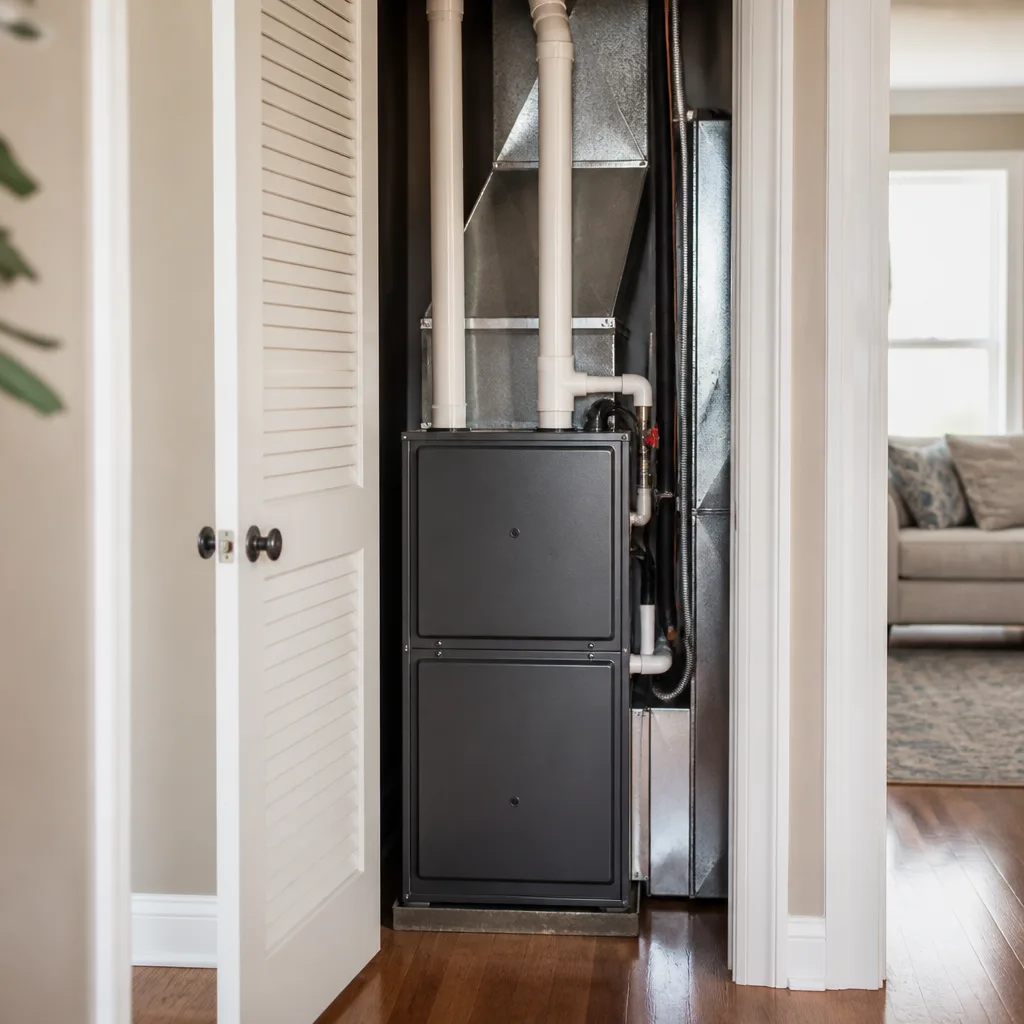 Furnace & heating
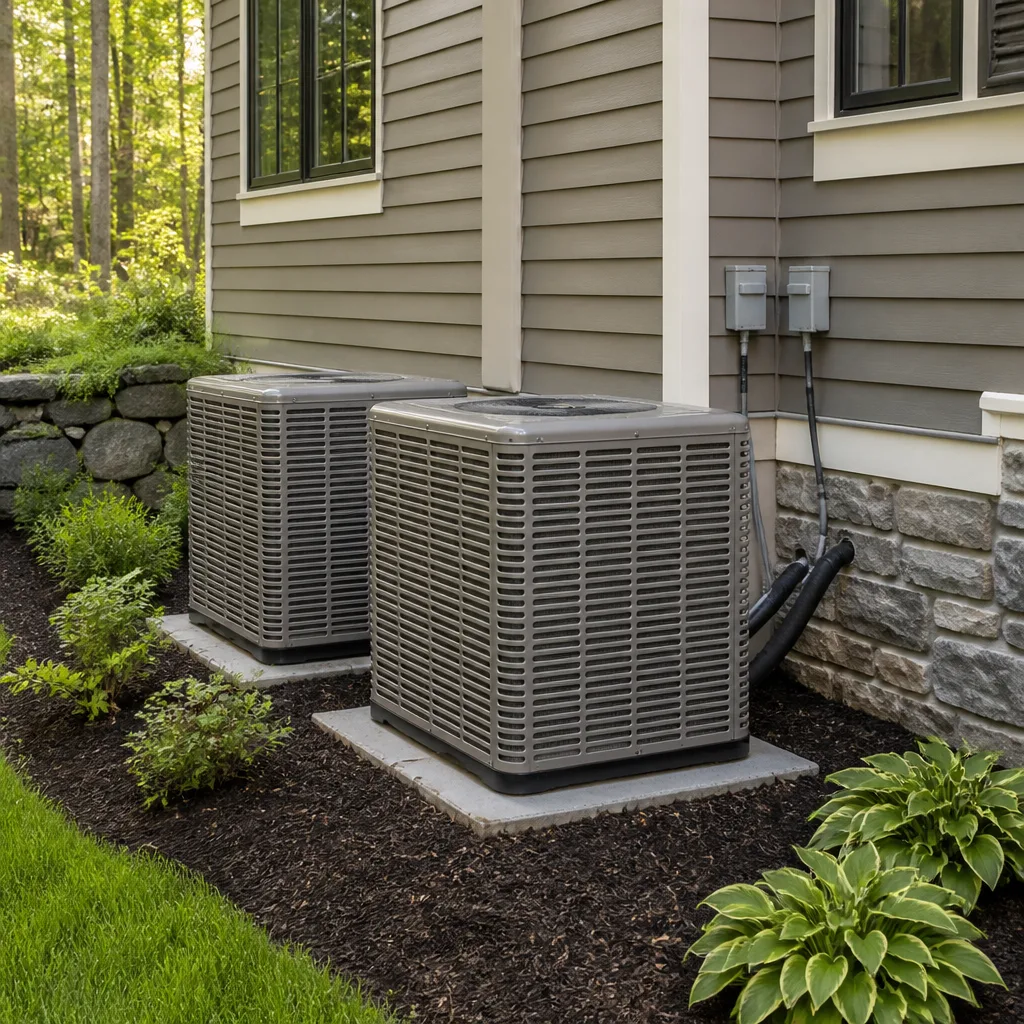 Heat pumps
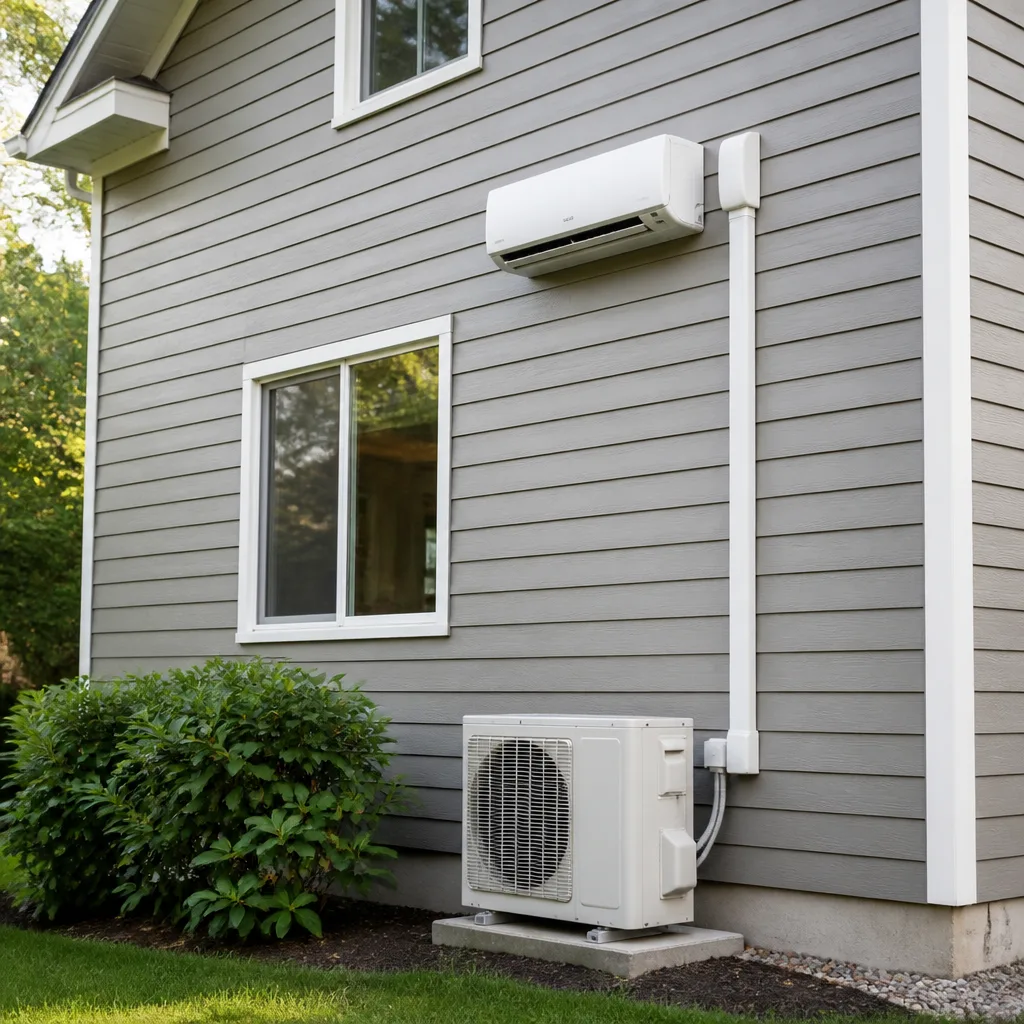 Ductless mini splits
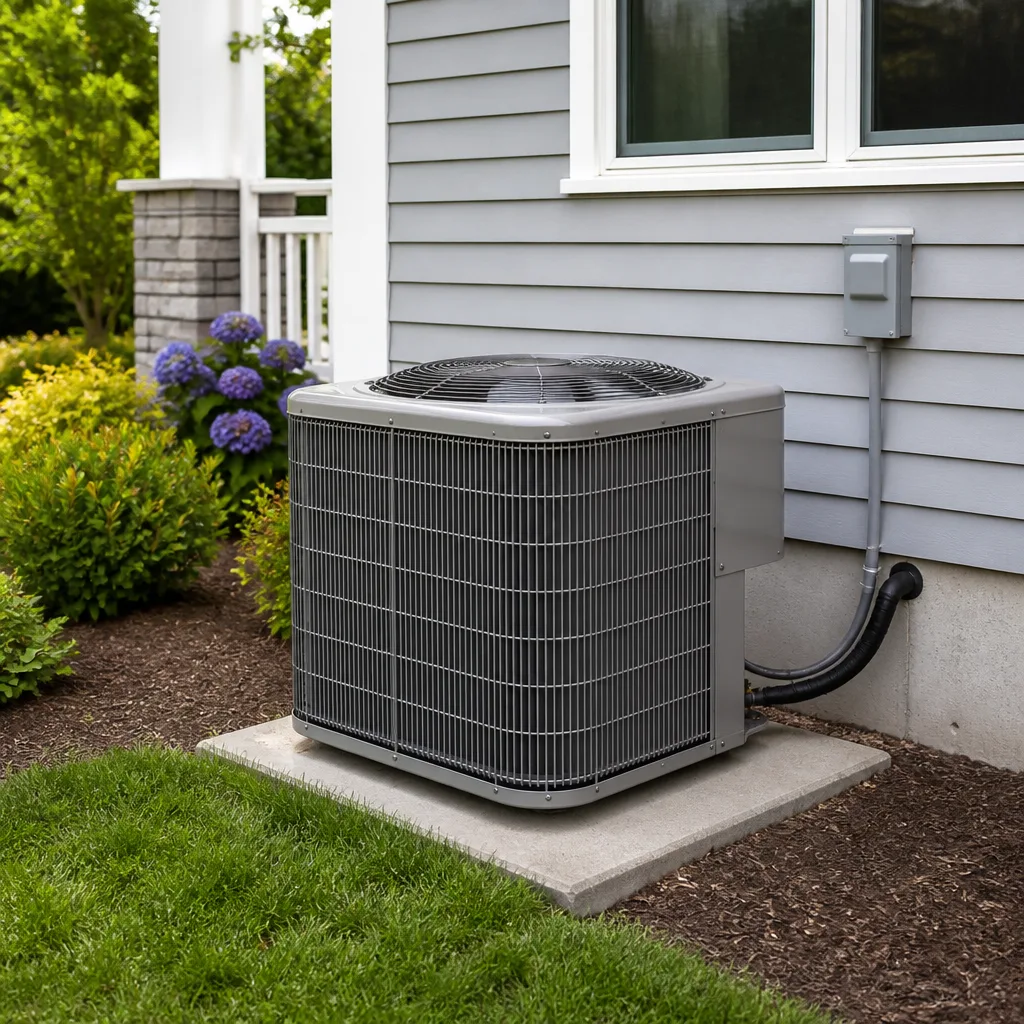 Carrier
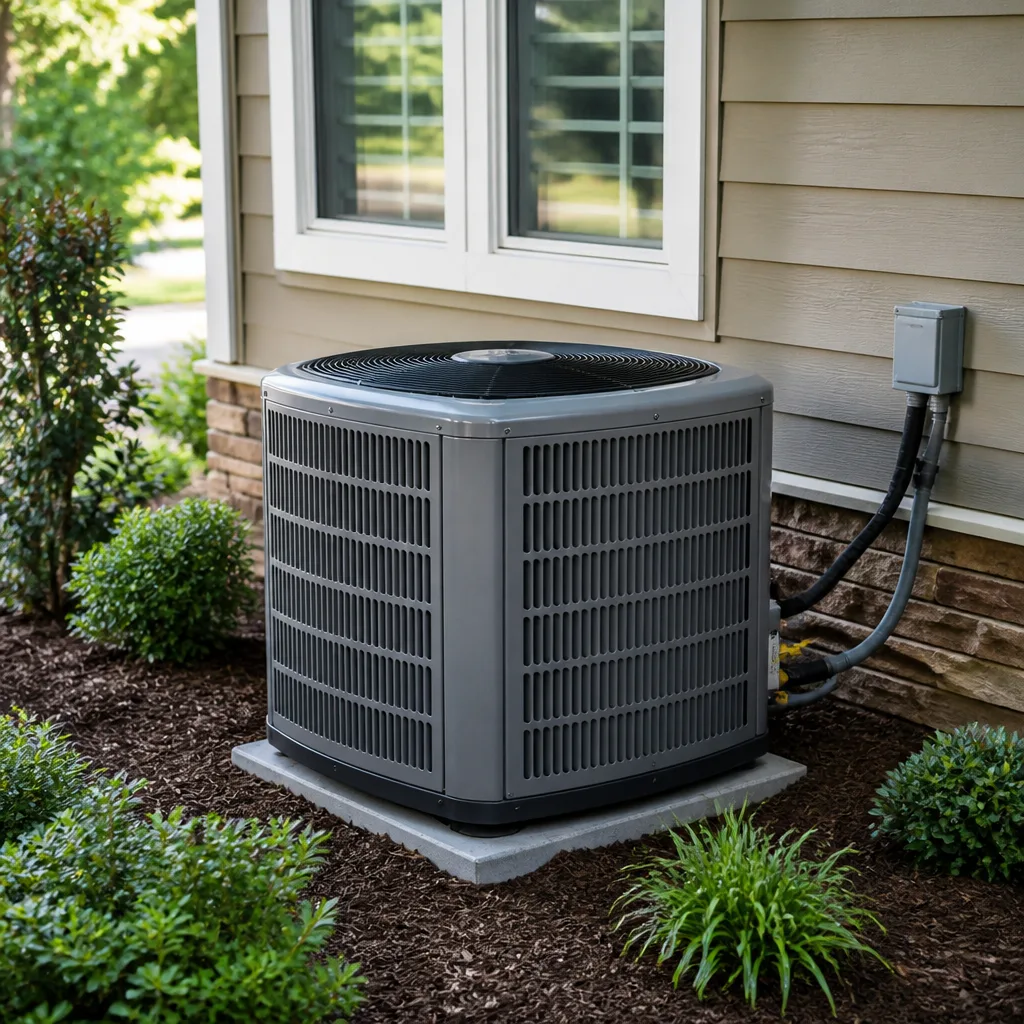 Trane
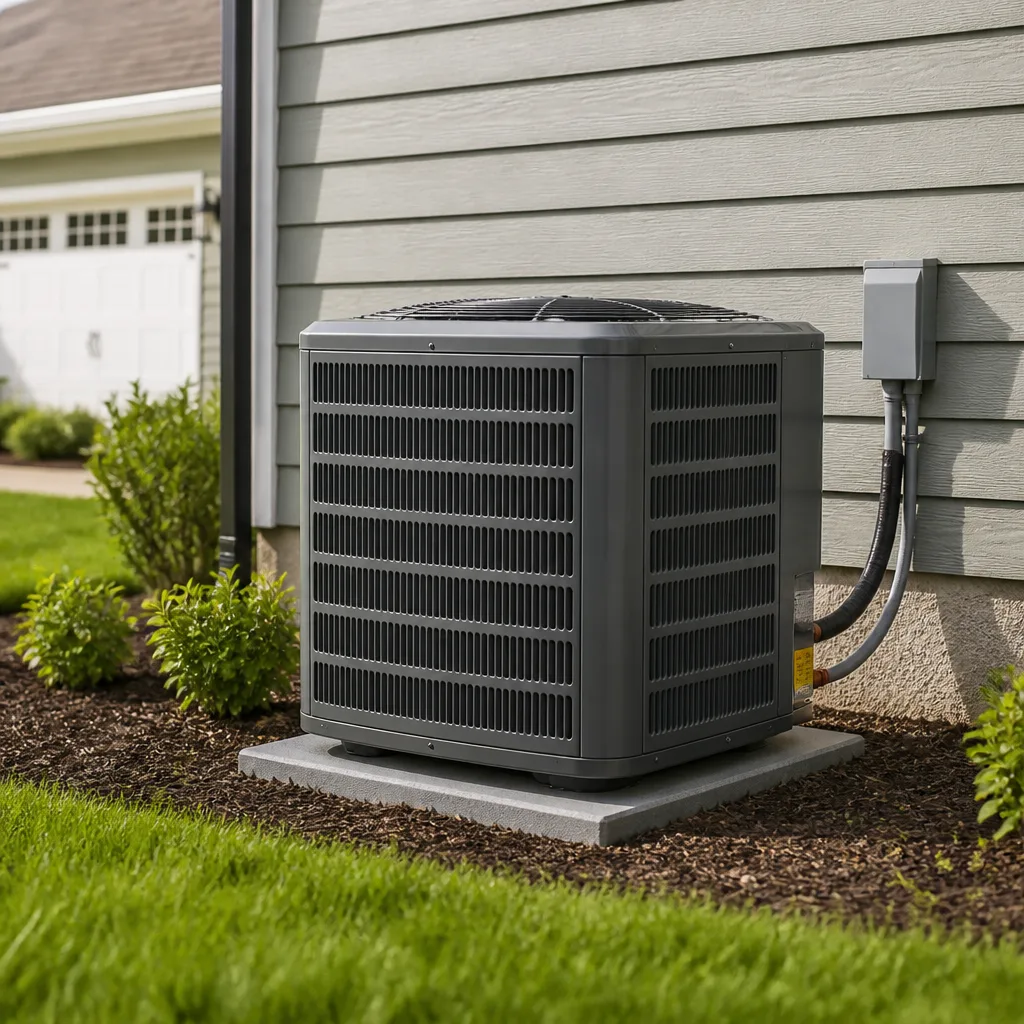 Goodman
Seasonal tune-up and full diagnostic on your Carrier, Trane, or Goodman system - readings shown to you before any repair is proposed
Diagnosis first, numbers second - you approve the repair price before a single part goes in.
Get your free estimateAC Repair Maintenance Checklist for Sandy Springs Homeowners
A clogged condensate drain line is a $0 fix if caught early, but it is the single most common reason Sandy Springs homeowners need an emergency AC call in July, when wait times stretch past 48 hours and indoor temperatures climb into the high 80s. This guide is not a generic list of HVAC tasks. It is built around the specific failure patterns that Sandy Springs’ high-pollen springs and humid summers create, so you know exactly what to watch for in the 30 days between professional visits, exactly what a neglected item costs to ignore, and exactly what to say when you pick up the phone.
Styles & brands we work with
Quick Answer
An AC maintenance checklist for Sandy Springs homeowners should include monthly filter checks during high-pollen months (February through August), monthly condensate drain flushes with white vinegar, quarterly outdoor coil rinses, and a professional tune-up each spring before the humidity settles in. The most important homeowner task is watching the condensate drain line for early warning signs, because a clogged drain is the leading cause of AC Repair emergency calls in Sandy Springs during peak summer heat.
Table of Contents
- Why Sandy Springs’ Pollen Calendar Changes Your Maintenance Schedule
- The Five Condensate Drain Warning Signs Every Homeowner Should Know
- Your Month-by-Month AC Maintenance Checklist for Sandy Springs
- What You Can Observe About Refrigerant Without Touching Anything
- How a $12 Indoor Thermometer Changes Your Repair Call
- What a Professional Tune-Up Should Include in Sandy Springs
- Post-Repair Verification: How to Confirm a Fix Actually Held
- Common Mistakes to Avoid
- When to Call a Professional
- Frequently Asked Questions
- The Bottom Line
Why Sandy Springs’ Pollen Calendar Changes Your Maintenance Schedule
Most AC maintenance checklists treat every month the same. That does not work in Sandy Springs. The tree canopy here, especially the oaks, pines, and sweetgums that line the streets around Dunwoody and the Chattahoochee River corridor, releases pollen from February through May, and the grass pollen follows from June through August. Each pollen type clogs a different part of your system, and understanding that rhythm tells you what to do and when.
Tree pollen in early spring is coarse and sticky. It collects on the outdoor condenser coil first, forming a film that reduces airflow across the coil. When airflow drops, the system works harder, and your electric bill climbs even though the house feels the same. Grass pollen in summer is finer and drier. It slips past a standard fiberglass filter and coats the evaporator coil inside the air handler, where moisture makes it mat down into a paste. That paste is what feeds mold and pushes your system toward a freeze-up.
In our experience working on homes across Sandy Springs, from Riverside Drive to Spalding Drive, the homes with mature trees on the lot need filter attention every three weeks during March and April, not the standard 90 days. The homes near open grassy areas, including the neighborhoods around Morgan Falls and Abernathy Greenway, see their worst filter loading in June and July. A homeowner who understands this pattern can catch most problems before they become repair calls.
The Sandy Springs Pollen Load by Month
- February through May: Tree pollen is heaviest. Rinse the outdoor coil monthly and check the filter every three weeks. Pine pollen is yellow and visible, but oak pollen is nearly invisible and just as sticky.
- June through August: Grass pollen dominates, and humidity peaks. Pour one cup of white vinegar down the condensate drain line monthly and watch for the drain warning signs listed below.
- September through November: Ragweed arrives, and falling leaves plug the bottom of the outdoor unit. Clear leaves from the unit perimeter weekly.
- December through January: The system runs less, but the drain line can still develop a slow sludge. Pour vinegar down the drain line once in January to soften any buildup before spring.
This rhythm matters because a filter that is only checked once a season in Sandy Springs will be clogged for roughly six weeks before anyone notices. That is six weeks of reduced airflow, higher humidity indoors, and strain on a blower motor that is expensive to replace. The filter is the cheapest part of your system and the easiest to monitor.
The Five Condensate Drain Warning Signs Every Homeowner Should Know
Your AC removes gallons of water from the air every summer day in Sandy Springs. That water leaves the house through a small PVC pipe called the condensate drain line. When that line clogs, the water backs up and spills over the drain pan inside the air handler. From there, it soaks into drywall, flooring, and whatever is stored in the closet or attic near the unit. Here are the five signs you can see or hear before the damage reaches drywall.
Sign One: Water Stains on the Ceiling Below the Air Handler
If your air handler is in the attic, a clogged drain shows up as a tea-colored stain on the ceiling directly below the unit. The stain often starts small, about the size of a dinner plate, and grows in a ring pattern. If you see this, shut the system off at the thermostat and call a technician. The repair is usually simple, but every hour the system runs makes the stain larger.
Sign Two: A Musty Smell That Gets Stronger When the AC Kicks On
Standing water in the drain pan grows bacteria and mold within days in Sandy Springs’ summer humidity. The smell is often described as wet socks or a damp basement. It comes through the vents because the blower pushes air across the wet pan. This smell is not solved by air fresheners or duct cleaning. The water has to be drained and the pan cleaned.
Sign Three: Visible Water Around the Indoor Unit
If your air handler is in a closet or basement, you may see water pooling on the floor around the base of the unit or dampness on the filter access panel. Some homeowners also find water in the emergency drain pan under the unit. The emergency pan has a secondary drain line that exits near a window or eave, and water dripping from it is a clear signal the primary line is clogged.
Sign Four: Small Gnats or Moth Flies Near the Indoor Unit
Standing water attracts insects. If you notice tiny flies hovering near the air handler or around the drain outlet outside the house, the standing water in the pan is likely the breeding source. This is often the first sign homeowners notice because the flies are visible long before the ceiling stain appears.
Sign Five: The System Runs Constantly but the House Feels Humid
A partially clogged drain line restricts the system’s ability to remove moisture. The thermostat says it is 74 degrees, but the air feels sticky. If the humidity inside your Sandy Springs home stays above 60 percent even while the AC runs, check the drain line before you call for a refrigerant diagnosis. A $0 vinegar flush often solves the problem.
All five of these signs are visible to a homeowner without opening any part of the system. You do not need tools or training. You just need to know what you are looking at. And when any of these appear, the fix is almost always under $200 if addressed within the first few days. If ignored for weeks, the same clog can become a $3,000 drywall and flooring repair.
Your Month-by-Month AC Maintenance Checklist for Sandy Springs
This checklist is written for the homeowner, not the technician. Each item takes less than 10 minutes and requires nothing beyond what you already have in the house, except for one $12 thermometer we cover later. Follow this schedule and you will catch most problems weeks before they become emergency calls.
Every Month During Cooling Season (April through October in Sandy Springs)
- Check the air filter. Hold it up to a light. If you cannot see light through it, replace it. In March and April, check every three weeks.
- Pour one cup of white vinegar down the condensate drain line. Find the drain access point near the indoor unit, usually a capped PVC tee. The vinegar dissolves sludge without damaging the pipe.
- Walk outside and look at the outdoor unit. Clear away leaves, grass clippings, and mulch within two feet. Sandy Springs yards produce a lot of organic debris, and the condenser needs open airflow.
- Listen for a gurgling sound from the drain line or the indoor unit. A gurgle means air is passing through water, which means a partial clog is forming.
Every Three Months
- Rinse the outdoor coil with a garden hose using gentle pressure. Turn off the system at the thermostat first. Spray from the top down to wash pollen and dust out of the fins. Do not use a pressure washer; it folds the fins flat and makes the problem worse.
- Inspect the insulation on the refrigerant lines where they enter the house. It should be intact and dry. Cracked or missing insulation lets condensation drip onto whatever is below.
- Check the drain line outside. You should see water dripping when the AC runs on a humid day. No drip after 15 minutes of run time is a sign of a developing clog.
Once Per Year, Before the Heat Settles In
- Schedule a professional tune-up. The ideal window in Sandy Springs is late March to early April, after tree pollen peaks but before the first stretch of 90-degree days.
- Have the technician measure the temperature drop across the coil. A healthy system shows a drop of 15 to 20 degrees between the return air and the supply air. Anything below 15 degrees means the system is not cooling properly, and anything above 22 degrees can indicate low airflow.
- Have the capacitor tested. Capacitors fail without warning in Sandy Springs because summer heat and power surges strain them. A capacitor that tests weak in April costs under $150 to replace. A capacitor that fails in August costs the same part, plus an emergency service fee, plus a night in a hot house.
What You Can Observe About Refrigerant Without Touching Anything
Refrigerant is not a homeowner-serviceable item. It requires a licensed technician with gauges to measure and adjust, and federal law regulates who may handle it. But you can observe three things from outside the system that tell you whether a refrigerant problem is developing, and those observations change how fast you should call.
First, look at the larger of the two copper lines running into the outdoor unit. If you see frost or solid ice on that line while the AC runs, the system is undercharged or starving for airflow. Ice on the line means the evaporator coil is freezing, and the system will eventually shut itself off or send warm air through the vents. Turn the system off at the thermostat and let the ice thaw, then call a technician. Running a frozen system can damage the compressor.
Second, feel the air coming from the vents. If it is cool but not cold, roughly 65 to 70 degrees, and the thermostat keeps dropping without reaching the set point, the system may be low on refrigerant. A healthy system in Sandy Springs delivers air around 55 degrees at the vent on a hot afternoon. Warmer air that never improves is a signal.
Third, watch the cycle pattern. Short cycling, where the compressor kicks on for five minutes, shuts off, then kicks on again ten minutes later, often points to a refrigerant or pressure problem. Normal cycles in our humid climate run 15 to 25 minutes on a 90-degree day. Short cycling is hard on the compressor and raises your electric bill even when the house stays comfortable.
None of these observations require opening a panel or touching a refrigerant line. Do not do either of those things. The observations tell you when to make the call, and the technician arrives with the right tools and the right knowledge to handle the rest. Refrigerant troubles are among the few AC repairs that genuinely warrant a same-day call, because a leaking system loses cooling capacity quickly and can damage the compressor if ignored.
How a $12 Indoor Thermometer Changes Your Repair Call
When a homeowner calls a repair company and says “the AC isn’t cooling right,” the technician has to start from zero. When a homeowner says “the air at the vent is 64 degrees and the return is 76 degrees, and it is taking 45 minutes to drop the house one degree,” the technician arrives with a working diagnosis already in hand. That data changes the visit. It cuts the time spent finding the problem, and it protects you from paying for diagnostics that the system could have told you for free.
Buy a simple indoor thermometer, often sold as a refrigerator or room thermometer, for around $12. Place it at the return vent, the big vent where the filter sits, and note the temperature. Then hold it at the nearest supply vent, the small ones that blow air out, for two minutes and note that temperature. The difference between those two numbers is called the temperature split, and it is the single most useful piece of data you can bring to a repair call.
A healthy system shows a split of 15 to 20 degrees. If your split is 10 degrees, the system is running but not cooling effectively, which narrows the problem to airflow, charge, or a failing compressor. If your split is 22 degrees or higher, airflow is restricted, usually by a dirty filter, a dirty coil, or undersized ductwork. You cannot fix any of these from the vent, but you can tell the technician exactly what you measured.
This matters for your written estimate too. When we send a technician to a AC repair in Sandy Springs, the written price before any work starts depends partly on an accurate diagnosis. A homeowner who provides temperature data helps the technician confirm the diagnosis faster, and that means less labor time billed. It is not about doing the work yourself. It is about showing up to the conversation with information instead of just a complaint.
Document the numbers on a note card or a phone note. Date, outdoor temperature, return temperature, supply temperature, and how long the system ran to cool the house one degree. Over a few weeks, this record shows whether the system is declining gradually, which points to a slow leak or a dirty coil, or failing suddenly, which points to a component break. That distinction tells you whether you are looking at a repair or a replacement decision. For homeowners considering a new system, see AC installation in Sandy Springs for what a load calculation and written fixed price actually involve.
What a Professional Tune-Up Should Include in Sandy Springs
A professional tune-up is not a filter change with a marketing wrapper. In Sandy Springs, where a system can run 2,000 hours a year and sit in humid air the rest of the time, a real tune-up touches every part of the system that wears, fouls, or corrodes. Here is what you should expect, and what you should ask about if the technician does not mention it.
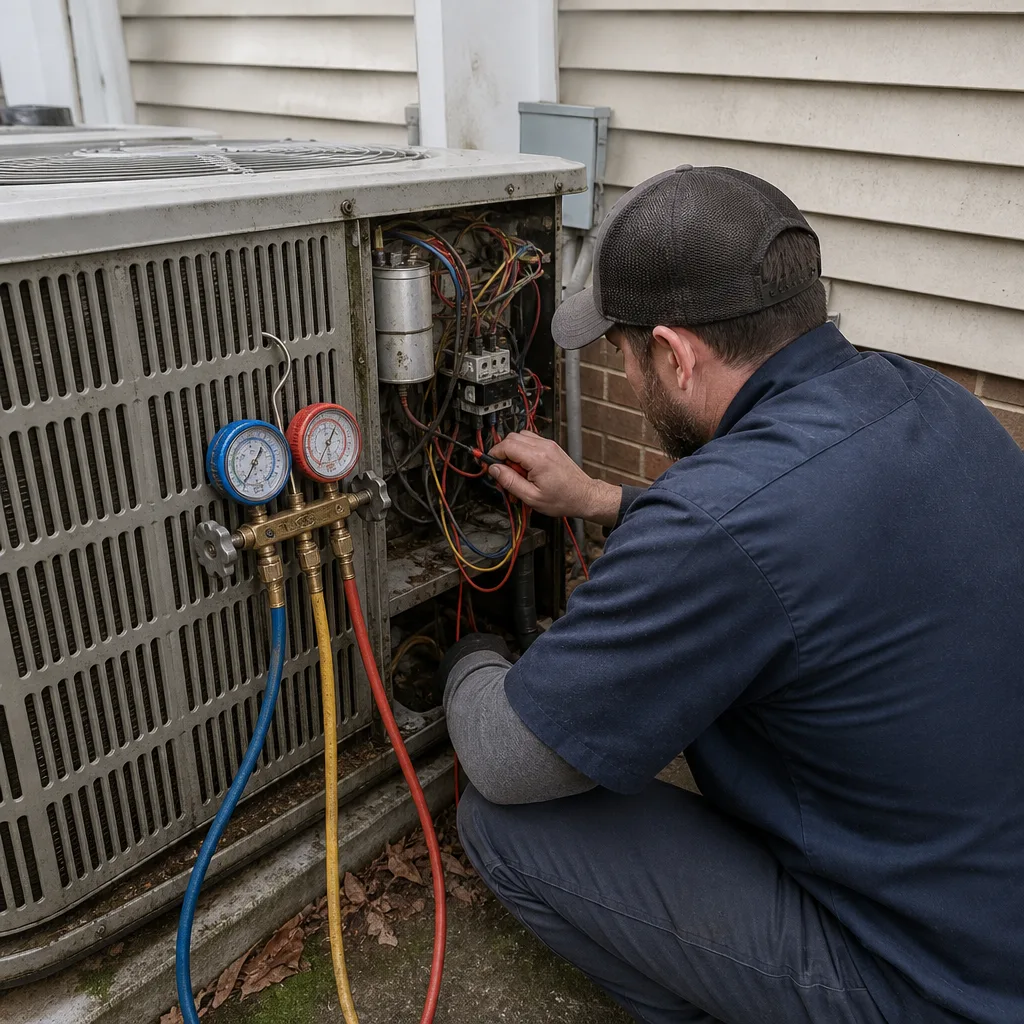
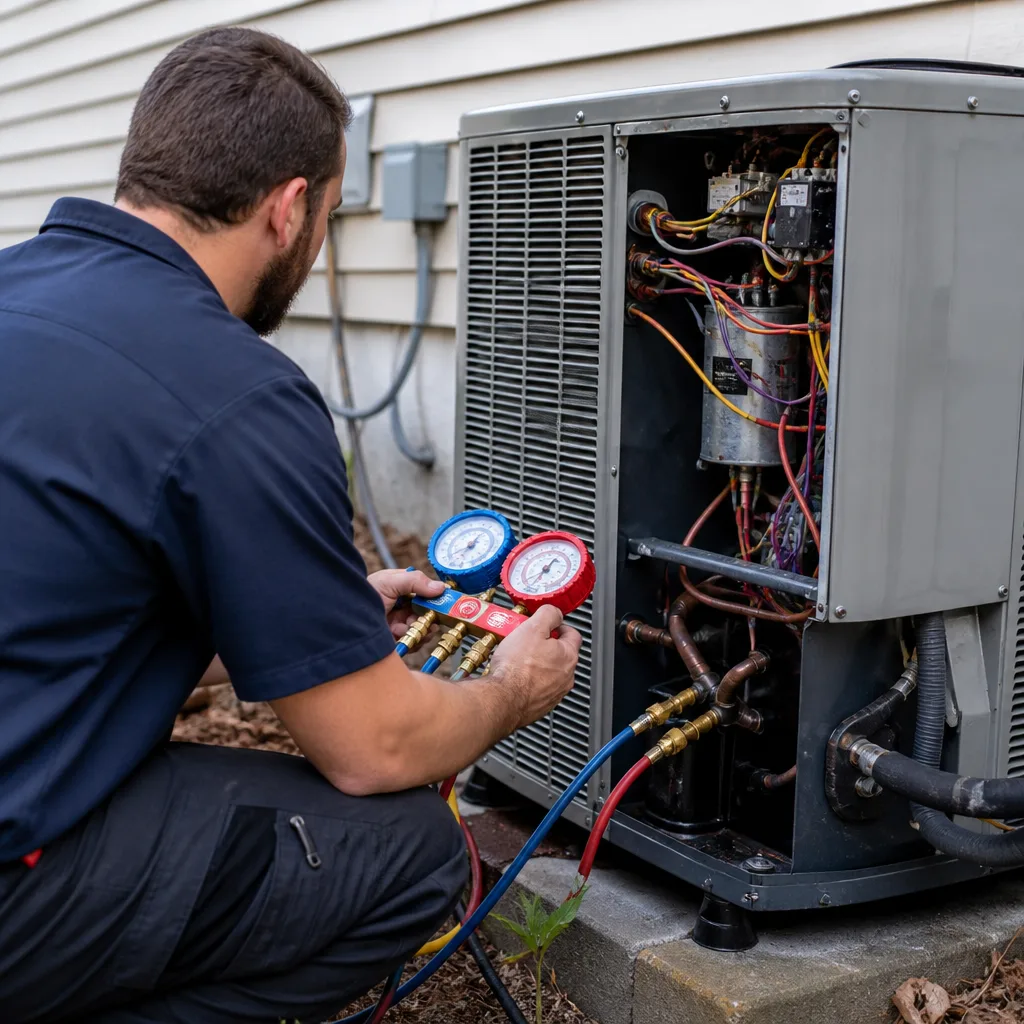
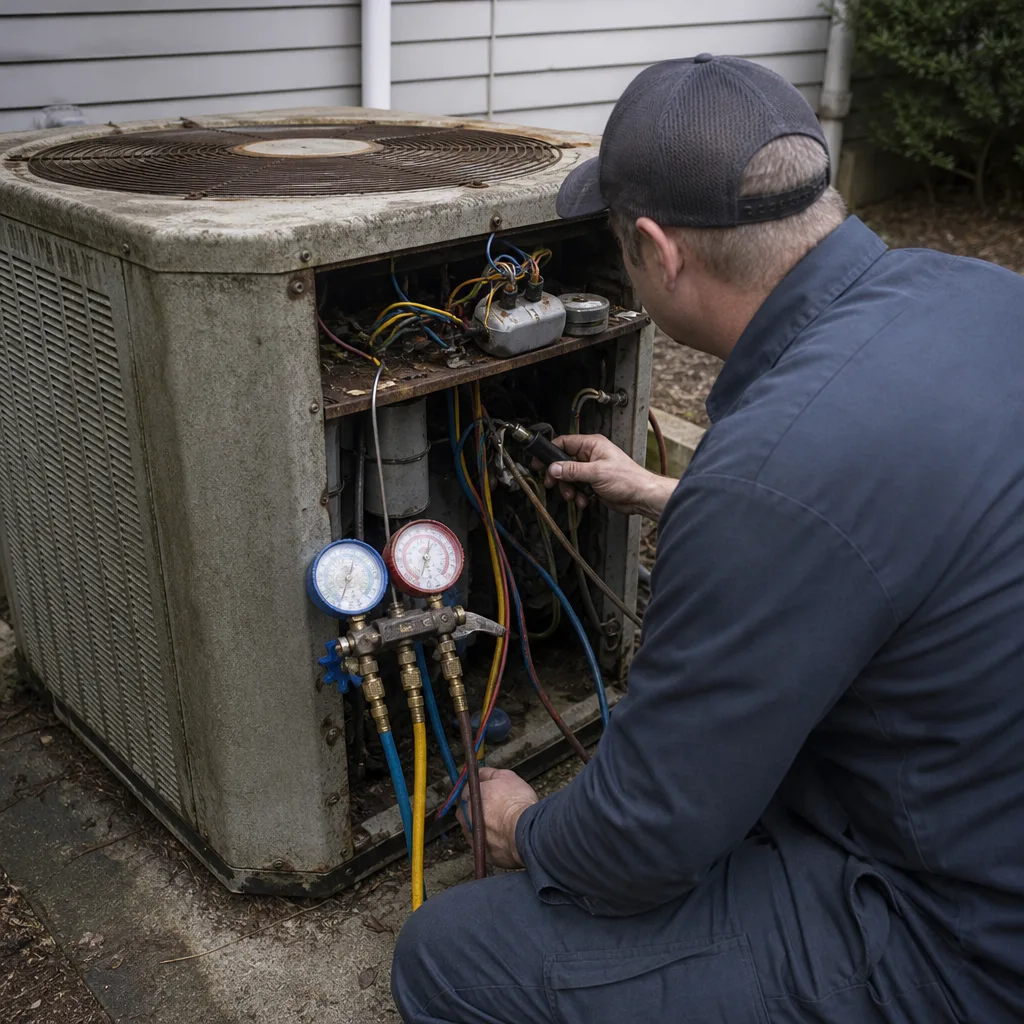
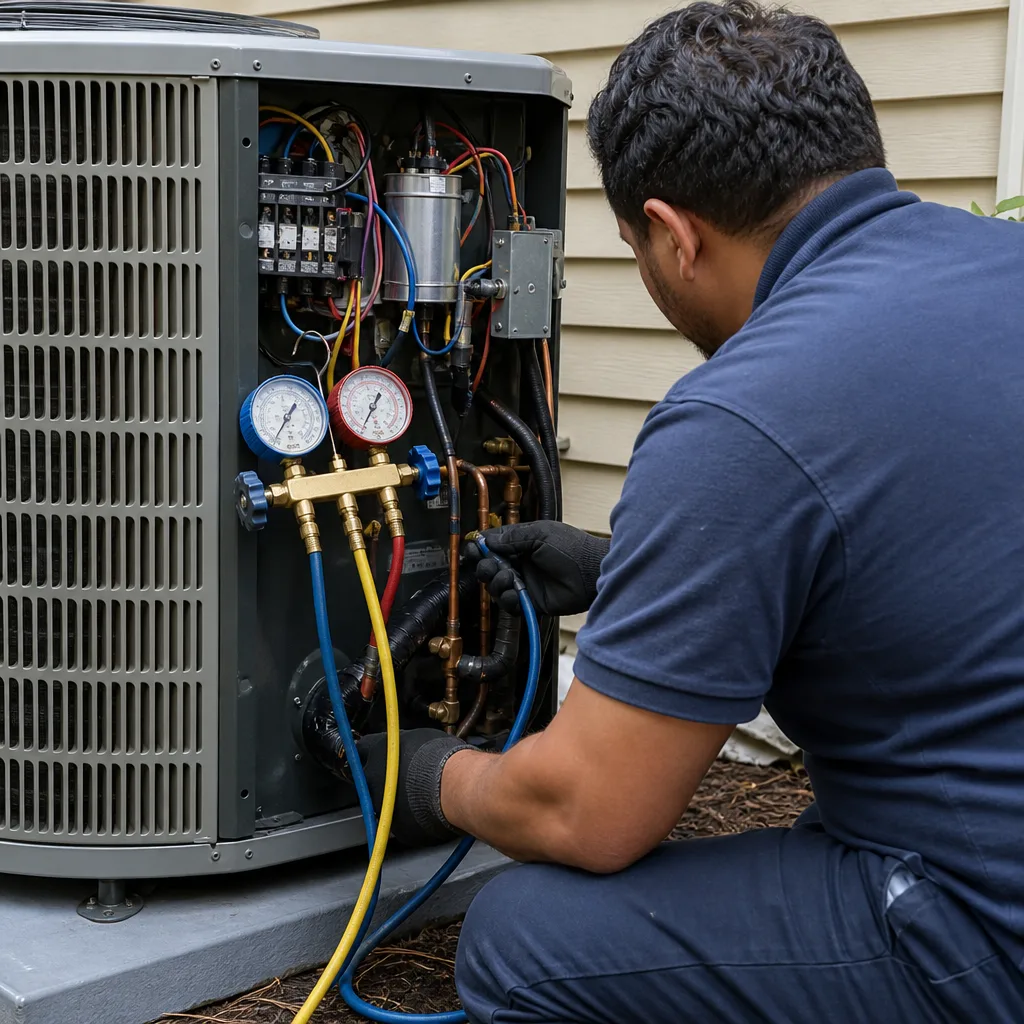
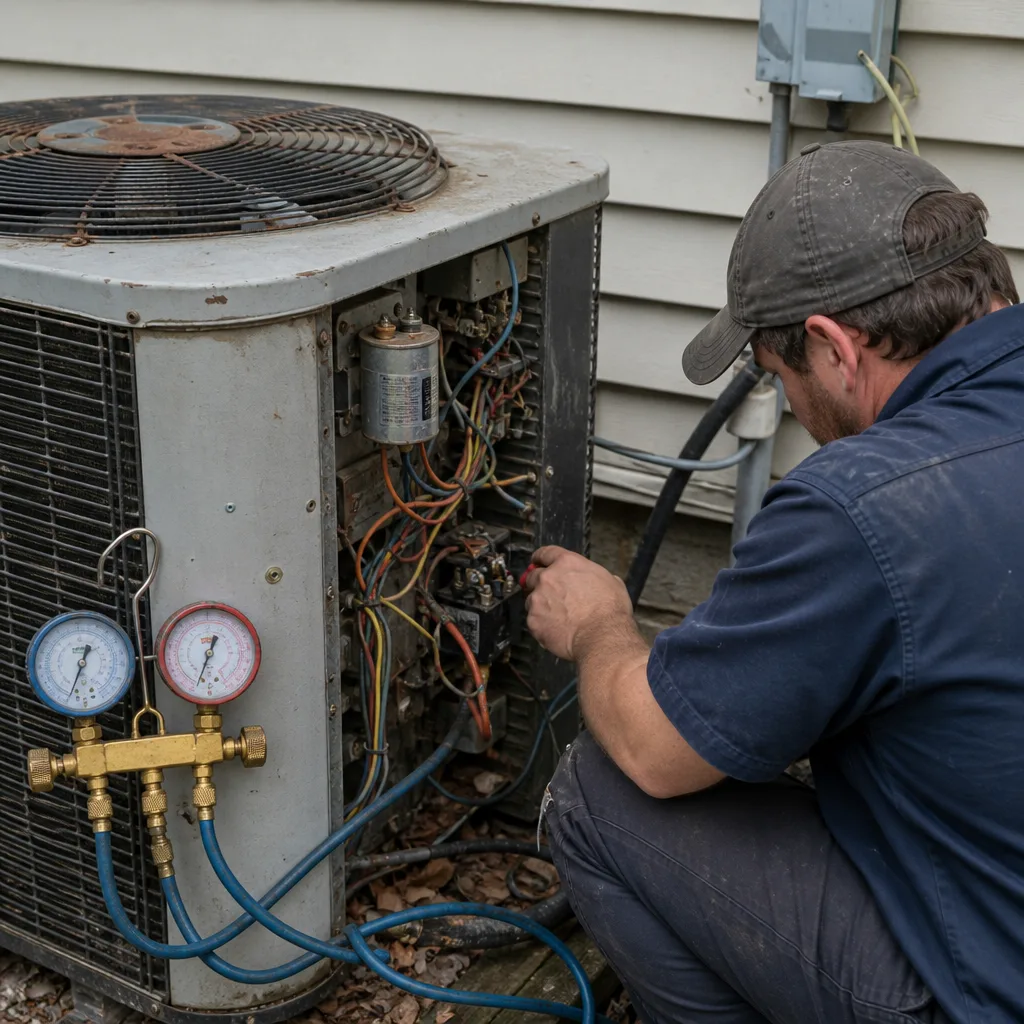
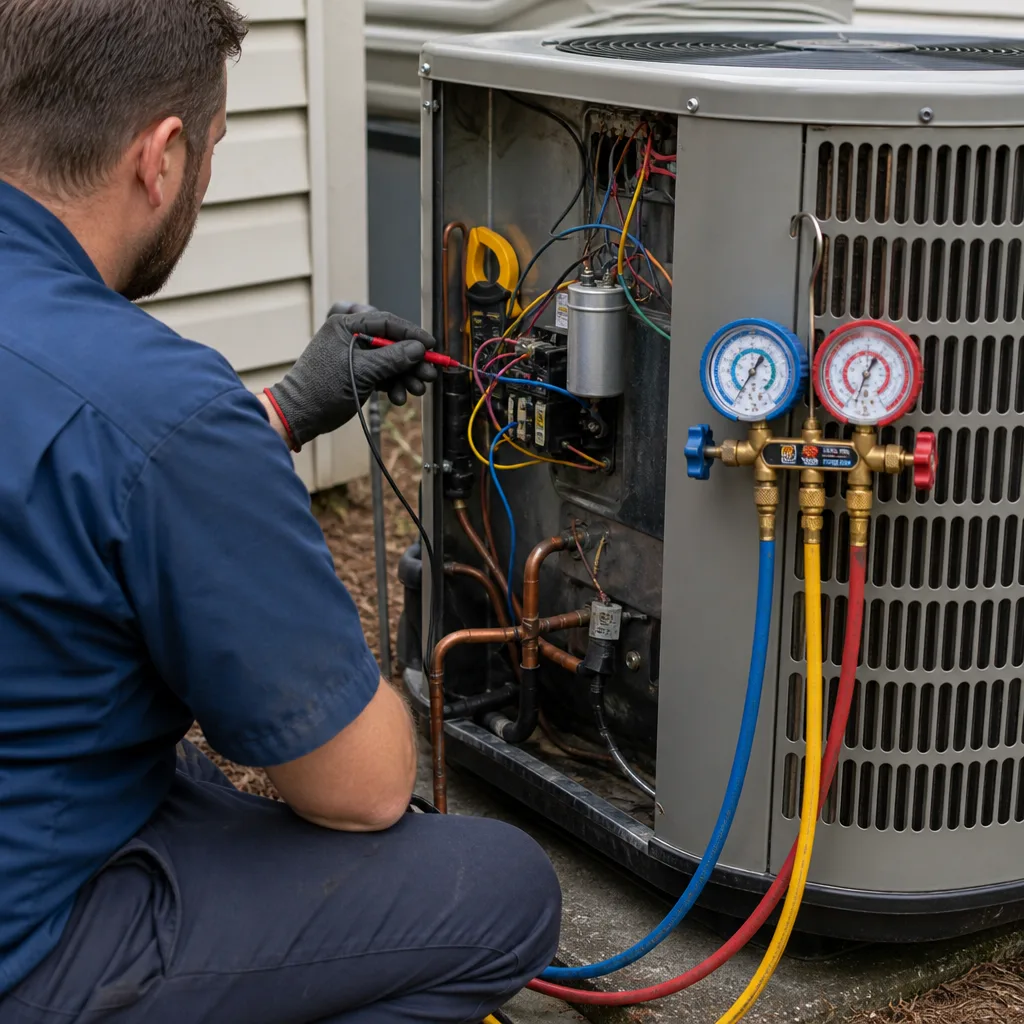
The outdoor coil should be cleaned with a proper coil cleaner, not just rinsed. The fins should be inspected and straightened where they are bent. The drain line should be flushed with a volume of water, not just treated with a cup of vinegar, to confirm the line flows freely all the way outside. The capacitor should be tested for microfarad rating under load, because a capacitor that tests fine at rest can fail the moment the system asks for starting power. The contactor should be inspected for pitting and burned contacts. The refrigerant pressures should be measured with gauges, and the temperature split should be recorded.
Inside the house, the evaporator coil should be inspected for the grass pollen paste that builds up through the summer. If it is dirty, the technician should quote cleaning it as a separate line item, because coil cleaning is not included in a basic tune-up. The blower wheel should be inspected, especially if you have pets, because pet hair in the blower wheel reduces airflow as surely as a dirty filter. The thermostat should be calibrated or at least checked for accuracy.
You should receive a written report that lists what was checked, what was measured, and what passed or failed. A technician who cannot show you numbers for temperature split, capacitor reading, and refrigerant pressures did not perform a real tune-up. You should also receive a written price for any recommended repairs before you agree to them. That written-price standard is part of how Meadowsweet Heating and Air Sandy Springs home approaches every visit, and it is the only way to make an informed decision about your system.
Brand coverage matters too. Whether your system is a Lennox, a Goodman, a Rheem, or a York, the maintenance fundamentals are the same, but the specifics of the capacitor rating, the refrigerant type, and the warranty terms vary. A tune-up from a technician who works on multiple brands every week is more likely to spot a brand-specific failure pattern, like a known capacitor weakness or a design quirk in the drain pan. We service nine major brands, including those four, so the technician who arrives at your door has likely worked on your exact model before.
Post-Repair Verification: How to Confirm a Fix Actually Held
A repair is not complete when the technician leaves. It is complete when the system has run through several full cycles and the numbers hold. Here is how to verify a repair yourself, and what recourse you have if it does not hold.
Step one: take the same temperature split measurement you would take for a problem call. After a repair, the split should be back in the 15 to 20 degree range. If the repair involved the drain line, run the system for an hour and check that water is dripping steadily from the drain outlet outside, not pooling around the indoor unit. If the repair involved a refrigerant charge, run the system for a full day and watch for ice on the copper line or a return to short cycling.
Step two: check the repair area the next morning. If the technician was in the attic or a closet, look for water spots, loose insulation, or debris that was not there before. A clean work area is part of a professional repair, and it tells you the technician took care in the work itself.
Step three: keep your note card data going for at least one week after a major repair. A refrigerant leak repair that holds for a week but loses pressure over the next month was not caught at the time of repair, and your data is the evidence you need to make the case.
This is where a real guarantee changes the conversation. Every repair and installation from Meadowsweet Heating and Air Sandy Springs carries the 365-Day Done Right Promise. If the repair does not hold, we make it right. No runarounds, no fine print, no argument about whether it was working when we left. The promise is the bridge between the day of the repair and the day you feel confident the system is right. Most homeowners do not need to invoke a guarantee. But knowing it exists changes how it feels to write the check.
Common Mistakes to Avoid
- Ignoring the drain line until water appears. The drain line clogs slowly over weeks. By the time water shows up on the floor or ceiling, the damage is already underway. A monthly vinegar flush costs nothing and prevents most clogs entirely.
- Using the thickest filter you can buy. High-MERV filters restrict airflow in most residential systems, especially older ones. A filter that is too dense makes the system work harder and can cause freeze-ups. Use the MERV rating your system was designed for, usually 8 to 11 in Sandy Springs homes.
- Running the system with a frozen coil. A frozen evaporator coil blocks airflow completely and strains the compressor. If you see ice on the copper line or on the indoor coil, turn the system off and let it thaw before calling for repair. Running it frozen turns a simple fix into a compressor replacement.
- Closing vents in unused rooms to save money. Your system is sized for the whole house. Closing vents raises static pressure and can push the evaporator coil into a freeze, especially in humid weather. Leave the vents open and adjust the thermostat instead.
- Waiting until June to schedule a tune-up. By June, every HVAC company in Sandy Springs is booked out, and you will wait longer and pay more for a tune-up. March and April are the reliable months for preventive work.
- Letting the outdoor unit become a landscaping feature. Bushes, mulch, and decorative screens look nice, but they choke the condenser. Keep two feet of clear space on all sides, and trim back anything that has grown over the unit since last season.
- Calling for refrigerant before checking the simple things. Many “low refrigerant” calls turn out to be a dirty filter, a dirty coil, or a clogged drain. Check those three things first, and you might save yourself a service call entirely.
When to Call a Professional
Call a professional when the temperature split stays below 15 degrees after you have replaced the filter and flushed the drain line. Call when you see ice on the refrigerant line, because that is a freeze-up in progress, not a problem that resolves itself. Call when you find water inside the house near the air handler, or a ceiling stain below an attic unit, because the damage compounds by the hour. Call when you hear a grinding, screeching, or banging sound from either unit, because those are mechanical failures, not maintenance items. Call when the system runs for hours without reaching the set point on a 90-degree Sandy Springs afternoon. Meadowsweet Heating and Air Sandy Springs offers free estimates for homeowners in Sandy Springs. Call (229) 490-2049 and a live person answers, 24 hours a day, nights and weekends included. No voicemail queue.
Frequently Asked Questions
A standard AC tune-up in Sandy Springs typically costs between $89 and $180, depending on the season and the system’s condition. March and early April tune-ups are usually cheaper than June appointments. Repairs found during the tune-up are quoted separately with a written price before any work starts. Call (229) 490-2049 for a current tune-up price for your system.
Change your filter every 30 days during Sandy Springs’ pollen season, which runs from February through August, if you use a standard one-inch fiberglass filter. Homes with pets or mature trees on the property may need to check every three weeks in March and April. In the fall and winter, when the system runs less, a 60-day check is usually sufficient.
A humid house with a running AC almost always points to a clogged condensate drain line or a dirty evaporator coil, both of which reduce the system’s ability to remove moisture from the air. Flush the drain line with white vinegar and check the filter before calling for repair. If the humidity stays above 60 percent after that, the system needs a technician’s attention.
As a general rule, if the repair cost is more than 30 percent of the replacement cost and the system is over 12 years old, replacement is usually the better financial decision for a Sandy Springs homeowner. A refrigerant leak in an aging R-22 system often tips the scale toward replacement, because R-22 refrigerant is no longer produced and the recharge cost alone can exceed $1,000. For a written fixed price on a new system, see AC installation in Sandy Springs.
Clogged condensate drain lines are the most common AC repair in Sandy Springs, driven by the combination of high humidity and the organic material that enters the system from the area’s dense tree cover. The fix is usually inexpensive when caught early, but the water damage from an ignored clog can reach thousands of dollars. A monthly vinegar flush prevents most clogs.
Yes, because your AC and furnace share the same blower motor, air filter, and ductwork. A clogged filter or dirty blower wheel from a neglected AC season carries over into heating season and strains the same components. For furnace-specific maintenance questions, see furnace repair in Sandy Springs.
The Bottom Line
Your AC system in Sandy Springs faces a specific set of challenges: tree pollen in the spring, grass pollen and humidity in the summer, and long run hours that wear components quietly. The maintenance tasks that matter are not the complicated ones. Check the filter on a calendar, pour vinegar down the drain line monthly, keep the outdoor unit clear, and write down two temperatures once a month. That simple rhythm catches most failures before they become emergencies. When a repair is needed, know what you are looking at, bring your data to the call, and work with a company that puts a written price in your hand before any work begins. The system will run better, the house will stay drier, and July will feel a lot less unpredictable.
Written by Luis Serrano, Owner at Meadowsweet Heating and Air Sandy Springs, serving Sandy Springs since 2004.
See the difference
 Before
 After
 Before
 After
 Before
 After