
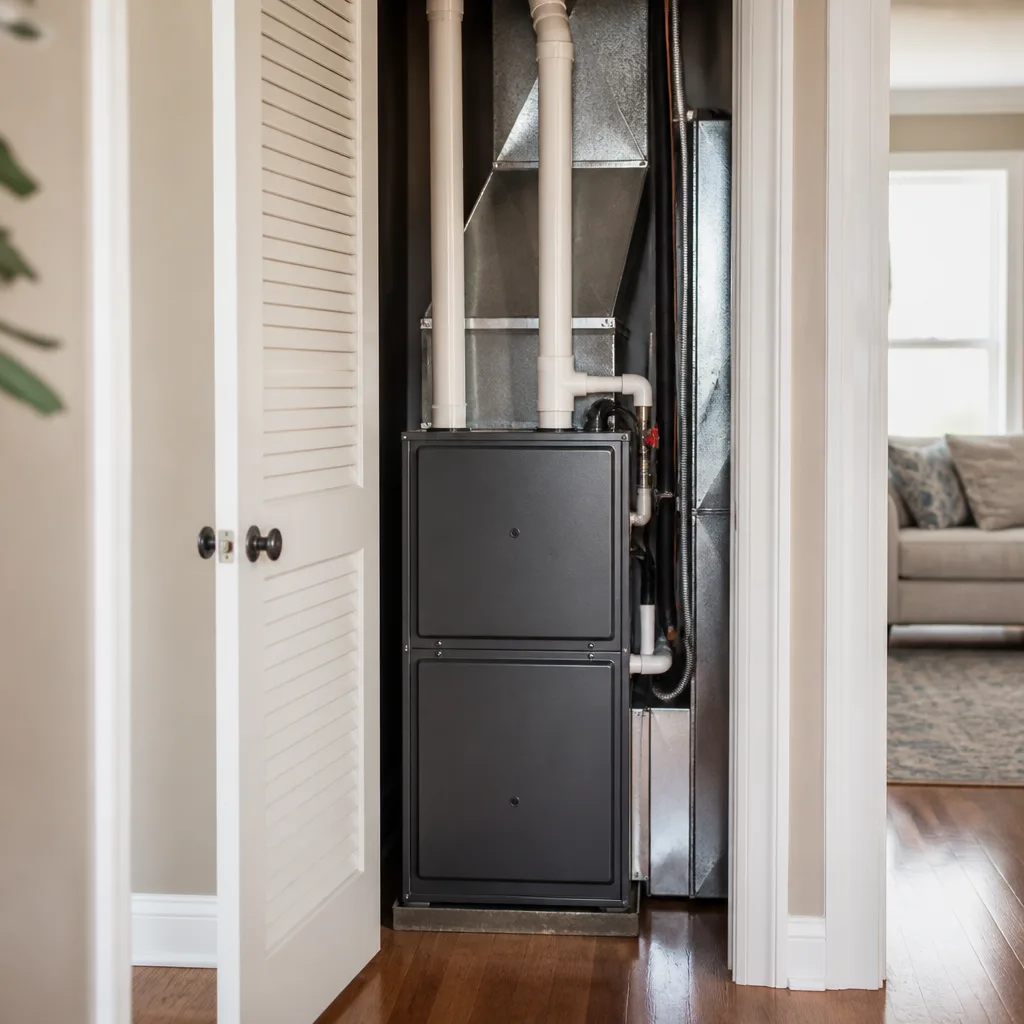
 Furnace & heating
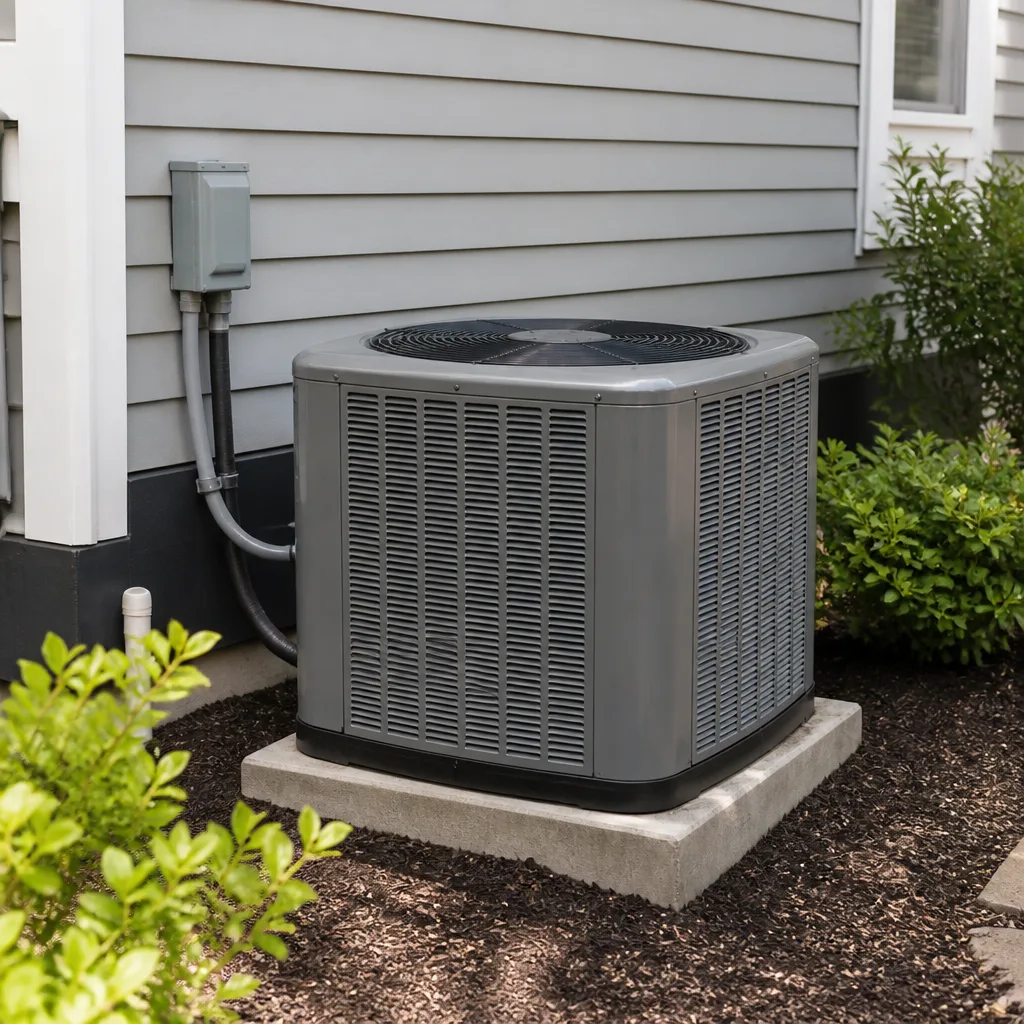 AC repair
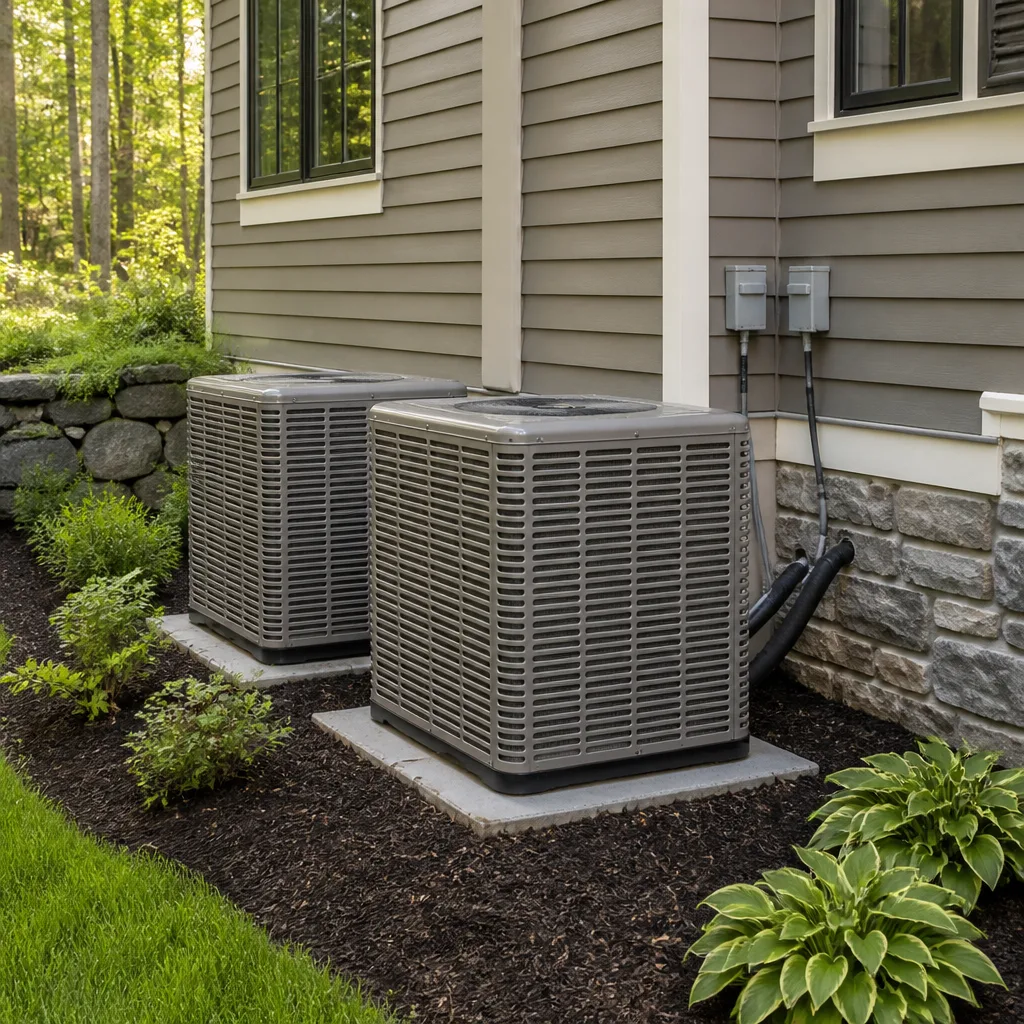 Heat pumps
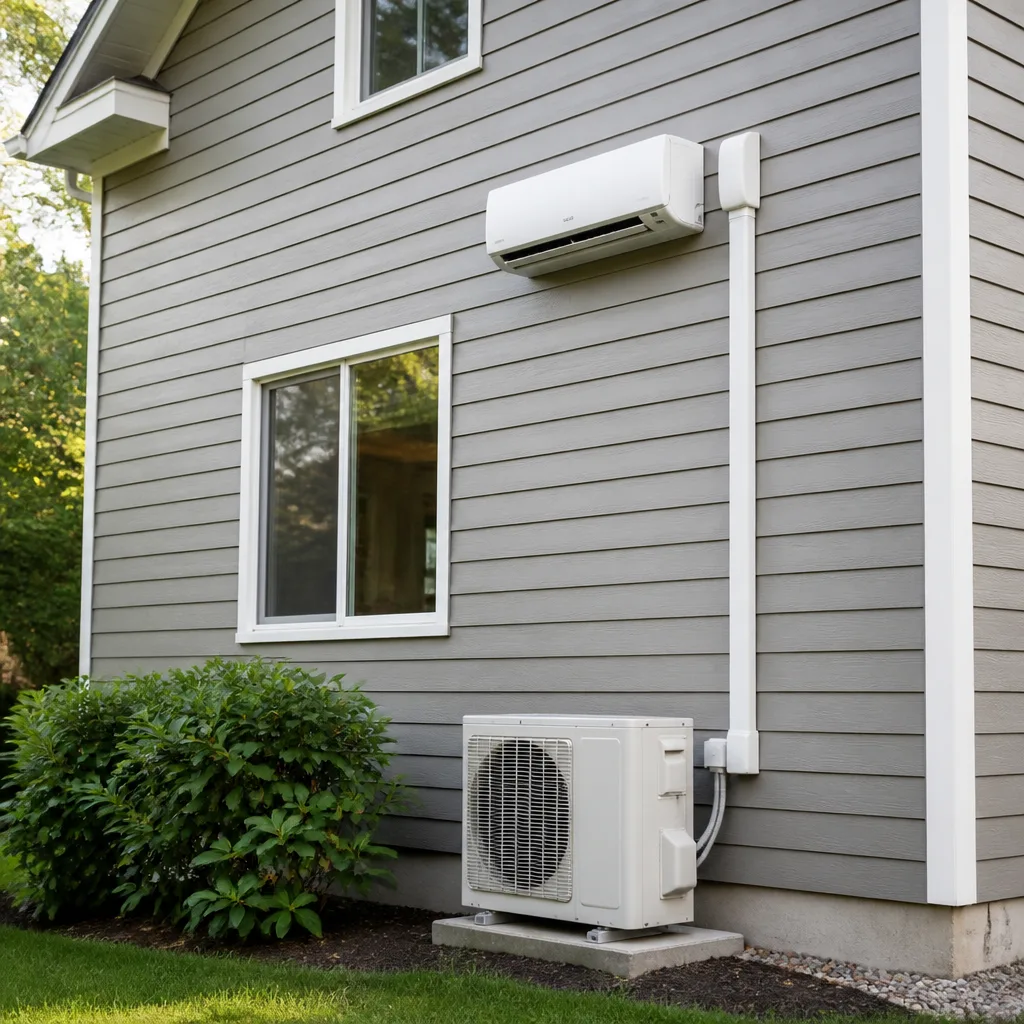 Ductless mini splits
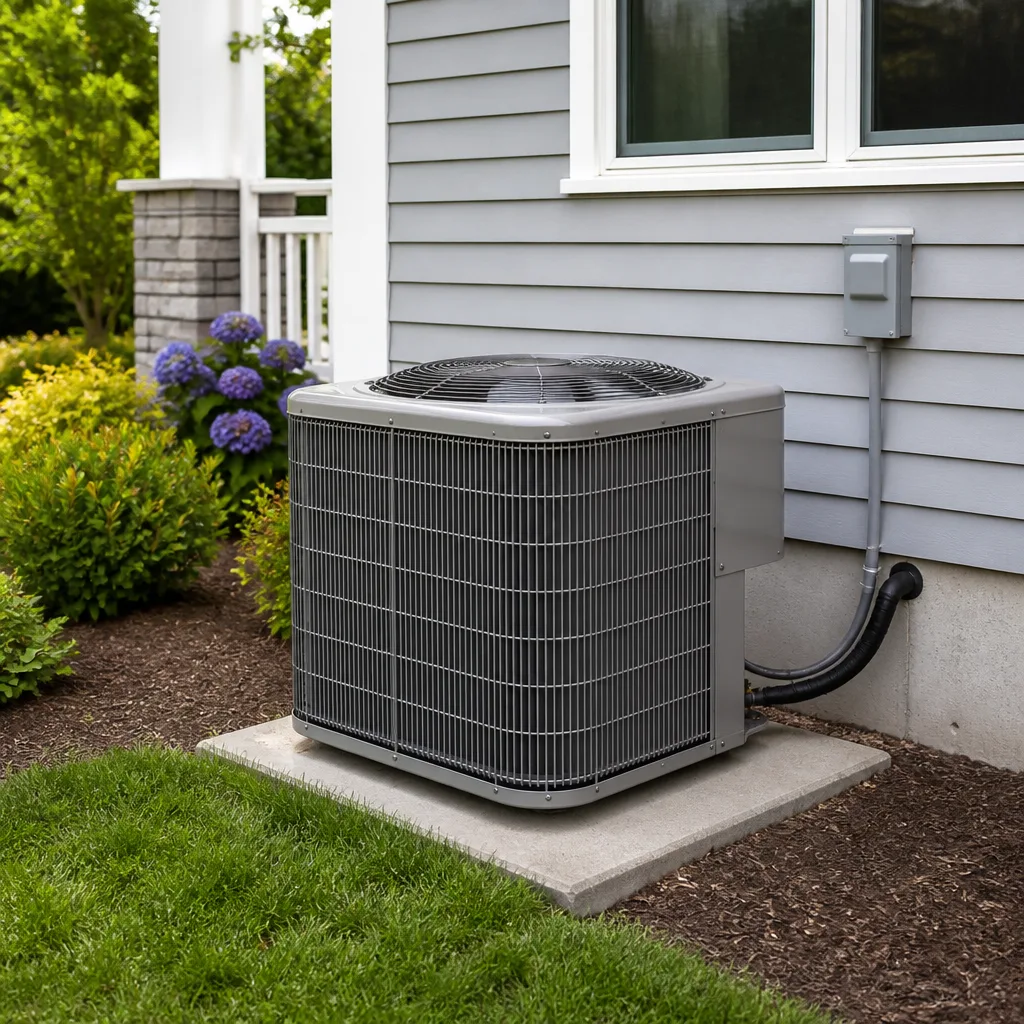 Carrier
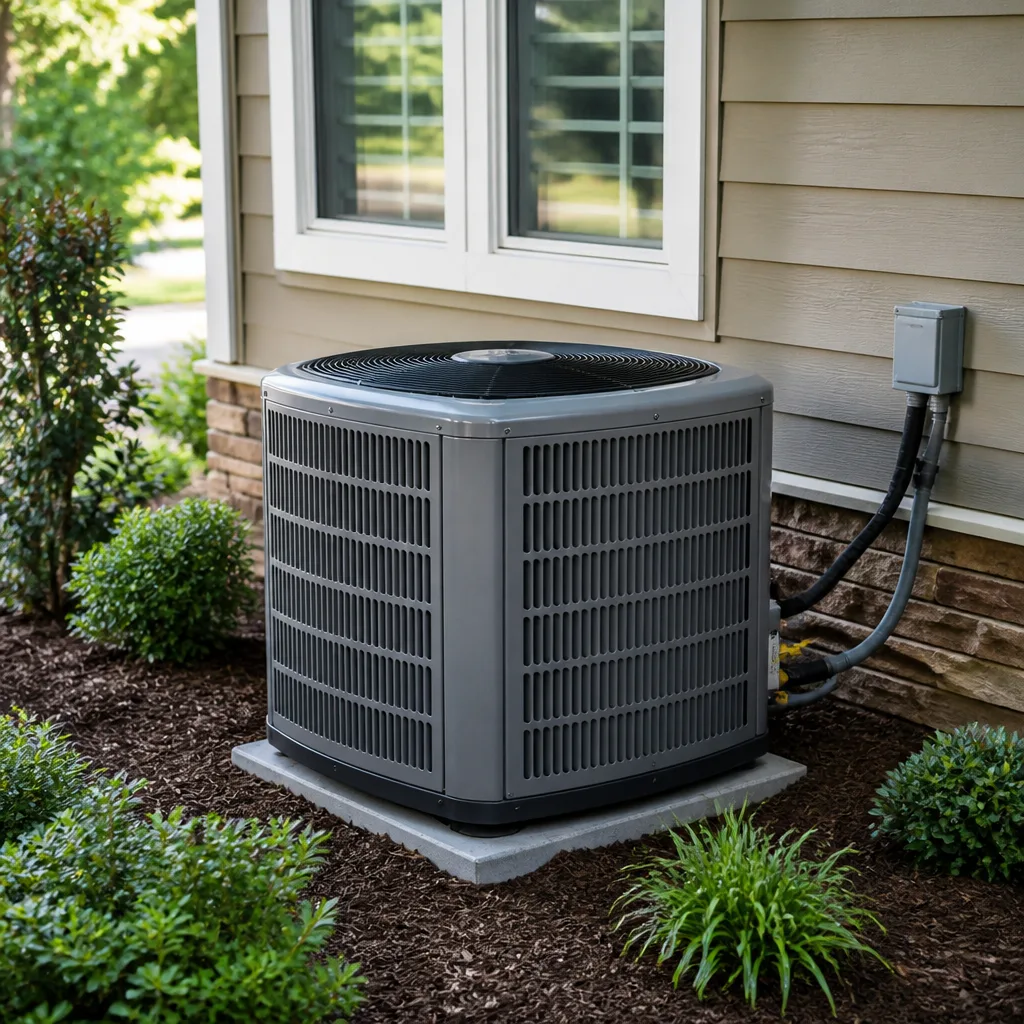 Trane
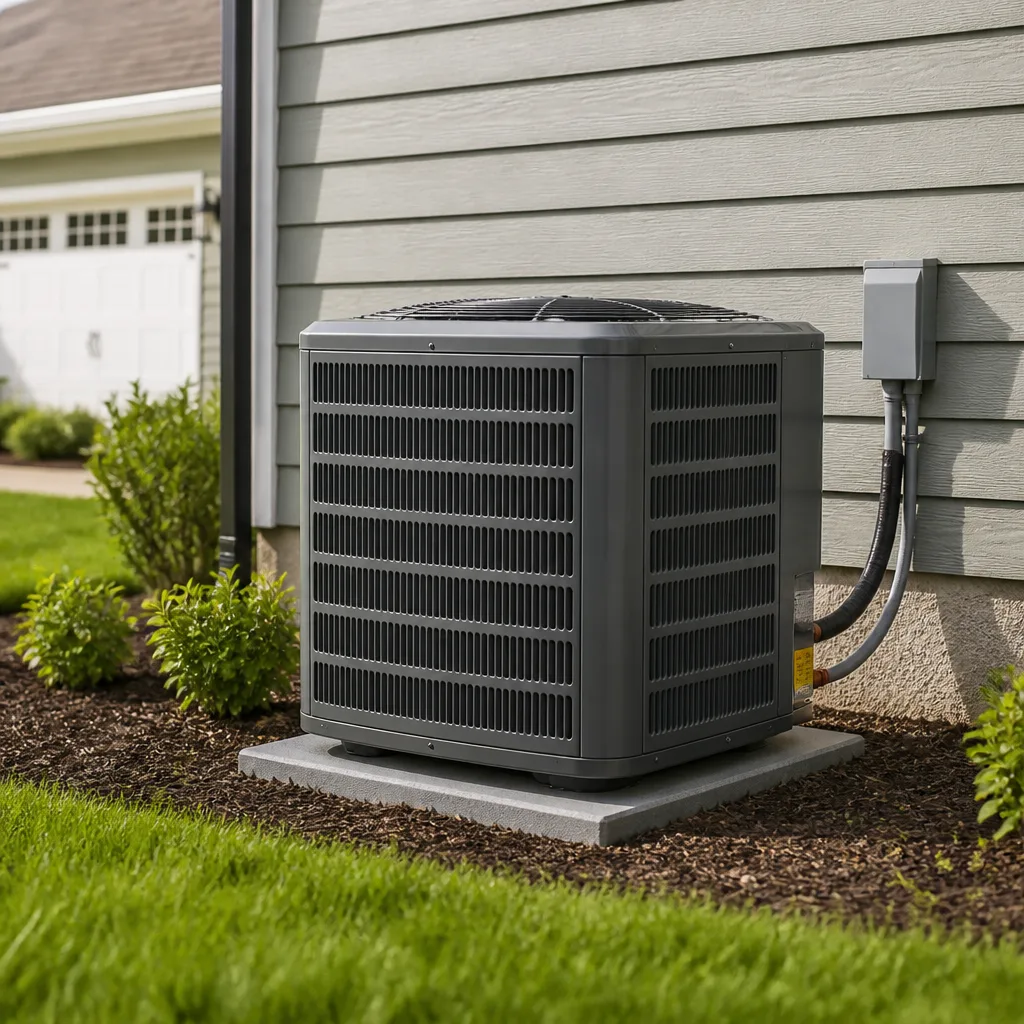 Goodman
Seasonal tune-up and full diagnostic on your Carrier, Trane, or Goodman system - readings shown to you before any repair is proposed
Diagnosis first, numbers second - you approve the repair price before a single part goes in.
Get your free estimateGoodman Capacitor Replacement: The Sandy Springs Owner’s Guide
We stock and install Goodman-compatible capacitors throughout Sandy Springs, with most replacements running between $180 and $340 installed. A failed capacitor is one of the most common AC problems we see in this part of Georgia, and our trucks carry the common Goodman values so we can usually finish the job on the first visit. Most customers call us after noticing the outdoor unit humming but the fan not spinning, or the AC running but blowing warm air. If your Goodman system is doing either of those things, the capacitor is the first part we check.
In Sandy Springs, the summer heat pushes capacitors harder than almost anything else in the system. When it’s 94 degrees and humid, your AC runs longer cycles, and a capacitor that’s been weakening for months finally gives out. We’ve replaced more of them in July and August than every other month combined, and the neighborhoods along the Chattahoochee, places like Riverside and Huntcliff, tend to see it first because those homes run their systems hard through the Georgia summer.
Which Goodman Models This Applies To
Goodman uses two main capacitor types across their residential lines. The GSX, GSZ, and GSC series condensing units, along with the AVPTC and CAPF air handlers, typically use a dual-run capacitor that serves both the compressor and the condenser fan motor. Most units built since 2010 fall into this group, and the most common values we see in Sandy Springs are 35/5, 40/5, and 45/5 microfarad dual-run capacitors. The label on the capacitor itself lists the exact microfarad rating, the voltage, and the tolerance. That label is the single most reliable identifier, but if it’s too faded to read, the compressor nameplate usually gives us the information we need to match it correctly.
The gotcha we run into regularly: some older Goodman units from the mid-2000s, especially GSC13 and GSH13 models, use two separate capacitors instead of one dual-run. A homeowner who orders a generic dual-run based on a YouTube video will end up with the wrong part. We carry separate capacitors for those older designs, along with the dual-run values, on every truck heading into Sandy Springs. On the OEM versus aftermarket question: Goodman-branded capacitors are simply the same parts packaged under the Goodman label. American manufacturers like AmRad, Titan, and Genteq make the capacitors you’ll find under many OEM labels, and our stocked inventory uses those same US-made components rather than import-only parts with looser tolerances. You get the same electrical performance with our truck stock, and the 365-Day Done Right Promise applies either way.
Styles & brands we work with
Signs Your Goodman Capacitor Replacement Is Failing
- The outdoor fan isn’t spinning, but you hear a hum. The capacitor provides the electrical kick to start the fan motor. When it’s dead, the motor just sits there and hums, drawing current without turning. Turn the system off immediately to keep the motor from overheating.
- The compressor hard-starts or trips the breaker. An aging capacitor can’t hold enough charge to give the compressor a clean start, so the compressor repeatedly tries and fails, eventually tripping the breaker. Each failed start adds wear to the compressor itself, which is a much more expensive part than the capacitor.
- The fan spins, but only if you push it with a stick. That’s a classic weak-capacitor behavior. The capacitor’s job in this system is measured in torque-force, not just voltage, and a weak one delivers a soft start but not enough to spin the fan from a standstill. This is also a good way to lose a finger, so we don’t recommend the stick test as a habit.
- The capacitor’s top is bulging or the sides look swollen. Goodman capacitors from the 2010s had a few production runs with vent-failures that let electrolyte gas build up. The case expands visibly before it fails completely. If you can see the capacitor in your outdoor unit, and it looks like it swallowed something, it’s already dead or very close to it.
- Your energy bill climbs while cooling weakens. A failing capacitor doesn’t always die instantly. Sometimes it degrades over six to eight weeks, so the compressor runs inefficiently, and the system draws more current to deliver less cooling. In Sandy Springs, where we run AC from April through October, that slow-fade failure shows up as a higher Georgia Power bill before it shows up as a dead unit.
See the difference
 Before
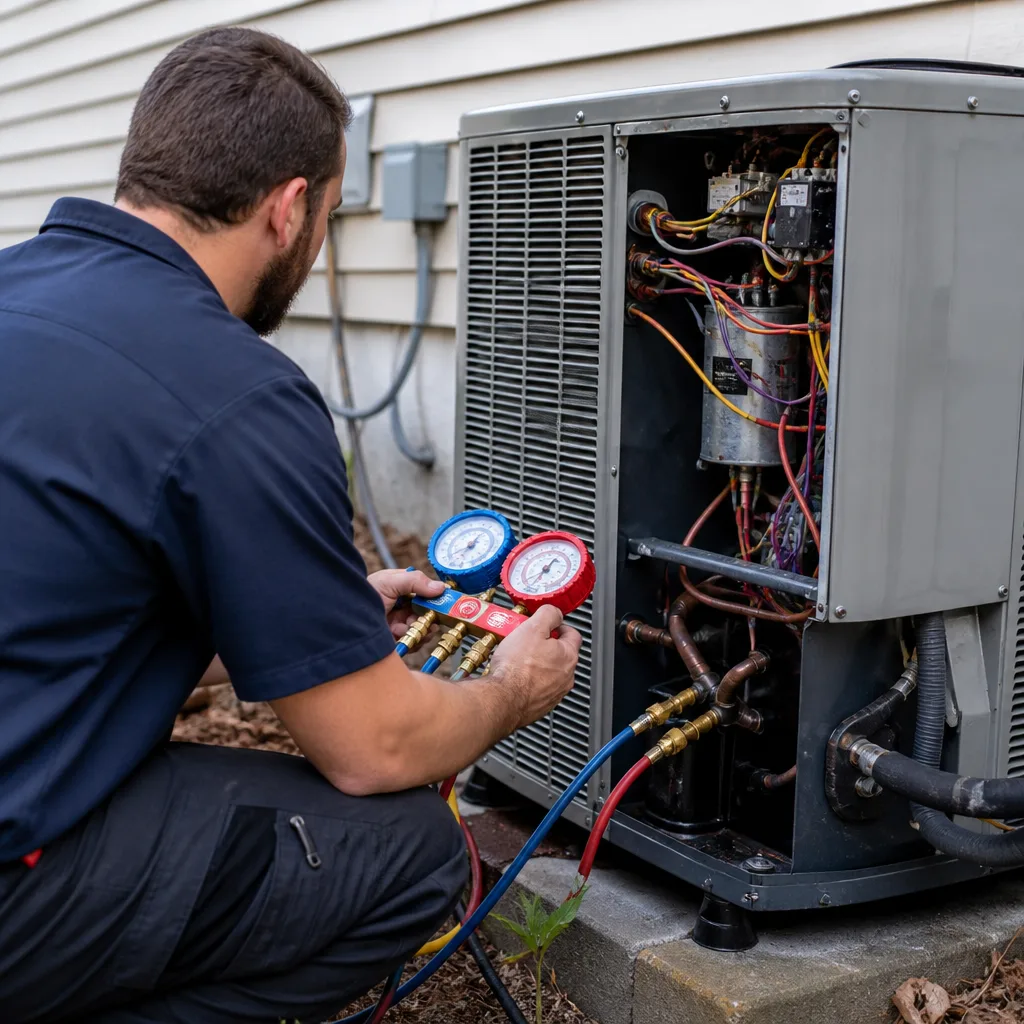 After
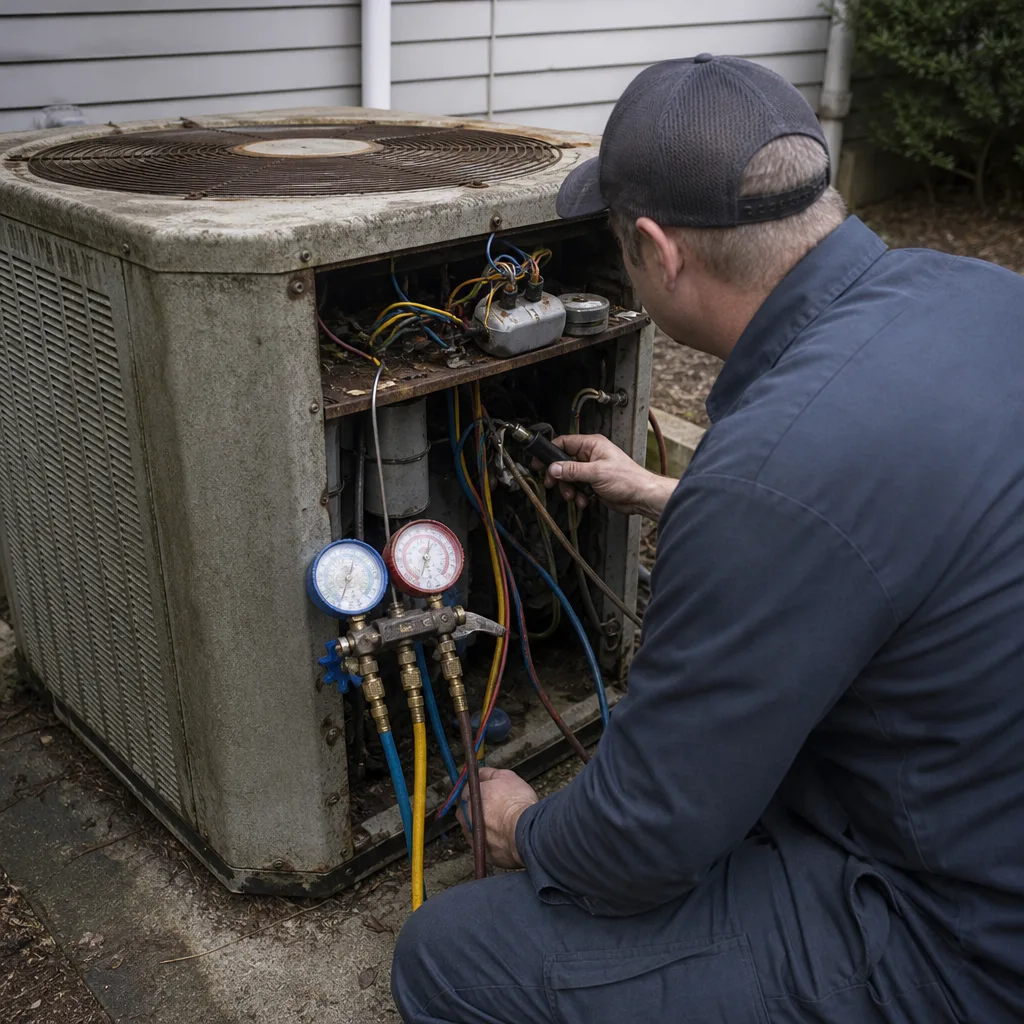 Before
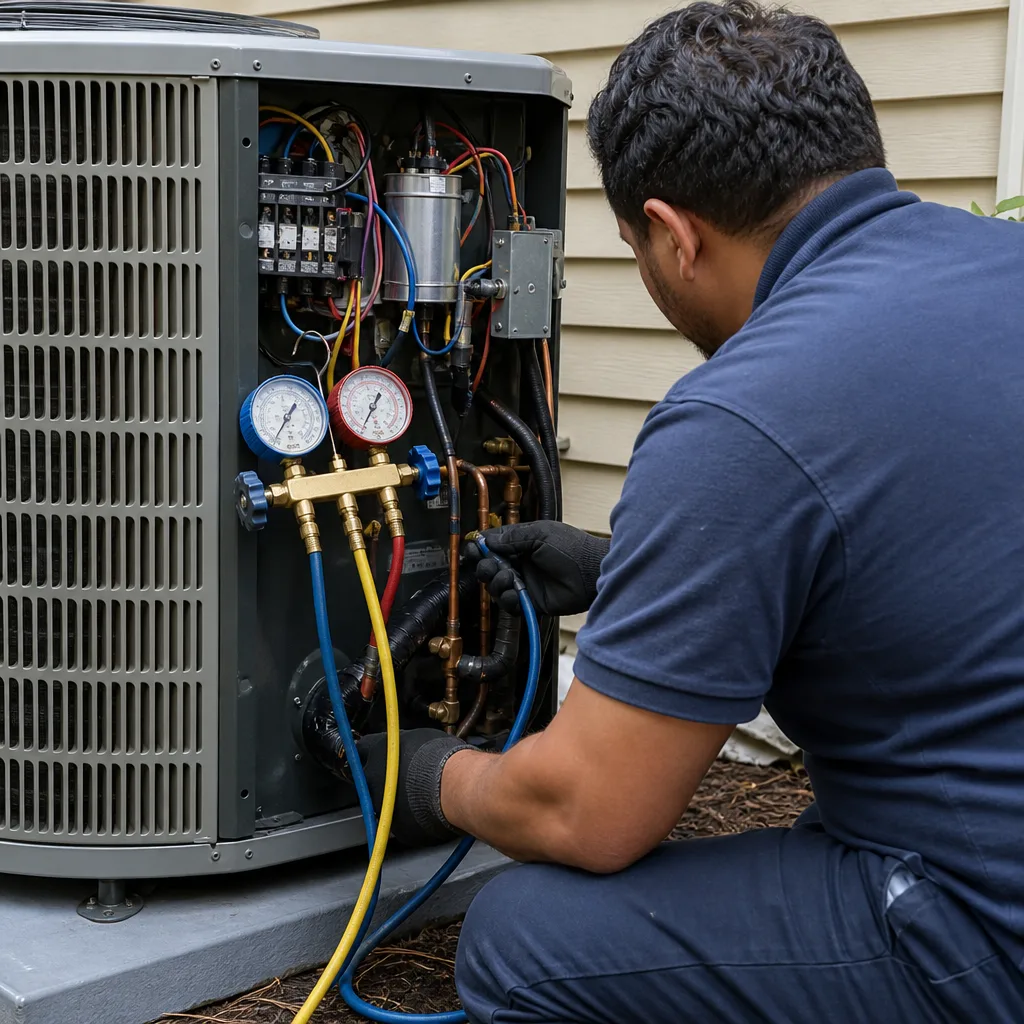 After
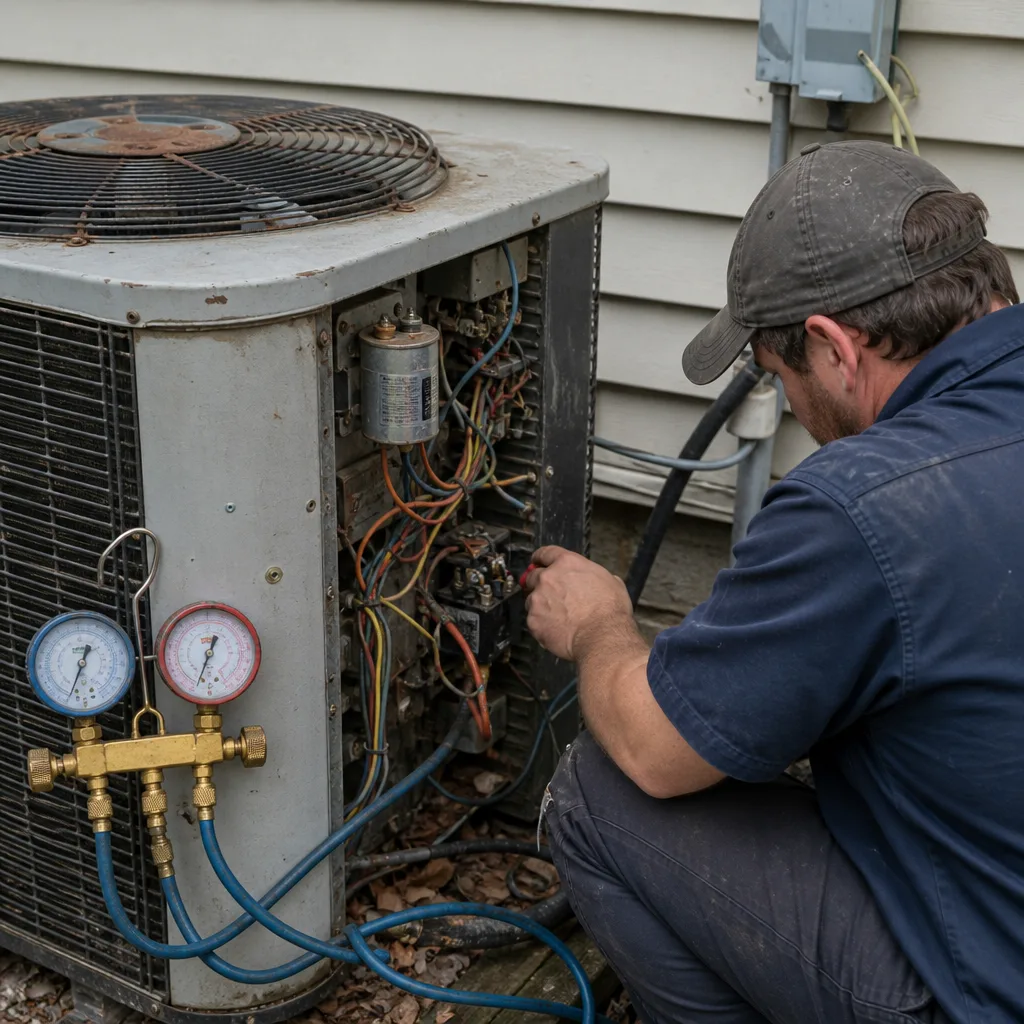 Before
 After
Replacement Cost & What’s Included
For Goodman capacitor replacement in Sandy Springs, you’re looking at $180 to $340 installed. The capacitor itself is a $25 to $70 part depending on the microfarad value and whether it’s a standard or a plus-rated design, and the labor is the larger share of the line. The range exists because some Goodman units mount the capacitor in a bracket behind the contactor, which takes a bit more time to access safely, and older units with separate run and start capacitors can require two parts instead of one. Either way, you get a written price before any work starts, so the number never changes halfway through the job.
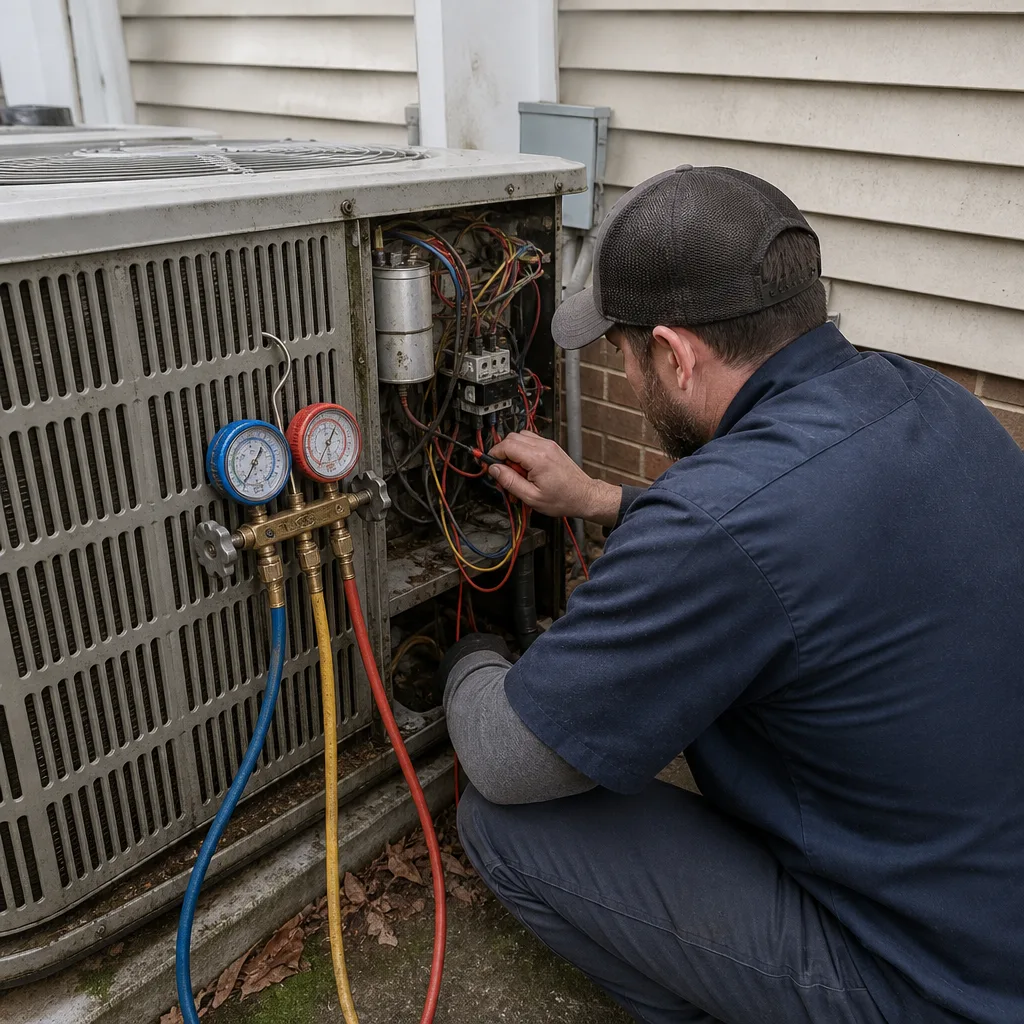
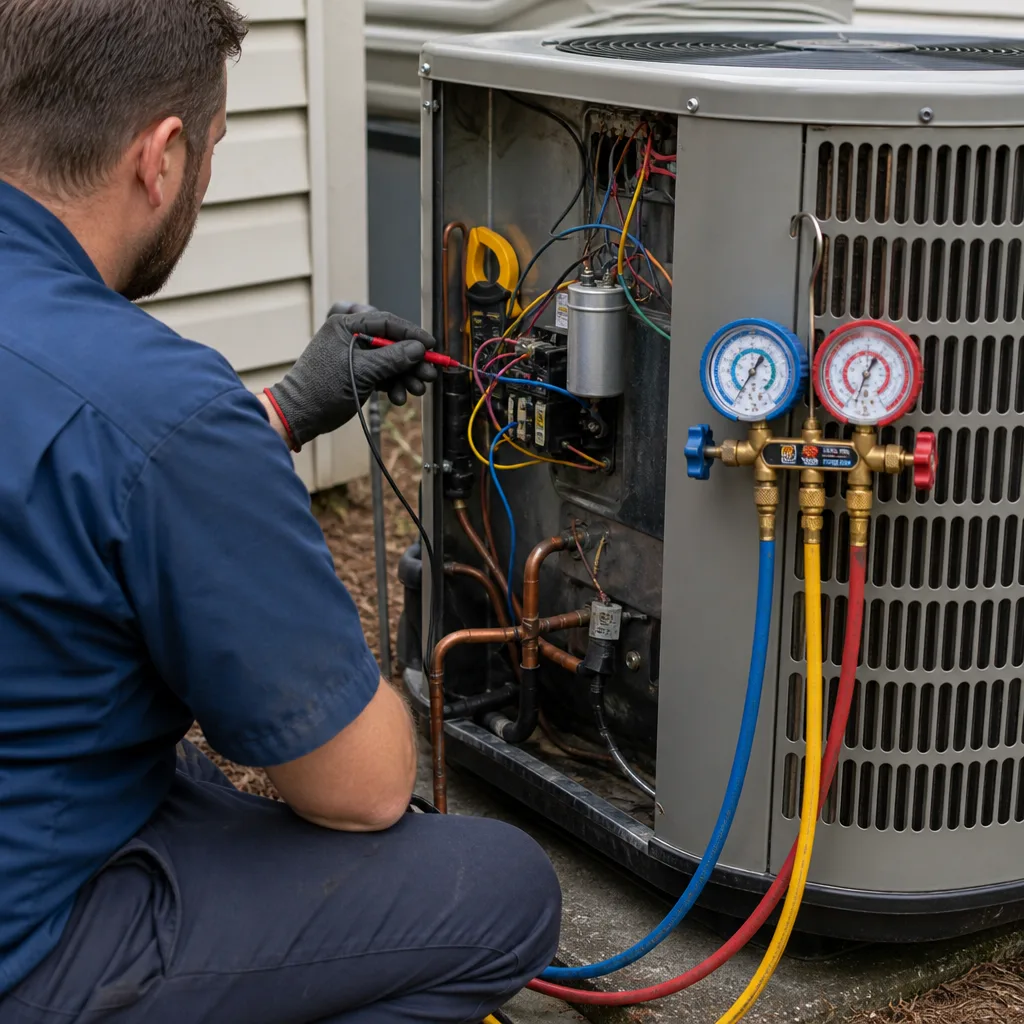
Every capacitor replacement includes a reading of the removed part so you can see exactly what failed, and a new capacitor matched to the compressor and fan specs on your Goodman nameplate, not just a same-value guess. The work is backed by the full 365-Day Done Right Promise, which means if the part fails or the work isn’t right, we make it right. We also visually check the contactor and fan motor while we’re in the unit, because a failing contactor will often kill a new capacitor within a season, and no one wants to pay twice.
DIY or Call Us?
There’s one safe thing you can do before calling, and it’s purely observational. Turn your thermostat to cool, then go outside and listen to the condensing unit. If it hums but the fan isn’t turning, shut the system off at the thermostat and leave it off. That telling hum is the sound of the motor starving for a start, and running the system in that state for more than a few minutes can damage the fan motor or the compressor. What you should not do is open the panel and start swapping parts. Capacitors store a charge even after the power is off, and the voltage inside a Goodman condensing unit at full charge is enough to cause serious injury. Replacing a capacitor requires discharging the stored energy safely, testing with a meter, and verifying the new part’s microfarad value. That’s a job for a trained, background-checked pro with the right equipment, and that’s what we send to every Sandy Springs home. Call (229) 490-2049 if your system is humming, warm, or tripping the breaker. Tell me what the house is doing, and we’ll figure out the rest from there.
FAQs
A Goodman capacitor in Sandy Springs typically lasts 5 to 10 years, but Georgia heat shortens that window because longer run cycles put more stress on the dielectric material inside the part. Units that run 10-plus hours a day in July and August tend to wear capacitors out faster than systems in milder climates.
No. A capacitor is a sealed component, and once it’s swollen, leaking, or electrically failed, the only fix is replacement with a new unit matched to your Goodman system’s voltage and microfarad ratings. Anyone who offers to “rebuild” a residential AC capacitor is not telling you the truth about what these parts do.
Most capacitor replacements take 30 to 45 minutes from opening the service panel to closing it back up. Older Goodman units with separate run and start capacitors and no existing access clearance can take up to an hour. We keep drop cloths laid around the unit and clean up before we leave, with a photo of the clean-up sent to you.
Yes. Our trucks run stocked with capacitor values across Carrier, Trane, and Lennox systems in addition to Goodman, and we match parts to the manufacturer’s nameplate specs for each one. We also stock capacitors for Goodman’s close cousins like Amana and Daikin, since their engineering shares common part designs.
If your Goodman capacitor has failed twice in one season, the capacitor was likely never the root problem. Repeated failures usually mean the contactor is arcing, the fan motor is pulling excessive current, or the compressor is nearing end-of-life. We test for all three before condemning the part, and we’ll show you the readings so you can make the call. For an exact quote, call (229) 490-2049, and we’ll get you a written price before any work starts.
Written by Luis Serrano, Owner, Meadowsweet Heating and Air Sandy Springs at Meadowsweet Heating and Air Sandy Springs, serving Sandy Springs and nearby areas.